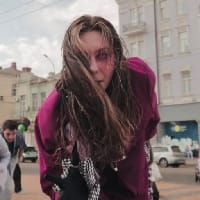
Dance is more than learning steps. It combines movement, rhythm, coordination, balance, strength, and concentration. Whether you enjoy hip-hop, contemporary, ballet, salsa, Bollywood dance, or social dancing, regular practice can become part of an active lifestyle.
For many dancers, progress is not about performing difficult moves as quickly as possible. It comes from building good habits, practising consistently, taking care of the body, and giving yourself enough time to improve.
A realistic dance routine should also be enjoyable. When practice becomes something you look forward to, it is easier to stay consistent.
Build a Strong Foundation Before Chasing Difficult Moves
Every dance style has its own technique, but basic movement skills are useful across many forms of dance. Posture, balance, coordination, mobility, and control can help dancers perform movements more safely and effectively.
Beginners sometimes want to learn advanced combinations immediately. It is understandable, especially after watching skilled dancers online. However, difficult movements often depend on basic skills that take time to develop.
Start by working on fundamentals such as:
Basic footwork and weight transfer.
Balance on one or both legs.
Controlled turns.
Rhythm and musical timing.
Core control.
Hip, ankle, and shoulder mobility.
Coordination between the upper and lower body.
A warm-up is also useful before demanding practice. It can include light movement followed by dynamic exercises that prepare the body for the planned activity.
The type of warm-up should match the session. A dancer preparing for jumps may need different preparation from someone practising slow contemporary choreography.
Do not treat stretching as a competition. Flexibility develops gradually, and forcing a position can cause injury. Controlled mobility work is generally more useful than trying to reach an extreme range immediately.
Good technique also matters more as movements become harder. If a step repeatedly causes discomfort or feels uncontrolled, slow it down and work on the underlying movement instead of simply repeating it at full speed.
Use Practice Time More Effectively
More practice is not always better practice. A focused 30-minute session can be more useful than a long session where concentration disappears.
Break choreography into smaller sections. Learn the footwork first, then add the arms, timing, direction, and performance details. Once each part feels familiar, combine them.
Video can be a useful learning tool. Recording yourself allows you to compare your movement with the instruction and notice details that may be difficult to feel while dancing.
A simple practice structure could look like this:
Spend a few minutes warming up.
Review basic technique.
Work on one difficult section.
Repeat the section slowly.
Increase speed when control improves.
Practise the full combination.
Finish with easier movement and recovery work.
Repetition matters, but quality matters too. If you are making the same mistake repeatedly, continuing at the same speed may simply reinforce it.
Music selection can also affect practice. Beginners may benefit from slower tracks while learning timing. As confidence improves, practising at normal speed can help develop performance ability.
For social dancers, listening to music away from the dance floor can also help. Becoming familiar with rhythm patterns can make it easier to recognise musical changes during practice.
Technology has changed how dancers learn. Online classes, short tutorials, dance challenges, and recorded performances make instruction easier to access. However, online content varies in quality. A popular video is not necessarily a substitute for qualified instruction, especially for physically demanding techniques.
Support Dance With Strength, Recovery, and Healthy Habits
Dance can involve repeated jumps, turns, changes of direction, and sustained activity. Strength and conditioning can support these demands.
Strength training does not need to make a dancer's routine complicated. Exercises can target the legs, hips, core, and upper body depending on the dance style and individual needs.
Useful training may include:
Squats and controlled leg exercises.
Lunges and split-stance movements.
Calf raises.
Core stability exercises.
Upper-body strength work.
Balance exercises.
Low-impact cardiovascular activity.
The right exercises depend on the dancer's experience, goals, and physical condition. A qualified coach or exercise professional can help create an appropriate programme.
Recovery is just as important. Muscles and other tissues need time to recover after demanding activity. Sleep also supports physical and mental function. Most adults need at least seven hours of sleep each night, although individual requirements differ.
Nutrition provides energy for dancing and supports normal recovery. A balanced diet can include carbohydrates, protein, fats, fruits, vegetables, and sufficient fluids. Dancers who train for long periods may need more energy than people with lower activity levels.
Hydration is also important, particularly during long rehearsals, performances, and sessions in warm environments.
Dancers should be careful with products marketed as performance shortcuts. For example, online searches for Kado Bar Sour & Nic Control 40K may appear in general lifestyle content, but nicotine products are not dance-performance tools. Nicotine can affect heart rate and blood pressure, and vaping exposes users to aerosol that may contain harmful substances.
People who do not use nicotine should not start because of trends, social influence, or perceived lifestyle benefits.
Turn Consistent Practice Into Long-Term Progress
Progress in dance can feel slow because improvement is not always visible from one session to the next. A movement may suddenly feel easier after weeks of practice, even though the change was happening gradually.
Set goals that are specific and realistic. Instead of saying you want to become a better dancer, choose a measurable target such as learning a particular routine, improving a turn, attending regular classes, or performing without forgetting the sequence.
Tracking practice can help. Keep a simple record of:
Practice dates.
Skills being worked on.
Choreography learned.
Areas that feel difficult.
Physical fatigue.
Progress over several weeks.
Do not compare your progress too closely with dancers who have years of experience. Social media often shows performances rather than the hours of training behind them.
Rest days should also be part of the plan. Persistent pain, unusual fatigue, or repeated injuries are signs that something may need to change. Pain that is severe, worsening, or persistent should be assessed by an appropriate healthcare professional.
The dance community also includes many different styles and cultures. Exploring new forms can improve musical awareness, movement vocabulary, and appreciation for different traditions.
Online searches for Kado Bar Flavors may appear alongside broader discussions about music, nightlife, and youth culture, but consumer trends should not be confused with dance training advice.
Similarly, Kado Bar vapes may appear in lifestyle-related online content. They are not necessary for learning, practising, or performing dance, and nicotine use should not be promoted as part of a healthy dance routine.
The best progress usually comes from a simple cycle: practise, recover, review, and practise again.
Conclusion
Dance fitness is built through consistent movement, good technique, sensible practice, strength, recovery, and patience. You do not need to master difficult choreography immediately to become a better dancer.
Focus on the basics, break challenging movements into smaller sections, and give your body enough time to recover. Use technology as a learning aid, but pay attention to the quality of instruction.
Most importantly, enjoy the process. Dance is both physical activity and a form of expression. Progress may take time, but every controlled step, improved rhythm, and completed routine adds to your skills.
A sustainable dance routine is not about practising perfectly every day. It is about creating habits that allow you to keep moving, learning, and enjoying dance for the long term.