When travelers think of Azerbaijan, the modern flame towers of Baku or the lush green mountains of Qabala often come to mind. However, tucked away in the southwestern corner lies one of the Caucasus region's most fascinating secrets: Nakhchivan.
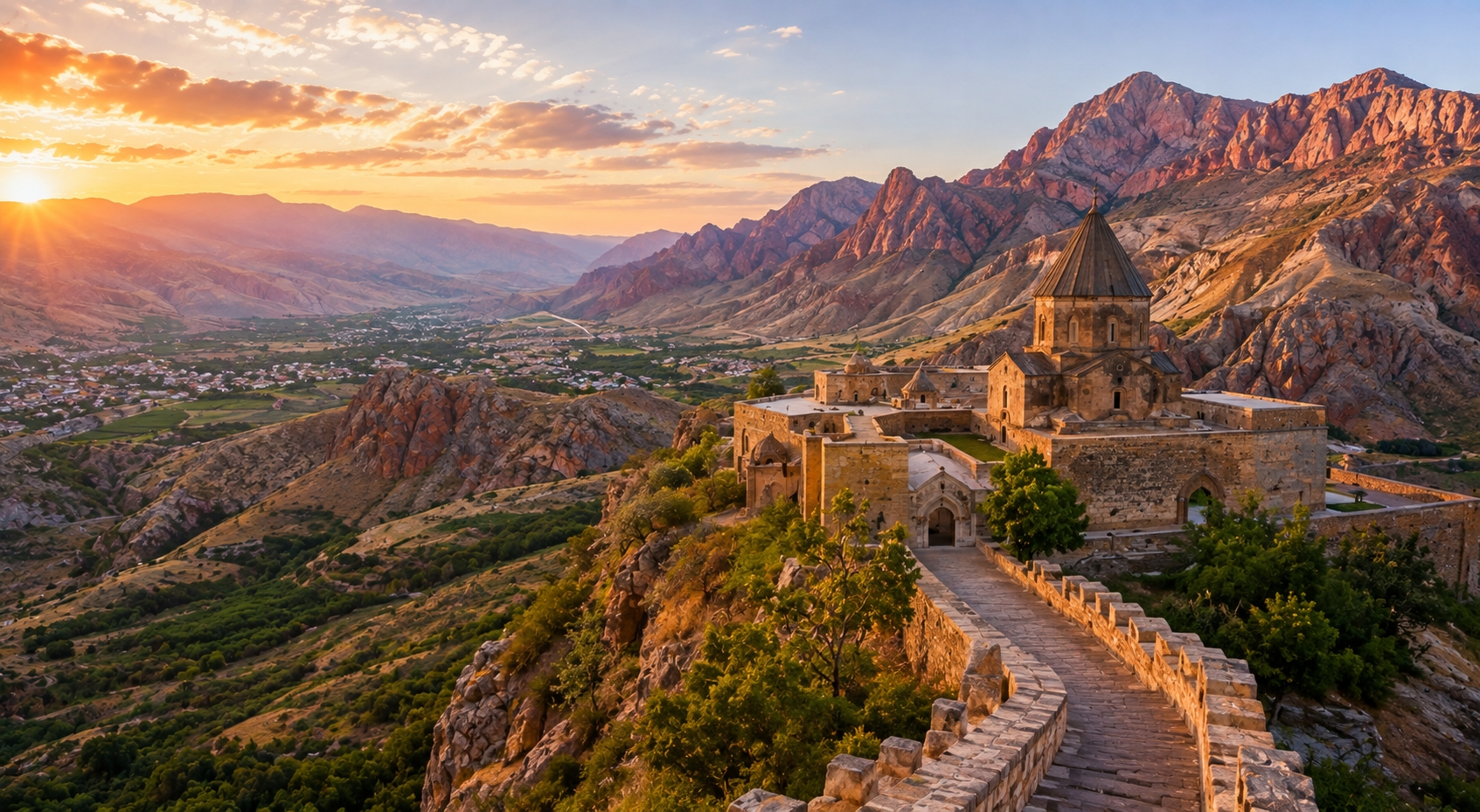
As an autonomous exclave separated from mainland Azerbaijan, Nakhchivan is a land of dramatic contrast. It blends ancient legends, dramatic mountainous landscapes, historical fortresses, and therapeutic salt caves. If you are looking for an off-the-beaten-path destination rich in history and natural beauty, Nakhchivan deserves a top spot on your travel bucket list.
What Makes Nakhchivan So Unique?
Nakhchivan is unique both geographically and culturally. Enclosed between Armenia, Iran, and Turkey, this region has been a crucial crossroads of trade and civilization for thousands of years.
According to local lore, Nakhchivan was founded after the Great Flood, with legends claiming that Noah's Ark landed nearby and that Noah himself spent his final days here. Beyond its rich mythology, Nakhchivan offers clean, quiet towns, dramatic mountain peaks, and warm local hospitality.
Top Ancient Sites to Visit in Nakhchivan
Nakhchivan is home to architectural marvels that date back hundreds of years, reflecting Islamic, Seljuk, and ancient Caucasian heritage.
1. Momine Khatun Mausoleum
Located in the heart of Nakhchivan City, the Momine Khatun Mausoleum is an architectural masterpiece. Built in 1186 by the famous architect Ajami Nakhchivani, this 25-meter-high decagonal brick tower was erected in honor of Momine Khatun, wife of a local ruler. The intricate geometric patterns and turquoise tile work demonstrate the grand craft of medieval Islamic architecture.
2. Alinja Castle: The "Machu Picchu" of Azerbaijan
Perched dramatically on top of a jagged rocky cliff, Alinja Castle (Alinjagala) is one of the most breathtaking fortresses in the region. Dating back to the 6th century, it famously held out against the armies of Timur (Tamerlane) for 14 years. Visitors can climb the stone steps to the summit for panoramic views of the surrounding valleys.
3. Noah’s Mausoleum
Rebuilt on historical foundations, Noah’s Mausoleum is an iconic pilgrimage site in Nakhchivan City. Whether you follow the biblical and Quranic legends or simply appreciate historic sanctuaries, visiting this mausoleum offers a deep glimpse into local tradition and sacred folklore.
4. Ashabi-Kahf Cave Sanctuary
Located in a narrow mountain gorge, Ashabi-Kahf ("The Companions of the Cave") is a natural cave complex and ancient holy site mentioned in Islamic tradition. Pilgrims and tourists visit from across the world to walk through the canyon walls and experience the quiet spirituality of this natural haven.
Unique Natural Landscapes and Healing Springs
Nakhchivan's environment is strikingly varied, featuring sharp rock formations, mineral waters, and sub-alpine meadows.
1. Ilandag (Snake Mountain)
Standing tall with a distinct cleft summit, Ilandag (which translates to "Snake Mountain") dominates Nakhchivan's landscape. Local legend says the gap in the peak was created when Noah’s Ark sliced through the summit during the Great Flood. It provides a striking backdrop for photographers and nature lovers.
2. Duzdag Salt Mountain and Caves
If you suffer from respiratory issues or simply want a unique wellness experience, visit Duzdag Salt Mine. Located inside a mountain of pure salt, Duzdag features underground tunnels turned into a medical resort. The subterranean air is naturally rich in salt ions, offering relaxation and health benefits for asthma and allergy sufferers.
3. Batabat Lake and Floating Island
For cooler mountain air and lush green greenery, head to the Shahbuz region to visit Batabat Lake. Situated at an altitude of over 2,400 meters, this alpine lake is famous for its natural floating peat island that slowly drifts across the surface of the water.
Practical Travel Tips for Visiting Nakhchivan
Getting There: You can easily reach Nakhchivan via short domestic flights from Baku’s Heydar Aliyev International Airport or by land via the border crossing with Turkey (near Igdir).
Best Time to Visit: Spring (April to June) and Autumn (September to November) offer pleasant temperatures, perfect for outdoor exploration and hiking.
Local Delicacies: Don’t leave without trying Nakhchivan’s famous flatbreads, fresh mountain herbs, locally produced honey, and sweet apricots from the town of Ordubad.
Do You Need a Visa for Azerbaijan?
Before planning your trek to Nakhchivan, make sure your travel documents are in order. Most international visitors require a valid entry visa to explore Azerbaijan and its autonomous regions.
Applying for an e-Visa online is the fastest and most convenient way to secure your travel permit before departing. You can easily check if your passport is eligible for an electronic entry permit by viewing the all eligible country for Azerbaijan visa guide.
Why Choose Us for Your Azerbaijan Visa Application?
Navigating travel requirements should be simple and stress-free. Our dedicated team helps travelers around the world obtain their Azerbaijan visas quickly and securely.
Reliable Travel Visa Services: Our global approach has assisted numerous travelers in successfully obtaining their visas without hassle.
Round-the-Clock Assistance: Reach out to us 24/7, and our dedicated experts will respond within 72 hours to answer all your questions.
Experienced Visa Consultants: Receive expert guidance throughout the process to maximize the approval chances of your visa application.
Efficient Visa Application Process: Apply for your Azerbaijan travel visa in just minutes using our simplified online application form.
Start planning your adventure to the ancient land of Nakhchivan today and enjoy a smooth, hassle-free journey from start to finish!