Myanmar (formerly Burma) is a country steeped in rich traditions, golden pagodas, and stunning landscapes. Yet, to truly understand the heartbeat of its people, you must look beyond the grand temples and step into a local tea house. Myanmar's tea-house culture is not just about sipping a hot beverage; it is a vibrant social institution, a community hub, and a window into the daily lives of the locals.
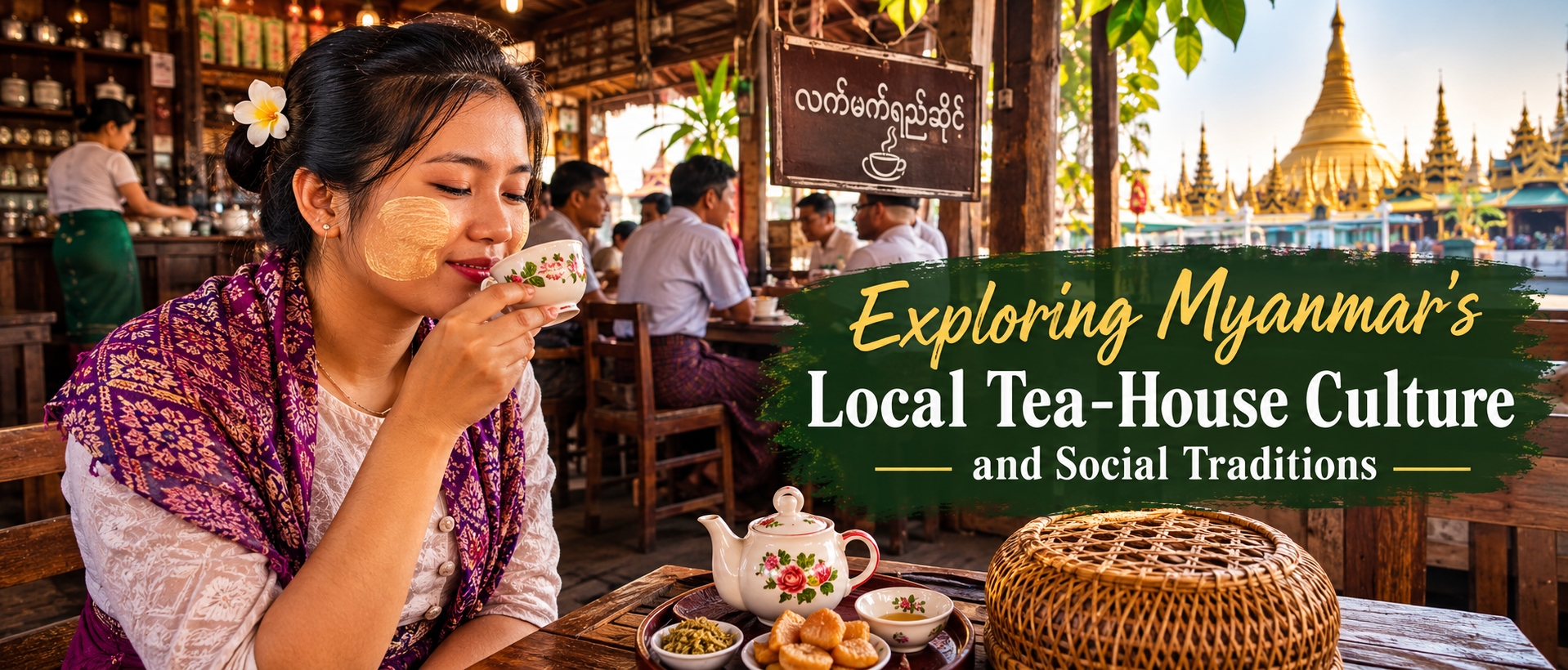
Whether you are a casual traveler, a cultural enthusiast, or a digital nomad, experiencing a traditional tea house is an essential part of any Myanmar itinerary. Here is a complete guide to understanding and enjoying this unique cultural phenomenon.
The Heartbeat of the Community: What is a Myanmar Tea House?
In major cities like Yangon and Mandalay, as well as small rural villages, tea houses serve as the central gathering point for the community. Much like the kopitiams of Singapore or the piazzas of Italy, a Myanmar tea house is where life happens.
Traditionally, these establishments feature low wooden or plastic stools clustered around small tables, often spilling out onto the sidewalks under makeshift awnings. The atmosphere is typically bustling, noisy, and wonderfully chaotic. You will hear the clinking of cups, the lively chatter of locals debating politics or football, and the shouts of waiters weaving through the crowds.
The Role of Tea Houses in Daily Life
Before the advent of widespread internet and smartphones, tea houses were the original social networks of Myanmar. They served as informal newsrooms where people traded rumors, discussed current events, and networked for business. Even today, they remain vital social spaces.
While historically dominated by older men drinking tea and smoking cheroots, modern tea houses have evolved. Today, you will see a diverse cross-section of society: students grabbing a snack before tuition, office workers enjoying a quick lunch, and multi-generational families spending a Sunday morning together. If you want to immerse yourself in this authentic local vibe, applying for your Myanmar Tourist eVisa is the perfect first step toward planning an unforgettable trip.
The Art of Myanmar Tea: How to Order Like a Local
The star of the show in any tea house is, of course, the tea itself. Myanmar's signature sweet tea, known as Laphet Yay, is a robust black tea heavily infused with sweetened condensed milk and evaporated milk. It is rich, strong, and highly addictive.
When you sit down, a thermos of complimentary plain green tea (yay nway gyan) will often be placed on your table to cleanse the palate. But ordering the sweet tea is where you can customize your experience. Here are a few common ways to order:
Poun Hman (Normal/Standard): A perfectly balanced cup of strong tea with a generous amount of condensed milk. It is quite sweet by Western standards.
Cho Saint (Less Sweet): A creamier version with more evaporated milk and less condensed milk, toning down the sweetness.
Kya Saint (Strong): An extra strong brew of tea for those who need a serious caffeine kick, balanced with milk.
Pan Cho (No Sugar/Condensed Milk Only): For those who prefer a less sugary experience, relying only on the milk for flavor.
Culinary Delights: Traditional Snacks (Mont) to Try
A visit to a Myanmar tea house is never complete without sampling the food. As soon as you sit down, waiters will often bring an array of small plates to your table, ranging from fried snacks to baked goods. You only pay for what you eat.
Must-Try Tea House Snacks:
Samosas and E Kya Kway: Deep-fried samosas filled with potato and spices, or e kya kway (fried dough sticks, similar to Chinese youtiao), which are perfect for dipping into your sweet tea.
Baozi (Steamed Buns): Fluffy steamed buns filled with savory pork or sweet red bean paste.
Mohinga: Often considered Myanmar's national dish, this hearty rice noodle and fish soup is a breakfast staple commonly sold at or near tea houses.
Sanwin Makin: A delicious, dense semolina cake flavored with coconut and topped with poppy seeds.
Lahpet: The Unique Edible Tea of Myanmar
Myanmar is one of the few countries in the world where tea is not only drunk but eaten. Lahpet (fermented or pickled tea leaves) is a cornerstone of the nation's culinary and social traditions.
Lahpet thoke (tea leaf salad) is a ubiquitous dish. The fermented tea leaves are mixed with crispy fried garlic, roasted peanuts, toasted sesame seeds, fried beans, and a squeeze of lime. It offers an incredible explosion of flavors—tart, savory, bitter, and crunchy all at once.
The Cultural Significance of Lahpet
Serving lahpet is a sign of hospitality, generosity, and respect. It is traditionally offered at important ceremonies, such as weddings, religious donations, and novice monk initiations (shinbyu). In the past, sharing a dish of lahpet was even used as a symbolic peace offering to resolve disputes.
Planning Your Cultural Journey: Essential Travel Information
To experience the authentic charm of Myanmar's tea-house culture, you need to get there first. Preparing your travel documentation is the most crucial step of your journey.
Securing Your Myanmar Tourist Visa
For most international travelers, including Indian citizens, a visa is required to enter Myanmar. Fortunately, the process has been streamlined for tourism. The most convenient option for a short leisure trip is the Myanmar Tourist eVisa.
Validity and Stay: The Tourist eVisa allows a single entry and a maximum stay of 28 days.
Application Process: The process is fully online. You need a passport valid for at least six months, a recent digital photograph, confirmed return flight tickets, and proof of hotel accommodation.
Processing Time: Standard processing usually takes about 3 working days.
Why Choose Us for Your eVisa Services?
Navigating visa requirements can sometimes be stressful, but it doesn't have to be. If you are applying for your eVisa through our streamlined platform, here is why our service stands out:
Reliable Travel Visa Services: Our global approach has assisted numerous travelers in obtaining their Visa.
Round-the-Clock Assistance: Reach out to us 24/7, and our experts will respond within 72 hours.
Experienced Visa Consultants: Receive expert guidance to ensure the acceptance of your application.
Efficient Visa Application Process: Apply for your Visa in minutes with our simplified form.
Conclusion
Myanmar’s tea-house culture offers a rare, unfiltered look into the soul of the country. It is a place where culinary heritage meets community bonding. By taking the time to sit on a low stool, sip a cup of Laphet Yay, and share a plate of tea leaf salad, you are doing more than just eating—you are participating in a cherished Myanmar tradition. Ensure your travel documents are in order, secure your tourist visa, and get ready to immerse yourself in the warm and welcoming culture of Myanmar.