
Dental implants are an effective tooth replacement option for individuals who have lost one or more teeth and want to restore their smile and oral function. Patients researching زراعة الأسنان في دبي often want to understand how dentists decide whether implant treatment is necessary and which factors influence the recommendation. Dentists evaluate several aspects of oral health, including missing teeth, jawbone condition, gum health, bite alignment, and medical history. This detailed assessment helps determine whether dental implants are appropriate or whether alternative treatments may provide better results.
Evaluating Missing Teeth and Dental Damage:
The first step involves examining the patient's teeth and identifying areas affected by tooth loss or severe dental damage.
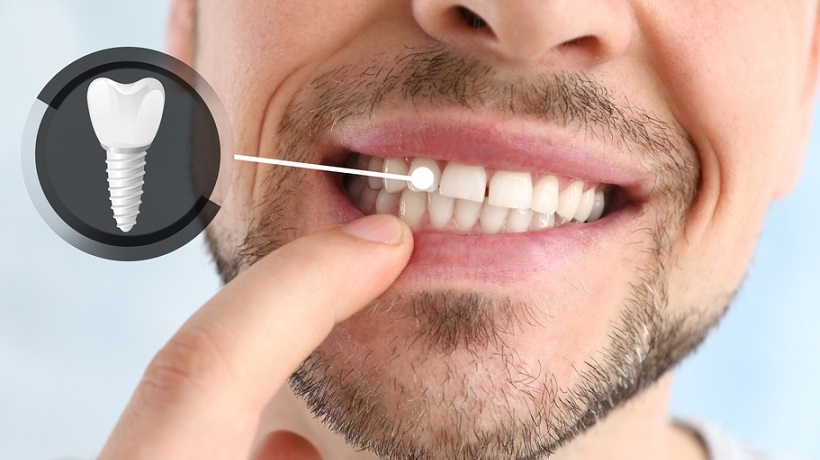
Dentists may recommend considering implants when:
One or more teeth are missing.
A tooth is severely damaged and cannot be restored.
Existing dental restorations are no longer suitable.
Missing teeth affect chewing or speaking.
Several teeth need replacement.
The dentist also considers whether preserving an existing natural tooth is possible before recommending extraction and implant placement.
Examining Jawbone Health:
Jawbone condition is one of the most important factors in determining implant suitability.
Natural tooth roots stimulate the jawbone during chewing. After tooth loss, the bone in that area may gradually lose volume and density.
Dentists use dental imaging to evaluate the available bone and determine whether it can support an implant.
If bone volume is insufficient, additional procedures such as bone grafting may be considered before implant placement.
Checking Gum Health:
Healthy gums provide essential support for the tissues surrounding dental implants.
During the examination, dentists look for signs of gum inflammation, infection, bleeding, and periodontal disease.
Active gum disease generally needs to be treated before implant surgery because inflammation can increase the risk of complications.
Patients should also demonstrate good oral hygiene habits to help maintain healthy tissues after treatment.
Assessing Bite Alignment and Chewing Function:
Dentists examine how the upper and lower teeth meet when patients bite and chew.
Missing teeth can affect bite balance and place additional pressure on surrounding teeth.
The assessment may help identify:
Uneven chewing pressure.
Changes in bite alignment.
Movement of neighbouring teeth.
Difficulty biting certain foods.
Excessive pressure on remaining teeth.
Dental implants may help restore balanced chewing function when appropriately positioned and designed.
Reviewing Medical History and Overall Health:
A patient's general health can influence implant treatment planning and healing.
Dentists usually review medical conditions, medications, previous surgeries, and lifestyle habits.
Important considerations may include:
Diabetes and blood sugar management.
Smoking and tobacco use.
Conditions affecting immune function.
Medications that influence bone health.
Previous radiation treatment involving the jaw.
Conditions that may affect wound healing.
Some patients may require medical clearance or additional precautions before proceeding.
Using Dental Imaging for Treatment Planning:
Dental imaging helps dentists understand the patient's oral structures and determine suitable implant positioning.
Depending on individual needs, the assessment may involve conventional dental X-rays or three-dimensional cone-beam computed tomography (CBCT).
These images can help evaluate jawbone dimensions, identify important anatomical structures, and plan the implant position.
Imaging also helps determine whether additional procedures may be necessary.
Considering Alternatives to Dental Implants:
Dental implants are not the only solution for missing teeth. Dentists may also discuss dental bridges and removable dentures.
The most suitable option depends on the number of missing teeth, surrounding tooth condition, jawbone health, personal preferences, and treatment requirements.
A dentist should explain the advantages, limitations, costs, and maintenance needs of each available option.
Frequently Asked Questions:
When do dentists recommend dental implants?
Dentists may recommend implants when one or more teeth are missing or cannot be restored, provided the patient's oral and general health support treatment.
Do dentists need X-rays before dental implant surgery?
Dental imaging is commonly used to evaluate jawbone condition and plan implant placement. Three-dimensional imaging may be recommended when additional anatomical detail is needed.
Can dentists recommend implants if there is bone loss?
Yes, some patients with bone loss may still be candidates. Additional procedures, such as bone grafting, may be considered.
Can gum disease prevent dental implant treatment?
Active gum disease generally needs to be managed before implant placement to reduce the risk of infection and complications.
Are dental implants always better than dental bridges?
No. Both options have advantages and limitations. The best choice depends on individual dental conditions and treatment goals.
Conclusion:
Dentists determine the need for dental implants through a comprehensive examination of missing teeth, jawbone structure, gum health, bite alignment, and general medical history. Dental imaging and personalized treatment planning help establish whether implants are suitable and identify possible alternatives. A professional assessment ensures that patients understand their options and receive a tooth replacement recommendation based on their individual needs.






