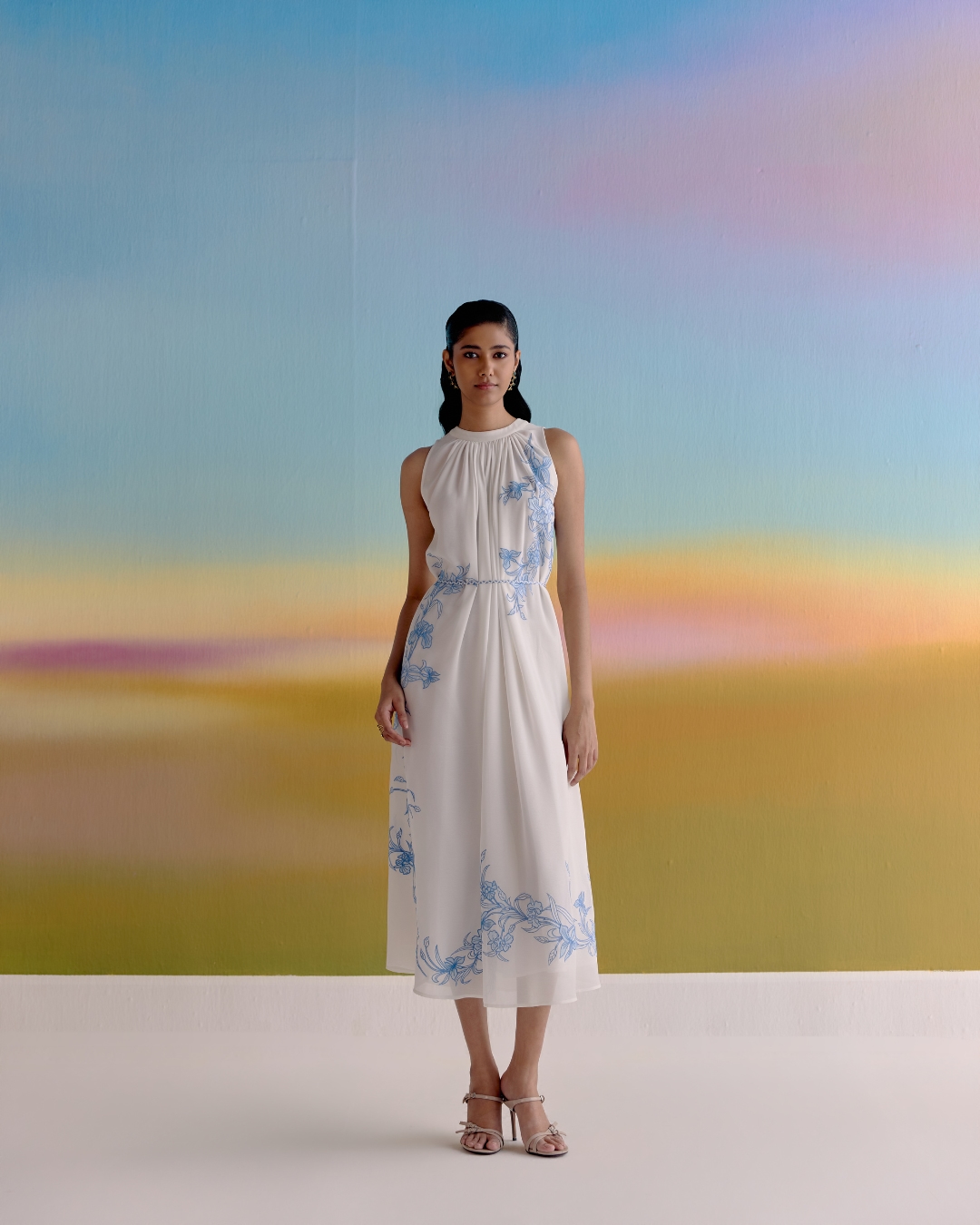
The Problem: Why Finding the Right Dress Feels So Hard
You open your wardrobe before a wedding, a dinner, or a weekend getaway, and nothing feels right. One dress clings in the wrong places. Another looks lovely on the hanger but swallows your frame. A third is so heavy or stiff that you spend the evening adjusting it.
Many shoppers blame their bodies, but the real culprit is usually the silhouette. Choosing a cut that works with your proportions matters more than chasing trends or sizes. This is why the a-line long dress has stayed a wardrobe staple for decades. It’s forgiving, elegant, and versatile, but only if you know what to look for.
Understanding the A-Line Silhouette
An a-line long dress is fitted at the shoulders and bodice, then gradually widens toward the hem, forming a shape that resembles a capital letter “A.” Unlike a mermaid or sheath cut, it doesn’t cling to the hips or thighs. Unlike a full ball gown, it doesn’t add bulk.
Why this shape works for so many people:
It defines the waist without squeezing it. The narrowest point sits at the natural waist or just above, creating a balanced line.
It skims over the hips and thighs. The flared skirt falls away from the body, offering comfort and movement.
It balances proportions. For pear shapes, it draws attention upward. For athletic or rectangular builds, it adds soft curves. For petite frames, the vertical line elongates the body.
It moves well. Walking, dancing, and sitting are all easy in this cut.
Fabric changes everything. Chiffon and georgette create a floaty, romantic movement. Crepe and satin give a smoother, more structured drape. Cotton blends and linen suit casual daytime wear, while heavier fabrics like brocade or velvet work for cooler months and formal events.
A Practical Selection Framework
Instead of buying on impulse, run any a-line long dress through these five checks.
1. Neckline
Match it to your upper body and comfort level. A V-neck lengthens the neck and suits broader shoulders. A boat or square neckline balances narrower shoulders. A halter or off-shoulder style shows off the collarbone and arms.
2. Waist placement
An empire waist (just under the bust) suits those who want to emphasize the upper body and skim the midsection. A natural waist works for most people. A dropped waist is trendier but can shorten the torso on petite frames.
3. Fabric weight and drape
Hold the fabric and watch how it falls. Lightweight fabrics move beautifully but may need lining. Structured fabrics hold their shape but can feel stiff in warm weather. Match the material to the climate and the event.
4. Length and hem
A true long dress should fall between mid-calf and the ankle, or reach the floor for formal occasions. If you’re petite, aim for a hem that hits just above the ankle so the dress doesn’t overwhelm you. If you plan to wear heels, check the length in the shoes you’ll actually wear.
5. Print and color
Solid, deep tones create a streamlined look. Vertical stripes elongate. Small to medium florals suit most body types, while very large prints can overwhelm petite frames. Darker colors are slimming, but a well-chosen bright shade can be just as flattering when the cut is right.
Example: One Dress, Three Occasions
Consider a single navy a-line long dress in a mid-weight crepe with a V-neckline and a natural waist.
For a daytime wedding: Pair it with block heels, a delicate pendant, and a light shawl. The clean lines look polished without feeling overdressed.
For a work dinner or event: Add a tailored blazer, pointed flats, and a structured handbag. The long hemline keeps it professional.
For a weekend outing: Swap the heels for white sneakers or sandals, add a denim jacket, and let the dress feel relaxed and effortless.
The same piece, styled three ways, shows why the a-line long dress is one of the best investments for a versatile wardrobe. A single well-chosen dress can replace several single-use outfits.
Trust and Buying Guidance: What to Check Before You Buy
Whether you’re shopping online or in a store, a few habits will save you from disappointment.
Read the size chart carefully. Measure your bust, waist, and hips, and compare them with the brand’s chart rather than assuming your usual size.
Check the fabric composition. Look for details on lining, stretch, and breathability. Natural and blended fibers often feel better in warm climates.
Look at the construction. Clean seams, a secure zipper, and a properly finished hem are signs of quality. If photos are available, zoom in.
Review the return and exchange policy. Fit can be unpredictable, so a clear policy is a sign of a trustworthy seller.
Read real customer reviews. Look for comments about fit, length, and fabric feel, especially from people with a similar height or build.
Consider alterations. A good tailor can adjust a hem or take in a bodice for a modest cost, turning a nearly perfect dress into a perfect one.
Finally, think in terms of cost per wear. A slightly higher-priced dress you wear a dozen times is a better value than a cheap one that stays in the closet.
Final Thoughts
The right dress shouldn’t make you work for confidence. A well-cut a-line long dress offers comfort, movement, and a flattering shape across body types, as long as you pay attention to neckline, waist placement, fabric, length, and print. Use the framework above, check quality before you buy, and choose pieces you can restyle again and again.
If you’re ready to explore options, AVLD offers a thoughtfully designed range of a-line long dresses built around these principles of fit, fabric, and everyday versatility. Browse at your own pace, compare styles against your checklist, and find the one that feels like yours.






