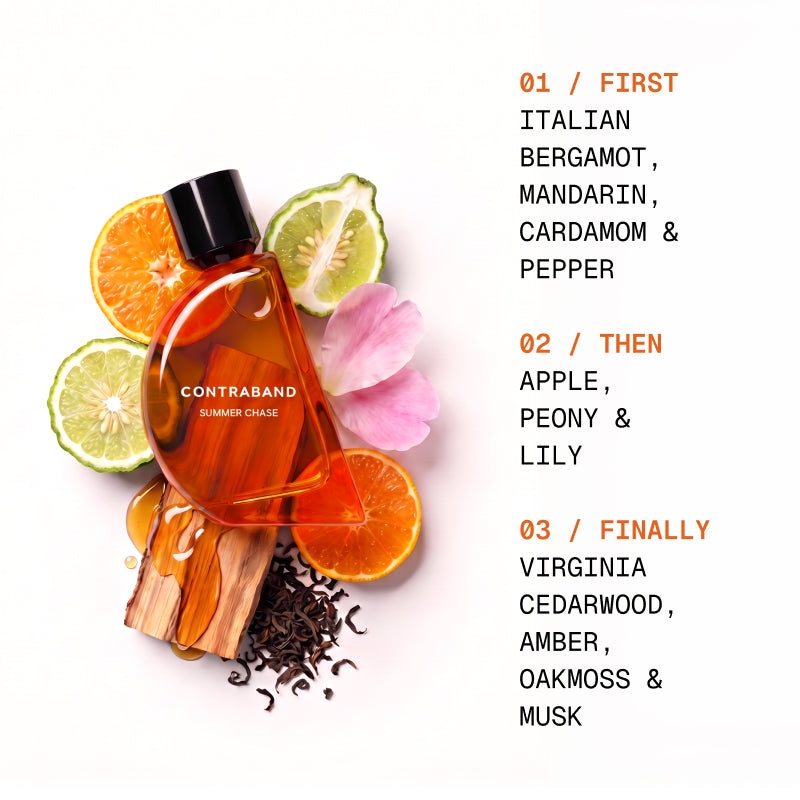
You've probably stood in front of a perfume counter, sprayed six cards, and walked away more confused than when you arrived. Every bottle smells "nice" for the first ten seconds. Then the scents blur together, your nose gives up, and you either leave empty-handed or buy whatever the sales assistant recommended.
If that sounds familiar, you're not alone. Choosing among the thousands of perfumes for women on the market is one of the most overwhelming shopping decisions, and it gets harder when you move into the luxury category, where prices are higher and the stakes feel bigger. A fragrance is deeply personal. It sits on your skin, travels with you through your day, and becomes part of how people remember you.
The good news is that picking a scent doesn't need to rely on luck. With a little understanding of how fragrances work and a simple selection process, you can find a perfume that feels like yours.
Why Choosing a Perfume Feels So Difficult
Most people shop for fragrance the way they shop for clothes: they judge it by first impression. But perfume doesn't work that way. A scent evolves over hours, and the version you smell on a paper strip in a department store is only the opening act.
Add to that the problem of nose fatigue. After smelling three or four fragrances in a row, your sense of smell stops registering nuance. Marketing adds another layer, with beautiful campaigns and celebrity names that tell you very little about what's actually in the bottle.
Understanding what's inside the bottle is the first step toward buying with confidence.
Understanding Perfume: The Basics Worth Knowing
Fragrance notes: the three-stage structure
Every perfume is built in layers, known as notes:
Top notes are what you smell first. They're light and bright (citrus, bergamot, pear, pink pepper) and fade within 15 to 30 minutes.
Heart notes form the core of the scent and emerge as the top notes settle. Florals like rose, jasmine, and peony, along with spices and fruits, usually live here.
Base notes are the long-lasting foundation: vanilla, amber, musk, sandalwood, patchouli, and oud. They can linger for hours and are what people remember most.
When you judge a perfume, wait for the heart and base to develop. That's the scent you'll actually be wearing.
Fragrance families
Perfumes are generally grouped into families, and knowing which one you gravitate toward narrows your options fast:
Floral: romantic and classic, from soft petals to rich white florals
Oriental/Amber: warm, sensual, and spiced, often with vanilla or resin
Woody: grounded and elegant, with sandalwood, cedar, or vetiver
Fresh/Citrus: clean, uplifting, and ideal for daytime
Gourmand: sweet and comforting, with notes like caramel, cocoa, or praline
Concentration matters
You'll see terms like Eau de Toilette, Eau de Parfum, and Parfum on bottles. These indicate how much fragrance oil the formula contains. Eau de Toilette (roughly 5 to 15 percent) is lighter and fades sooner. Eau de Parfum (15 to 20 percent) is the most popular balance of strength and longevity. Parfum or extrait (20 to 30 percent) is the most concentrated and long-lasting.
What makes a luxury perfume different?
A luxury perfume for women typically stands apart in a few ways: higher-quality raw materials (natural absolutes, rare florals, and ingredients like real oud or orris), more complex and layered compositions, stronger longevity and projection, and thoughtful craftsmanship in both the juice and the bottle. Price alone doesn't guarantee quality, but in the luxury tier you're generally paying for ingredient quality and artistry rather than just branding.
A Practical Framework for Choosing Your Scent
Use these five steps next time you shop.
1. Start with your preferences, not the bottle. Think about the scents you already love: a bakery, fresh linen, rain on soil, a particular candle. Those clues point toward the fragrance family that suits you.
2. Match the scent to the occasion. A crisp citrus or light floral works for the office. A rich amber or woody oriental suits evenings. Many women own two or three fragrances for different moods and seasons.
3. Limit your testing. Try no more than three scents per visit. Smell coffee beans or the inside of your elbow between sprays to reset your nose.
4. Test on skin, not paper. Body chemistry changes how a perfume smells. The same fragrance can turn sweeter on one person and sharper on another. Spray on your wrist and let it develop.
5. Wait at least four hours. Wear the sample through part of your day. Notice whether you still enjoy it when the base notes appear, and whether it gives you a headache or feels cloying.
Example: Putting the Framework to Work
Imagine Priya, a marketing professional who wants a signature scent. She loves the smell of fresh jasmine at her grandmother's home and tends to dislike overly sweet perfumes.
Following the framework, she identifies white florals as her starting point. Because she wants something for work and weekends, she looks for a luxury Eau de Parfum with a jasmine heart and a soft, musky or woody base rather than heavy vanilla. She tests two options on her skin, waits through the afternoon, and finds one that stays elegant and close, rather than overpowering. She buys it in a smaller size first, then upgrades once she knows it's a keeper.
The process took one afternoon, and she avoided the common mistake of buying on first impression.
Trust and Buying Guidance
A luxury purchase deserves a little caution. Keep these points in mind:
Buy from authorized or reputable sellers. Counterfeit fragrances are common, especially at suspiciously low prices. Check for batch codes, quality packaging, and clear seller credentials.
Request samples or discovery sets. Many houses offer travel sizes, so you can live with a scent before committing to a full bottle.
Check the ingredients and your sensitivities. If you have allergies or sensitive skin, review the ingredient list and patch test before regular use.
Store it properly. Heat, light, and humidity break down perfume. Keep bottles in a cool, dark place, not on a sunny bathroom shelf.
Apply smartly. Spray on pulse points like the wrists, neck, and behind the ears, and avoid rubbing your wrists together, which can dull the top notes.
Be realistic about longevity. Even the best fragrances can fade on your nose before they fade to others. Don't assume it's gone just because you've gotten used to it.
Final Thoughts: Find the Scent That Feels Like You
The best perfume isn't the most expensive or the most talked-about. It's the one that makes you feel confident every time you put it on. Take your time, test thoughtfully, and trust how a fragrance feels after the first hour rather than the first sniff.
If you're ready to explore refined, long-lasting options, brands like Contraband offer a curated approach to luxury fragrance worth looking into as you build your collection. Start with a sample, wear it for a day, and let the scent tell you whether it belongs in your life.