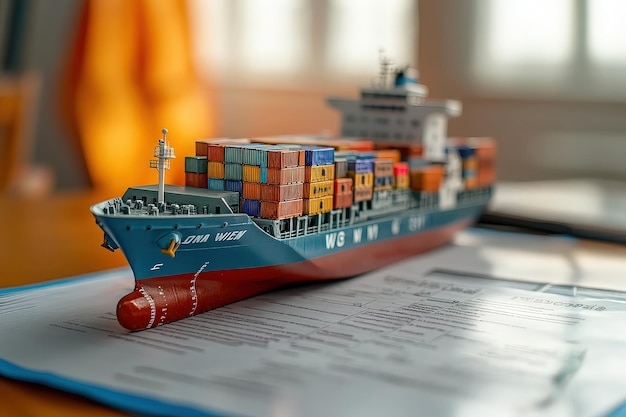
China’s manufacturing base and extensive port network connect domestic producers with customers, suppliers, and distribution centres worldwide. As goods move across oceans, they may face storms, collisions, fires, theft, contamination, handling damage, and delays. Maritime cargo insurance helps businesses transfer selected financial risks associated with these events, supporting greater certainty across international trade and logistics operations.
A recent study by MarkNtel Advisors highlights that the China maritime cargo insurance industry was valued at USD 4.25 billion in 2025. It is projected to grow from USD 4.48 billion in 2026 to USD 6.18 billion by 2032, registering a CAGR of 5.51% during 2026–2032. Expansion reflects maritime trade activity, complex supply chains, cargo-value growth, digital insurance services, and greater awareness of transportation risks.
Insurance Protects the Financial Value of Goods in Transit
Maritime cargo insurance can protect goods while they are transported by sea and during connected stages of an approved journey. Depending on policy wording, coverage may respond to physical loss or damage caused by specified events affecting cargo during loading, ocean transportation, transshipment, temporary storage, and final delivery.
Coverage is not identical across every policy. Businesses must examine insured risks, exclusions, deductibles, valuation methods, geographical limits, packaging requirements, and documentation obligations. Insurance should therefore form part of a wider risk-management programme rather than replacing secure packaging, reliable carriers, and careful route planning. UN Trade and Development’s risk-transfer guidance similarly positions insurance within broader maritime resilience planning.
Expanding Trade Corridors Increase Cargo Exposure
China’s maritime and intermodal networks carry machinery, electronics, vehicles, textiles, chemicals, consumer goods, and industrial materials. Larger shipment volumes and more complex routes increase the number of loading, handling, storage, and transshipment points at which cargo may be exposed to loss.
China’s New International Land-Sea Trade Corridor handled 1.425 million twenty-foot equivalent units in 2025, connecting inland production centres with southern ports and international transport routes. This expansion illustrates how growing multimodal connectivity can increase the importance of coordinated cargo protection across rail, port, and maritime operations.
Supply Chain Disruptions Influence Risk Assessment
Maritime transportation faces risks from extreme weather, geopolitical tension, congestion, route closures, equipment failure, and changing trade policies. These events may extend voyage times, increase freight costs, or require ships to use alternative routes.
The UNCTAD Review of Maritime Transport 2025 identifies continuing pressure from rerouting, volatile freight rates, port disruption, and geopolitical uncertainty. Insurers must consider these changing conditions when evaluating routes, cargo characteristics, vessel information, accumulation exposure, and appropriate policy terms.
High-Value Cargo Requires Specialised Protection
Electronics, machinery, pharmaceuticals, temperature-sensitive goods, and automotive components may require coverage tailored to their value and handling requirements. Some cargo can suffer damage from moisture, vibration, temperature changes, improper stowage, or contamination even when no major maritime accident occurs.
Insurers may request information about packaging, container type, temperature monitoring, route selection, storage arrangements, and previous claims. Businesses transporting specialised goods must provide accurate declarations because incomplete information can affect underwriting decisions and claims outcomes.
Dangerous Goods Create Additional Responsibilities
Chemicals, fuels, batteries, and other dangerous goods require correct classification, packaging, documentation, labelling, segregation, and emergency planning. Failure to follow recognised standards may increase the likelihood of fire, leakage, pollution, or cargo rejection.
The International Maritime Organization’s IMDG Code establishes requirements for safely transporting dangerous goods in packaged form, including provisions covering containers, stowage, and separation of incompatible substances. Compliance supports safer transportation and can influence how insurers evaluate cargo risk.
Digitalisation Improves Policy and Claims Administration
Digital platforms are simplifying quotation, policy issuance, shipment declarations, document submission, and claims communication. Insurers can also use cargo-tracking information, weather data, vessel movements, and historical claims to improve risk assessment.
Sensors placed inside containers may record location, temperature, humidity, shock, or unauthorised opening. These records can help identify when damage occurred and support faster investigation. However, digital systems require cybersecurity, accurate data, and clear standards for determining how electronic evidence is used.
Accurate Documentation Supports Claims Settlement
A cargo claim may require the insurance certificate, commercial invoice, packing list, transport documents, inspection report, photographs, correspondence with carriers, and evidence of the loss. Missing or inconsistent records can delay assessment.
China’s maritime cargo insurance landscape will continue developing alongside trade corridors, high-value exports, digital logistics, and changing shipping risks. Long-term value will depend on clear policy wording, accurate cargo information, efficient claims processes, and close coordination among insurers, exporters, importers, carriers, and logistics providers.