
As technology becomes increasingly miniaturized, the need for micro precision plastic parts has skyrocketed. Today’s industries rely on intricate plastic parts used in medical, electronic, automotive, and aerospace industries. Just a single micron could make a huge difference, determining whether the part will perform well or fail.
The good news is that today there is an abundance of manufacturing techniques that allow to manufacture highly accurate plastic products. For instance, the process of precision injection molding can be used to produce small yet highly geometrically accurate parts in large batches. In this article, we will discuss what micro precision plastic parts are, their importance, how they are manufactured, and the key features of a manufacturing company you should consider.
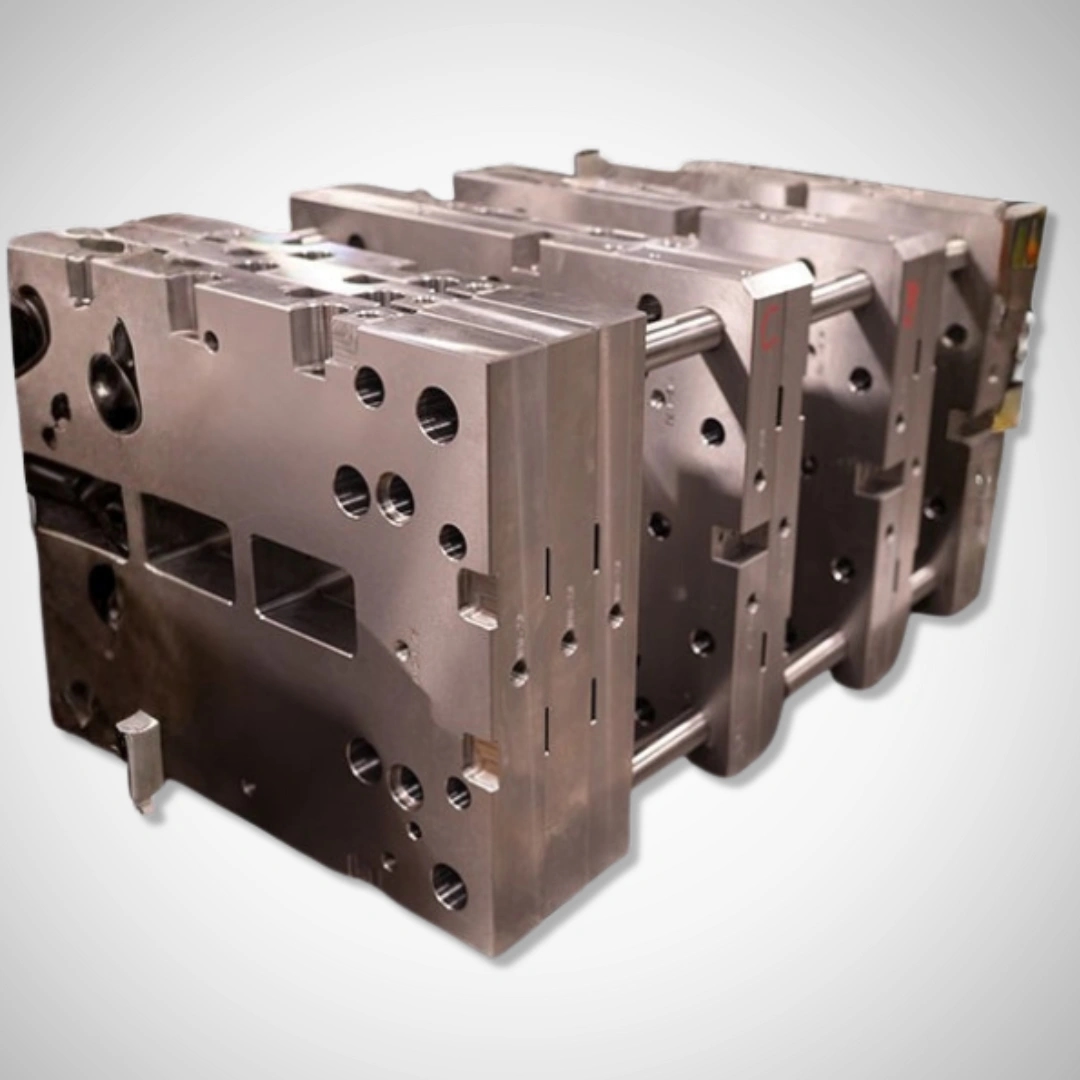
What Are Micro Precision Plastic Parts?
These are the miniature plastic parts that are manufactured with extreme accuracy within fractions of microns. Such parts usually have sizes smaller than a coin and are used in applications where limited space is combined with very high performance requirements.
Examples of micro precision plastic parts include:
Micro-gears and gear boxes used in medical pumps
Connector housings for electronic gadgets
Components for diagnostic equipment (micro fluidic)
Mini-lenses and optical housings
Surgical tool components
Sensor housings for automotive and industrial use
The Value of Precision Injection Molding
Precision injection molding is a highly specific form of plastic manufacturing used to create parts with exacting dimensions and consistent reproducibility. Standard injection molding may allow a certain degree of deviation, whereas precision injection molding aims to achieve:
Micro-fine measurements - With every part being virtually identical to the intended specification.
Unflinching replication - Generating huge volumes of exactly the same part with no deterioration over time.
State-of-the-art mold building - Creating molds to extremely fine tolerances, with near-perfect cavities.
Optimized conditions - Precisely regulating temperature, atmospheric humidity, and air purity so as to guarantee flawlessness.
High-grade polymers - Producing durable parts using performance materials resistant to load, heat, and chemicals.
The precision that arises from this controlled process is non-negotiable for a range of industries, particularly medical device manufacturers, electronics producers and aerospace engineers, in situations where a single micro part failure could undermine an entire system.
The Importance of tight tolerance plastic molding
tight tolerance plastic molding pushes a high level of accuracy even further: while some tolerance level will be unavoidable with any molding technique, tight tolerance molding signifies manufacturing processes that result in tolerances measured well within 0.005 millimeters (this can vary significantly depending on the application).
These strict tolerances can be achieved by:
Sophisticated, high-precision mold design through CAD/CAM systems
High quality, hardening steel alloys for the molds that will prevent warpage and wear.
Tight control of process parameters (melt temp, injection speed, cycle time etc.)
In-line monitoring of manufacturing with real-time sensor-based data acquisition
Post-production inspection utilizing, for example coordinate measuring machines(CMM), optical comparators, other forms ofmetrology.
Tight tolerance plastic molding is especially vital for micro parts. In a part just a couple of micrometers wide, this part would lose percent relative to size more easily than say, a car bumper cover. A hundredth of an inch tolerance means something very different to a screw thread, for example, than it means to a car body part.
Applications Requiring Micro Precision plastic molding components
1. Medical & Healthcare
In surgical implements, medical diagnosis components, drug delivery systems, implantable devices it is essential that plastic parts adhere strictly to regulations such as that of ISO 13485. The requirement for precision is not just an improvement in performance it’s a matter of safety and health.
2. Electronics and Telecommunications
Connectors, micro-switches and housings need to fit into progressively smaller systems, but retain their structural integrity and electrical insulation characteristics.
3. Automotive
Sensors, micro-valves, control components found in modern vehicle control systems must be able to withstand vibration, thermal stress, and long-term degradation, without compromising on performance over time.
4. Aerospace & defense
Weight is an issue and so is integrity. The reduction in overall weight achieved by having the micro precision plastic parts used helps to meet the extreme safety standards associated with Aerospace and defense applications.
5. Consumer devices
Wearables, hearing aids and micro devices, all rely on the integration of light-weight micro precision plastic parts.
Materials used in micro precision molding
Having suitable resin for micro precision molding, as crucial as its molding process. It includes:
PEEK - is very strong and highly resistant to high temperature, it is frequently found in medical and aerospace industry
LCP - offers excellent flowing characteristics, required for very thin micro walls
POM - is used where a very stiff, low fiction micro part is required ( micro gears)
Polycarbonate - offers impact resistance and optical quality
Nylon (PA) - good strengths and integrity when dealing with load-bearing micro parts
Material selection greatly dictates a component's performance in real-world conditions, as well as the precision with which tight tolerance plastic molding procedures can manufacture it.
Manufacturing Micro Precision Plastic Parts.
Micro manufacturing still presents some difficulties: extremely small part dimensions lead to difficult mold flow, a sensitivity to shrinkage as the part cools, and a greater chance for problems with flashing, short shots, orwarping. Precision in small part ejection also can add complexity. Given all of these variables, extremely tight tolerance standards are paramount.
These hurdles are overcome with highly trained technicians and designers; sophisticated simulations-often including mold flow analyses-to determine the right material and injection molding parameters; and continued refinement of molding and finishing processes.
Finding the right manufacturer partner includes seeking companies who have expertise in-and practice these processes of-precision injection molding and tight tolerance plastic molding: mold design and mold making in-house; clean-room manufacturing facilities when required; extensive quality measuring and inspection techniques; strong quality certifications such as ISO 9001, ISO 13485 and IATF 16949; and a track record of successful micro-molding work across various industries. An experienced manufacturing partner will minimize defects and manufacturing lead times, ultimately reducing costs and lead-time requirements.
Conclusion
Micro precision plastic parts are driving advancements in all areas of technology, from life-saving medical equipment and compact electronics, to hi-tech automotive components, and more. However, the incredible precision required in these parts can only be achieved with a highly specialized set of technologies: precision injection molding and tight tolerance plastic molding, along with cutting-edge tooling, premium materials, and diligent quality control checks.
As companies continue to innovate and create increasingly miniature technology, the demand for reliable, high precision manufacturing partners will no doubt skyrocket.
Frequently Asked Questions
Q1: What types of applications typically utilize micro precision plastic parts? A1: Because of their small size, the great reliability, and precise nature, they're used in everything from implantable medical devices, mobile devices, automotive electronics to highly advanced aerospace equipment.
Q2: What are 'tight tolerances' when it comes to plastic molding? A2: Although they will vary according to both the object and required standards, we commonly consider anything at .005mm or better to be a tight tolerance within plastic molding.
Q3: Are there specific types of plastics suitable for micro precision injection molding? A3: Common options include LCP, Peek, POM, polycarbonate, and nylon. These are ideal because of the wide variety of properties they can lend to the final product.
Q4: Is micro precision plastic molding more expensive than standard molding? A4: Typically,yes. This is because of more advanced and specifically designed tooling (made to much closer tolerances), an extremely high emphasis on controlled manufacturing, better raw material and extremely strict quality control practices to ensure precision.
Q5: How do you inspect the quality of micro precision plastic parts? A5: There are a number of methods used including post production inspection via CMM machines or through visual comparators, plus in process monitoring for better feedback on quality as production begins. Some suppliers can even use mold flow simulation to refine the design and production process.
Q6: Can micro precision plastic parts be custom made to certain specifications? A6: It is definitely possible. You can always choose the best type of materials for the best specific results from your part and custom molds can be made to your exact specifications.
Q7: Which sectors would benefits the most? A7: Any sector with exceedingly high standards will benefit: the electronics industry, medical device manufacturers, automotive and aerospace all depend greatly on tiny, high quality and highly effective components.