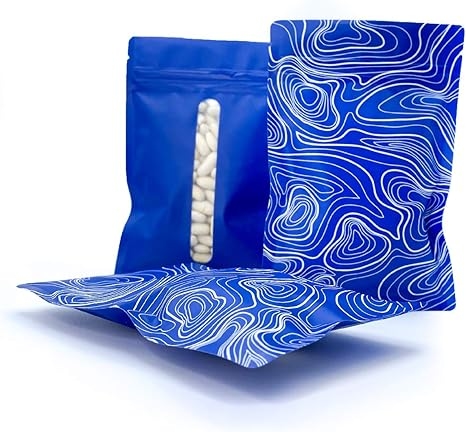
Packaging plays a vital role in protecting products and attracting consumers. Among the many options, Mylar bags are known for their durability and reliability. Their journey from the production line to the retail shelf is a careful process. Each stage ensures the product arrives safe, appealing, and ready for use.
Choosing the Right Materials
Every Mylar bag starts with high-quality film. Factories carefully select polyethylene terephthalate and other layers to meet strength and barrier requirements. This material is strong, moisture-resistant, and prevents oxygen from entering, which keeps products fresh.
Once the materials are selected, they are cleaned and prepared. Some bags have metallic coatings or additional layers for better protection. Factories measure each roll of film to ensure uniform thickness and remove any flaws. Even a small defect can reduce the bag’s effectiveness.
During this stage, samples are tested for durability. They are exposed to pressure, heat, and moisture to simulate real conditions. Only materials that pass these tests move to the next stage. This careful preparation ensures every bag performs its role in protecting the product.
Designing and Printing the Bags
Next comes design and printing. Packaging not only protects but also represents the brand. Factories work with companies to finalize colors, logos, and designs. The printing process can be digital for detailed graphics or flexographic for large, simple runs.
Protective coatings are applied after printing to prevent smudges and fading. Labels, product details, barcodes, and safety warnings are added at this stage. Some bags also feature functional elements like tear notches or resealable zippers.
Quality checks make sure prints are clear and designs match specifications. Misaligned or faded prints are discarded. A well-printed bag ensures the product is both visually appealing and functional.
Shaping and Sealing
After printing, the flat Mylar film is cut and sealed into individual bags. Machines cut the material precisely to ensure uniformity. Sealing is done using heat or ultrasonic technology, creating strong airtight bonds.
Some bags include special features like gussets for standing or spouts for pouring. Factories test bags for strength and seal integrity. Any weak seals or tears are removed from the batch. This step ensures the final bags are durable and ready for filling.
Filling the Bags
Once the bags are formed, products are added. Food, supplements, or other items are measured accurately to ensure consistency. Many factories use automated filling machines for speed and precision.
For food items, controlled environments maintain freshness. Some bags are filled with nitrogen to increase shelf life. After filling, the bags are sealed and labeled with batch numbers, production dates, and other information. Filled bags are then grouped into cartons for storage and shipping.
Checking Quality
Quality control is crucial before products leave the factory. Inspectors check seals, print quality, and bag strength. They test random samples to make sure bags can hold their contents safely.
This step ensures that consumers receive safe, reliable products. Batches that fail inspections are corrected or discarded. Continuous monitoring throughout production helps maintain high standards.
Storing and Shipping
Filled bags are stored in warehouses under controlled conditions to avoid damage. Humidity and temperature are monitored closely. Inventory systems track stock and manage orders efficiently.
Distribution logistics are carefully planned to deliver bags to retailers on time. Transportation methods are chosen based on distance and product type. Proper handling ensures that products arrive in perfect condition.
Placing Bags on Store Shelves
When Mylar bags reach stores, placement affects sales. Retailers arrange products for visibility and accessibility. Promotional displays may be used to attract attention.
Shelf organization also considers product age, placing older stock in front to sell first. Clear labeling and appealing packaging help consumers make informed decisions. Good presentation can increase sales and maintain product quality.
Consumer Experience and Feedback
Finally, the bag reaches the consumer. Durable and easy-to-use packaging creates a positive experience. Features like resealable zippers or sturdy material are appreciated.
Customer feedback helps brands improve their products. Insights into design preferences, functionality, and durability guide future packaging decisions. The entire process—from material selection to shelf placement—ensures that consumers receive high-quality products. Mylar bags custom packaging solutions provide protection, usability, and visual appeal.
Looking Ahead: Sustainability and Innovation
Packaging is evolving to meet environmental concerns. Factories are exploring recyclable films and eco-friendly coatings for Mylar bags. New technologies may include biodegradable layers, smarter packaging, and advanced printing techniques.
Future designs will focus on reducing waste while maintaining product safety and aesthetics. This ongoing innovation ensures that packaging remains practical, attractive, and environmentally responsible.
Conclusion
The journey of Mylar bags from the factory to the store shelf is a careful and detailed process. Each step, from selecting materials to final placement, ensures that products are protected and presented well. Factories focus on quality, durability, and design to meet both brand requirements and consumer expectations.
Consumers benefit from packaging that keeps products fresh, easy to use, and visually appealing. Meanwhile, brands gain trust and loyalty through reliable and well-designed packaging. The careful attention to detail at every stage shows how much planning goes into something as simple as a bag.
Looking ahead, innovations in sustainability and technology will continue to shape the packaging industry. Recyclable materials, smarter designs, and eco-friendly coatings will make Mylar bags even more effective and responsible. Overall, the journey of Mylar bags reflects the balance between protection, functionality, and consumer satisfaction, proving that packaging is more than just a container—it is an essential part of the product experience.
Place Your Order Now: https://ibexpackaging.com/custom-mylar-bags/