
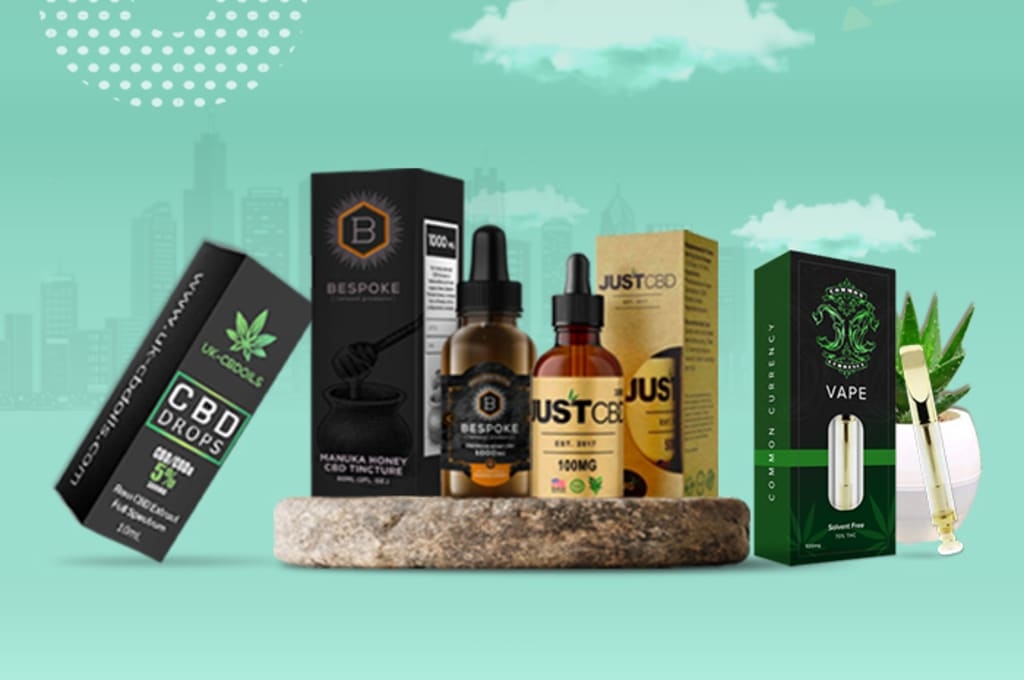
As the global CBD market grows, understanding packaging regulations becomes critical for businesses. Different countries have unique rules that affect how products can be marketed and sold. Navigating these laws ensures compliance and protects consumers.
CBD Packaging in the United States
In the United States, CBD packaging rules are shaped by federal and state regulations. The Food and Drug Administration oversees products containing hemp-derived CBD. They focus mainly on safety, labeling, and marketing claims. For example, companies must include accurate ingredient lists and avoid misleading statements about health benefits.
States have their own additional requirements. Some states require child-resistant packaging for edible CBD products. Others demand specific font sizes for ingredient lists. These rules are meant to ensure transparency and consumer safety. Businesses must keep track of these regulations when distributing products across state lines.
The use of warning labels is also common in US CBD packaging. Labels often include statements about keeping products away from children and not exceeding recommended doses. This helps companies avoid liability and comply with federal guidelines.
Another key aspect is the packaging material itself. Regulations suggest using containers that prevent contamination and preserve product integrity. Many companies now use opaque bottles or sealed pouches to meet these standards.
Marketing plays a significant role as well. Claims about curing diseases or medical conditions are strictly prohibited. Companies must carefully word their packaging to highlight wellness benefits without suggesting unapproved medical effects.
Overall, businesses in the US face a patchwork of regulations. Federal laws provide broad guidelines, while state-specific rules fill in the details. Companies need to be diligent to avoid penalties and ensure products reach consumers safely.
European Union CBD Packaging Rules
The European Union regulates CBD under food and cosmetic laws, depending on product type. The EU’s approach focuses on safety, traceability, and accurate labeling. Businesses must provide detailed information about ingredients, origin, and concentration of CBD.
Most EU countries consider CBD a novel food. This means any edible product containing CBD must receive approval before entering the market. Packaging must clearly show dosage, expiration date, and allergen information. Transparency is essential to maintain consumer trust.
Certain EU countries enforce strict restrictions on packaging appearance. For instance, using images or wording that appeals to children is prohibited. Labels must be straightforward and informative rather than decorative or misleading.
Environmental considerations are also important. Many EU nations encourage recyclable or biodegradable packaging materials. This reflects broader EU policies promoting sustainability across industries.
Additionally, marketing claims are heavily regulated. Statements about medical benefits are not allowed unless approved through rigorous scientific studies. The packaging should focus on general wellness and quality assurance instead.
Differences still exist between member states. Some countries have stricter enforcement, while others follow EU guidelines more loosely. Companies exporting CBD to Europe must research each destination country carefully. Compliance requires attention to detail and proactive monitoring of updates in legislation.
United Kingdom CBD Packaging Regulations
In the United Kingdom, CBD is regulated as a food supplement unless intended as a medicine. The Food Standards Agency oversees packaging rules for edible products. Labels must show CBD content, dosage instructions, and any warnings clearly.
The UK also requires all packaging to comply with general consumer safety laws. This includes using child-resistant containers for products that could pose risks to minors. Many companies choose tamper-evident seals to demonstrate quality control.
Marketing is a major consideration. Health claims are tightly controlled, and any suggestion of curing diseases can lead to regulatory action. Packaging should emphasize wellness and transparency rather than unproven medical benefits.
Importantly, the UK maintains strict traceability requirements. Businesses must keep detailed records of CBD sources and production methods. This ensures accountability and allows authorities to respond quickly to safety concerns.
Environmental sustainability is increasingly influencing packaging decisions. Companies are moving toward recyclable materials and avoiding excessive plastic use. This aligns with UK government goals to reduce waste.
Overall, UK regulations are similar to EU rules in many ways. However, the post-Brexit landscape means companies must track both domestic and international law changes. Careful planning ensures products remain compliant across markets.
Labeling Requirements Across Borders
CBD packaging labels must provide consumers with accurate information in all regions. This includes ingredient lists, concentration levels, and usage instructions. Transparency builds consumer confidence and avoids legal issues.
Ingredients and concentrations must be clear and readable.
Warning labels should indicate potential risks and recommended dosages.
Expiration dates and storage instructions must be visible.
Country-specific compliance marks may be required, such as CE marks in Europe.
Packaging should avoid claims that suggest medical effects unless authorized.
Labeling laws vary slightly but share the same goal: safety and transparency. Businesses operating internationally must adapt their designs to meet each region’s standards. Consistent labeling also helps build a trustworthy brand image.
Child Safety and Tamper-Proof Packaging
One shared concern across the US, EU, and UK is child safety. Many edible CBD products require child-resistant packaging. The aim is to prevent accidental ingestion by minors.
Tamper-evident features are also common. Seals, shrink wraps, and secure caps show consumers that the product has not been opened or altered. This practice increases trust and protects businesses from liability.
Some regions have specific testing standards for child-resistant packaging. Compliance may involve lab testing to ensure the closure system is difficult for children but easy for adults. Companies must invest in packaging design to meet these requirements.
Failure to comply can result in fines, recalls, or bans. Therefore, understanding local safety standards is as important as following labeling rules. Safe packaging demonstrates responsibility and supports regulatory approval.
Environmental and Sustainability Considerations
Regulators are increasingly concerned about environmental impact. The EU and UK encourage recyclable and biodegradable materials for CBD packaging. Businesses are exploring glass, aluminum, and plant-based plastics.
Sustainable packaging is not just a trend. It can improve brand reputation and appeal to eco-conscious consumers. Using minimal materials and avoiding excessive plastic aligns with international environmental goals.
Some companies highlight sustainability directly on packaging. This communicates corporate responsibility and meets consumer expectations. However, all environmental claims must be accurate to avoid misleading consumers.
In the US, sustainability is less regulated but still valued by many consumers. Companies exporting to the EU or UK must ensure their packaging meets stricter environmental standards. This requires strategic planning and supplier collaboration.
Overall, sustainability in packaging is becoming a core consideration. Combining safety, compliance, and eco-friendly materials creates products that are both legally compliant and attractive to customers.
Marketing and Brand Communication
Packaging is a critical tool for communicating brand values and product quality. Across the US, EU, and UK, the content and design of packaging must align with regulatory rules.
Excessive claims about medical benefits are prohibited. Instead, companies emphasize general wellness, quality sourcing, and natural ingredients. Clear, simple language helps avoid consumer confusion and legal issues.
Design elements like logos, colors, and graphics must be carefully chosen. Misleading visuals or child-friendly imagery can result in penalties. Businesses must balance marketing appeal with compliance.
Effective packaging also educates consumers. Instructions, dosage information, and storage guidance should be easy to find and understand. This enhances user experience and builds trust.
Strategically, packaging serves as both a compliance tool and a marketing asset. Companies that follow regulations while maintaining visual appeal gain a competitive advantage.
Challenges in International Compliance
Navigating CBD packaging laws across multiple jurisdictions presents challenges. Differences between the US, EU, and UK can be subtle but significant. Companies must carefully track updates in regulations.
Supply chain logistics can complicate compliance. Packaging materials, printing processes, and labeling designs must meet each country’s requirements. Mistakes can lead to fines, product recalls, or shipment delays.
Legal interpretations can vary, even within a single region. Businesses often consult legal experts to ensure they remain compliant. Staying proactive helps companies avoid costly mistakes.
Another challenge is maintaining brand consistency. Adjusting packaging for different markets can create logistical and financial burdens. However, flexibility is essential to succeed in international trade.
Ultimately, companies must prioritize compliance, safety, and clarity. Understanding regulations, investing in high-quality packaging, and monitoring legal changes ensures long-term success.
Future Trends in CBD Packaging
The CBD industry continues to evolve, and packaging regulations are expected to adapt. Governments may introduce stricter labeling requirements, environmental standards, or safety rules.
Technological innovations are also likely to influence packaging. QR codes, tamper-evident seals, and smart labels can enhance traceability and transparency. Consumers may increasingly expect interactive or informative packaging.
Sustainability will remain a key trend. Biodegradable, reusable, and minimalistic designs will become standard. Brands that prioritize eco-friendly materials will stand out in the competitive market.
Global alignment of CBD packaging laws may improve over time. International guidelines could simplify compliance for companies operating across borders. Until then, careful research and adaptability are essential.
The focus will remain on safety, transparency, and trust. Companies that invest in compliant, attractive, and sustainable packaging will lead the market while protecting consumers and staying within the law.
Final Thoughts
Navigating CBD packaging laws across the US, EU, and UK is complex but essential for businesses. Each region has unique rules regarding labeling, safety, marketing, and environmental standards. Companies must carefully study these regulations before entering new markets.
Compliance is not only a legal requirement but also a way to build consumer trust. Clear, safe, and transparent packaging reassures customers about product quality and reliability. Businesses that ignore regional differences risk fines, recalls, or damaged reputations.
Sustainability is becoming a central consideration. Eco-friendly materials, minimalistic designs, and recyclable packaging are increasingly expected by regulators and consumers alike. Staying ahead of these trends can provide a competitive advantage.
Adapting to international regulations requires flexibility, research, and attention to detail. Monitoring updates, consulting experts, and investing in compliant packaging solutions ensures smooth cross-border operations.
Place Your Order Now: https://cbdpackagingstore.com/



