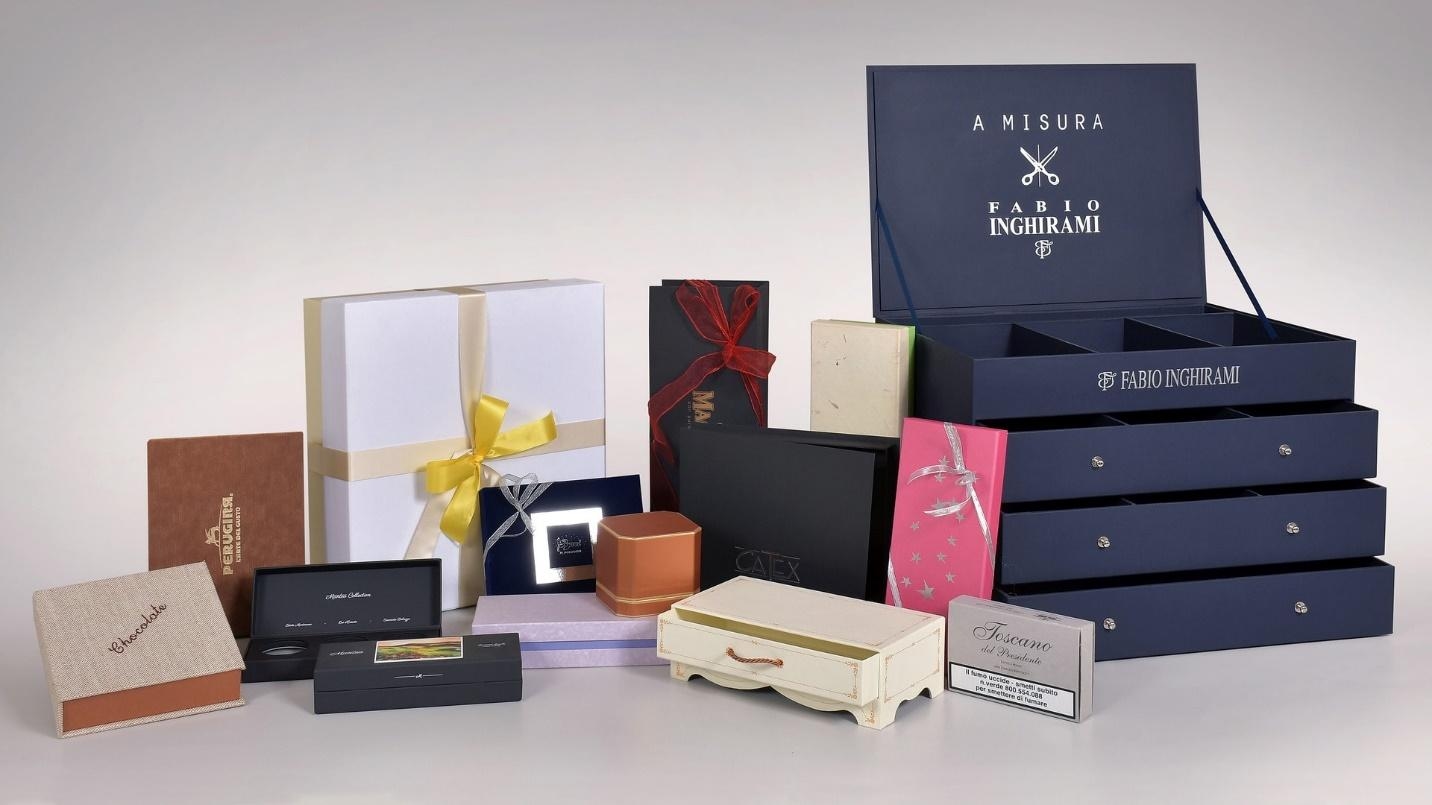
In B2B markets, packaging speaks before your sales team does. Buyers often judge your company by the box that arrives at their warehouse. A simple choice between wholesale stock boxes and tailored packaging can shape long-term trust.
The First Physical Touchpoint Shapes Buyer Trust
In B2B trade, decisions rely on risk control. Buyers think about supply stability and brand image. Therefore, they look for signs of reliability in every shipment. The shipping box becomes the first physical proof of your promise.
When a buyer receives a plain stock box, they notice the basics. The box protects the goods. It serves its function. However, it tells little about your standards. On the other hand, a well-designed box sends a clear message. It shows care. It reflects planning. It proves that you think beyond the product itself.
Buyers often handle hundreds of shipments each month. So they develop quick judgment skills. They check print quality, structure strength, and labeling accuracy. If the box looks weak or generic, they may question your process control. Even if the product works well, doubt may enter their mind.
Trust grows through consistency. When every shipment arrives in a strong and branded box, confidence rises. Buyers feel secure about repeat orders. They believe you manage details well. As a result, they reduce inspections and speed up payments.
In my experience, procurement managers rarely say packaging matters most. Yet their actions show otherwise. They prefer suppliers who look organized. They want partners, not just vendors. Packaging helps signal that partnership mindset.
Moreover, clear branding reduces confusion in busy warehouses. Staff can identify shipments faster. This small improvement saves time. Over months, these time savings build strong goodwill.
Therefore, the box does more than carry goods. It carries your reputation. In competitive B2B sectors, reputation often decides contract renewals.
Cost Efficiency Versus Long-Term Brand Value
Wholesale boxes seem cheaper at first glance. Many companies choose them to control costs. This decision makes sense for startups or bulk shipments with low margins. However, short-term savings may hide long-term costs.
Stock packaging limits flexibility. You must adjust your product to fit the box. Sometimes you add fillers. Sometimes you leave empty space. Both options increase shipping weight. Over time, logistics costs grow.
Custom packaging allows you to design around your product. You reduce wasted space. You lower damage risk. Therefore, you cut replacement costs. You also reduce return handling. These savings may balance the higher unit price of tailored packaging.
Brand value also affects revenue. B2B buyers prefer suppliers who strengthen their own brand image. If they resell your product, packaging becomes part of their customer experience. A generic box does not support premium positioning. In contrast, a well-branded box supports higher pricing.
Furthermore, decision makers think about perception. If two suppliers offer similar products, they compare presentation. Packaging often breaks the tie. A company that invests in its box looks stable. Stability attracts larger contracts.
It is also important to think about scalability. As your company grows, consistent branding becomes critical. Changing packaging later can confuse buyers. So planning early prevents rework and redesign costs.
In many industries, buyers audit suppliers. They inspect facilities and processes. Packaging design reflects operational maturity. A well-engineered box shows planning and testing. It signals that you manage quality at every stage.
Thus, the real comparison is not just price per unit. It is total impact on trust, efficiency, and brand power. When viewed this way, custom packaging often supports stronger long-term returns.
Operational Reliability and Supply Chain Confidence
B2B buyers focus on reliability more than creativity. They need on-time delivery and damage-free goods. Packaging plays a direct role in both outcomes.
Strong structural design protects products during transit. Trucks move across rough roads. Warehouses stack boxes high. If packaging fails, products break. Each damaged unit creates paperwork and delays. Over time, repeated issues harm supplier ratings.
Wholesale boxes follow standard sizes. These sizes do not always match your product weight or shape. As a result, stress points may appear. Corners may crush. Seals may tear. Buyers notice these flaws immediately.
Custom packaging allows you to test load capacity. You can adjust thickness and flute type. You can design inserts to secure items. Therefore, your shipments arrive in better condition. Buyers feel confident placing larger orders.
Supply chain managers also look at labeling clarity. Clear printing reduces sorting errors. Accurate barcodes speed up scanning. These details prevent shipping mistakes. Mistakes cost money and trust.
In my work with manufacturing firms, I saw how small packaging upgrades reduced complaints. After redesigning their shipping boxes, damage claims dropped sharply. Buyers responded with higher order volumes. They felt secure.
Reliability also affects forecasting. If a buyer trusts your packaging, they reduce safety stock. They depend on your shipments arriving intact. This shift strengthens your strategic role in their supply chain.
Moreover, predictable packaging dimensions improve pallet planning. Warehouses use space more efficiently. Transport costs decrease. These benefits create shared value between supplier and buyer.
Therefore, packaging is not just a marketing tool. It supports operational performance. When buyers judge your reliability, they consider how smoothly your boxes move through their system.
Branding Power in Competitive B2B Markets
Many B2B companies underestimate branding. They believe branding matters only in consumer markets. However, corporate buyers are also influenced by image and perception.
A strong brand reduces negotiation pressure. Buyers accept slightly higher prices from trusted names. Packaging contributes to that brand presence. It carries your logo, colors, and contact details into the buyer’s facility.
When your boxes stack in a warehouse, they create visual impact. Staff see your brand daily. This repetition strengthens recognition. Over time, your company becomes familiar and dependable.
In sectors such as electronics, cosmetics, and food ingredients, packaging quality signals product quality. Even industrial buyers link visual standards with process discipline. A clean and well-printed box suggests clean production practices.
Moreover, branded packaging supports cross-selling. If you add a product line, existing buyers feel comfortable trying it. They already trust your identity. Packaging consistency reinforces that trust.
For companies that offer Custom Boxes Wholesale, branding becomes even more strategic. It shows that you understand scale and personalization at the same time. Buyers value suppliers who can combine efficiency with tailored solutions.
Branding also supports digital presence. When buyers share warehouse photos or trade fair images, your packaging may appear in the background. This exposure increases visibility without extra marketing spend.
Therefore, branding in B2B is not about flashy graphics. It is about consistent identity. A strong box design acts as a silent ambassador. It communicates professionalism long after the sales meeting ends.
Customization as a Signal of Partnership
B2B relationships often last for years. Buyers look for suppliers who act as partners. Custom packaging sends a clear partnership signal.
When you invest in tailored packaging, you show commitment. You design boxes around buyer needs. You may add special instructions or private labels. These actions demonstrate flexibility.
Buyers appreciate suppliers who listen. If they request stronger corners or specific pallet dimensions, and you respond quickly, trust grows. Packaging becomes proof of collaboration.
Customization also supports co-branding. Some buyers want their logo on outer cartons. This approach strengthens their own brand image. If you provide this option, you increase your value in their eyes.
Moreover, tailored packaging can solve industry-specific challenges. For example, pharmaceutical buyers need tamper evidence. Food buyers need moisture resistance. By addressing these needs directly, you reduce their compliance burden.
In competitive bidding processes, customization can become a differentiator. While other suppliers offer standard boxes, you offer solutions. Decision makers often choose the supplier who reduces complexity.
From my consulting experience, I have seen procurement teams shift large contracts to suppliers who adapt quickly. Packaging changes often start small. However, they signal a broader service mindset.
Therefore, customization does not only improve appearance. It communicates commitment. It shows that you invest resources for a specific client. In B2B markets, that level of attention builds durable loyalty.
Environmental Responsibility and Buyer Expectations
Sustainability now influences B2B decisions. Many corporations set environmental targets. They expect suppliers to support these goals. Packaging choices play a central role.
Buyers ask about recyclable materials. They check for excessive plastic. If your packaging looks wasteful, they may question your environmental policy. This concern can affect contract renewal.
Custom packaging allows material optimization. You can reduce unnecessary layers. You can choose recycled board. You can design right-sized boxes to lower carbon emissions from transport.
Sustainable packaging also improves public reporting. Many companies publish supplier data in sustainability reports. If your packaging meets standards, buyers can include you as a positive example.
Furthermore, environmental design often aligns with cost efficiency. Lighter boxes reduce shipping costs. Compact designs increase container capacity. Therefore, sustainability supports profitability.
Wholesale stock boxes may not meet specific green goals. They often use generic materials. You may have limited control over sourcing. This limitation can create compliance gaps.
Buyers also consider disposal ease. If packaging breaks down easily, warehouse teams save time. Reduced waste handling improves operations.
In recent years, I have observed more supplier audits focused on sustainability. Packaging questions appear in almost every checklist. Buyers want evidence, not promises.
Thus, your box communicates your environmental stance. A thoughtful design shows awareness and responsibility. In modern B2B trade, that message strongly influences reliability perception.
Practical Factors Buyers Evaluate in Your Packaging
When buyers receive shipments, they assess several visible and hidden elements. These factors shape their opinion quickly.
Structural strength and durability under stacking pressure
Accuracy of printed information and barcodes
Consistency in size and weight across batches
Ease of opening and resealing when needed
Protection level against moisture and impact
Each factor links directly to operational efficiency. If a box collapses, warehouse staff lose time. If a barcode fails, scanning slows down. Small problems create daily frustration.
Buyers also examine aesthetic details. Smudged printing suggests poor quality control. Misaligned logos indicate rushed production. These signs may appear minor. However, they influence trust subconsciously.
Consistency matters most. One good shipment does not secure confidence. Buyers expect the same quality every time. Variations create doubt about your internal processes.
Additionally, they consider how packaging integrates with automation systems. Many warehouses use conveyor belts and scanners. Standardized and well-designed boxes move smoothly through these systems.
Safety also plays a role. Sharp edges or unstable loads create injury risks. Companies prefer suppliers who reduce workplace hazards.
Finally, buyers reflect on overall presentation. Does the box align with the product value? Does it support their brand story? If the answer is yes, they feel secure.
Therefore, every detail counts. The box becomes a performance indicator. It reflects your discipline, planning, and respect for the buyer’s operations.
Making the Strategic Choice for Long-Term Growth
Choosing between wholesale and custom packaging is not a simple cost decision. It is a strategic move that affects perception, efficiency, and growth.
If your market competes mainly on price, stock boxes may serve you for a time. They reduce initial expenses. However, as competition increases, differentiation becomes essential.
Custom packaging supports brand strength, operational reliability, and partnership depth. It aligns with sustainability trends and automation needs. Therefore, it prepares your company for long-term contracts.
Leaders should evaluate total cost of ownership. This review includes damage reduction, shipping efficiency, and brand impact. When all factors are considered, tailored solutions often deliver stronger value.
Moreover, early investment prevents future redesign. Changing packaging after rapid growth can disrupt supply chains. Planning ahead creates stability.
B2B buyers think strategically. They look for suppliers who think the same way. When they see a well-designed box, they assume structured management behind it. This assumption increases confidence.
In conclusion, your packaging is more than a container. It is a statement of reliability. In B2B markets, buyers judge quickly and remember long. The box you choose today can shape the partnerships you build tomorrow.
Final Thoughts
In the end, packaging is far more than a practical necessity in B2B trade—it is a silent ambassador of your company’s reliability, professionalism, and attention to detail. Buyers do not only evaluate your product; they assess every touchpoint that interacts with their operations. The box that arrives on their dock becomes an immediate signal of your commitment, operational discipline, and brand consistency. While wholesale options may save costs upfront, they often lack the nuance to communicate trust, durability, and partnership potential. Custom packaging, when thoughtfully designed, enhances protection, supports sustainability, and reflects a supplier willing to align with the buyer’s strategic goals.
Every detail matters—from structural strength and accurate labeling to visual branding and environmental responsibility. These factors combine to influence perceptions of reliability and operational competence. When your packaging demonstrates consistency, buyers gain confidence in repeat orders, fewer inspections, and smoother supply chain integration. Over time, these small but impactful choices create durable trust that underpins long-term business relationships.
Source Link: https://ibexpackaging.com/custom-box/