
Industrial automation is rapidly transforming modern manufacturing and is currently undergoing rapid development and revolution. The speeds, accuracy and overall efficiency gained by employing it have been exceptional. The pneumatic parallel gripper plays an indispensable role in industrial automation; it's a micro-gripping robotic mechanism which allows precise handling of tiny and delicate work-pieces in a number of different fields including the electronics industry, the medical field, semiconductors, pharmaceuticals, as well as precision engineering. Industries are gradually evolving into robotic and smart factories, and the need for sophisticated gripping devices continues to escalate; with a pneumatic micro grippers, manufacturers can automate tasks that involve constant handling, without compromising on consistency and reducing the chances of component damage.
What is a Pneumatic Micro Gripper?
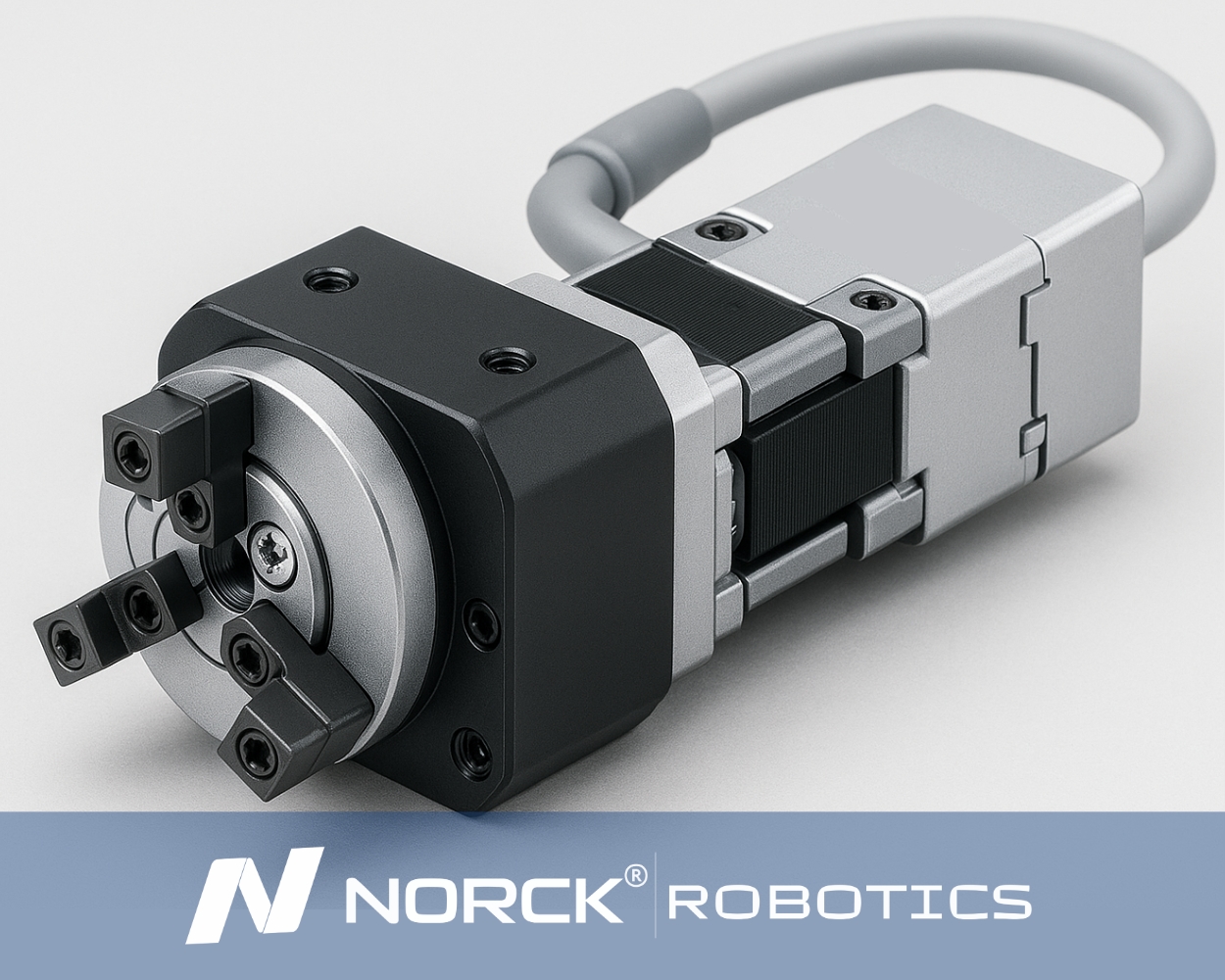
A pneumatic micro-gripper is essentially a mini industrial gripper that is operated by pneumatic power or compressed air. Pneumatic micro-grippers are specially designed to acquire, hold, and move small or fragile parts by precisely controlling the gripping force required. Pneumatic micro-grippers have found wide applications in robot automation systems, production lines and for pick-and-place tasks.
Compared to conventional grippers pneumatic micro grippers enable delicate handling of components, quicker movement of gripper in workspace and fine positioning of the part at the required location. Their small size helps in implementing it on smaller confined industrial environments with efficiency.
Common pneumatic micro-gripper configurations include:
Two-finger parallel pneumatic gripper
Parallel pneumatic gripper
Angular pneumatic gripper
Miniaturized robotic grippers
Why Pneumatic Micro-Gripper Are Important in Industrial Automation
Automated systems used in modern industries are characterized by repetitive actions and, for manufacturing process improvement, components must perform such actions with speed and precision. Pneumatic micro-grippers have emerged as significant factors to enhance manufacturing productivity and reliability.
1. High-Speed Operations
An inherent characteristic of a pneumatic micro gripper is its rapid actuation speed. As they are pneumatically actuated, they execute the gripping action within milliseconds and this, combined with their use in high-speed automation systems, significantly contributes to production rate efficiency. Industries such as those involved in electronics production rely on fast robot handling mechanisms to sustain efficient production. Pneumatic grippers provide reduced cycle times and increased processing volumes.
2. Precision Handling for Delicate Components
Components that are micro-sized are delicate and are susceptible to the slightest manipulation during handling. Pneumatic micro-grippers achieve controlled pressure distribution at the point of contact and therefore reduce the chance of component damage during manipulation.
3. Compact and Lightweight Design
Space is often limited in robotic automation systems. The structure of a pneumatic micro gripper is compact which contributes to simple robotic arm integration and ease of placement within confined spaces. Lightweight construction leads to improved efficiency and reduced loads on the robotic manipulator.
Pneumatic Micro-Gripper vs Servo-Electric Grippers
When deciding upon the automation hardware they are going to use, manufacturers often debate between pneumatic gripping devices and servo-electric grips.
Pneumatic Micro-Gripper
Pros:
Speedy actuation of grip
Low installation cost
Low maintenance requirements
Low weight
Ideal for simple task
Ideal usage:
Pick-and-place automation
Fast production lines
Electronics production
Packaging mechanisms
Servo-Electric Grippers
Pros:
Programmable grip control
Adjustable gripping forces
Precise control of movement
Intelligent monitoring features
Ideal usage:
Intelligent production systems
Flexible robot handling
Precise-control assemblies
As shown, the advanced programming and control that servo-electric grips provide are advantageous however pneumatic micro-grippers are widely favored throughout the industry due to the reliability and pace that they are able to achieve.
Applications of Pneumatic Micro Grippers
Due to high accuracy and efficiency, the application of pneumatic gripper technology is increasing in various industries:
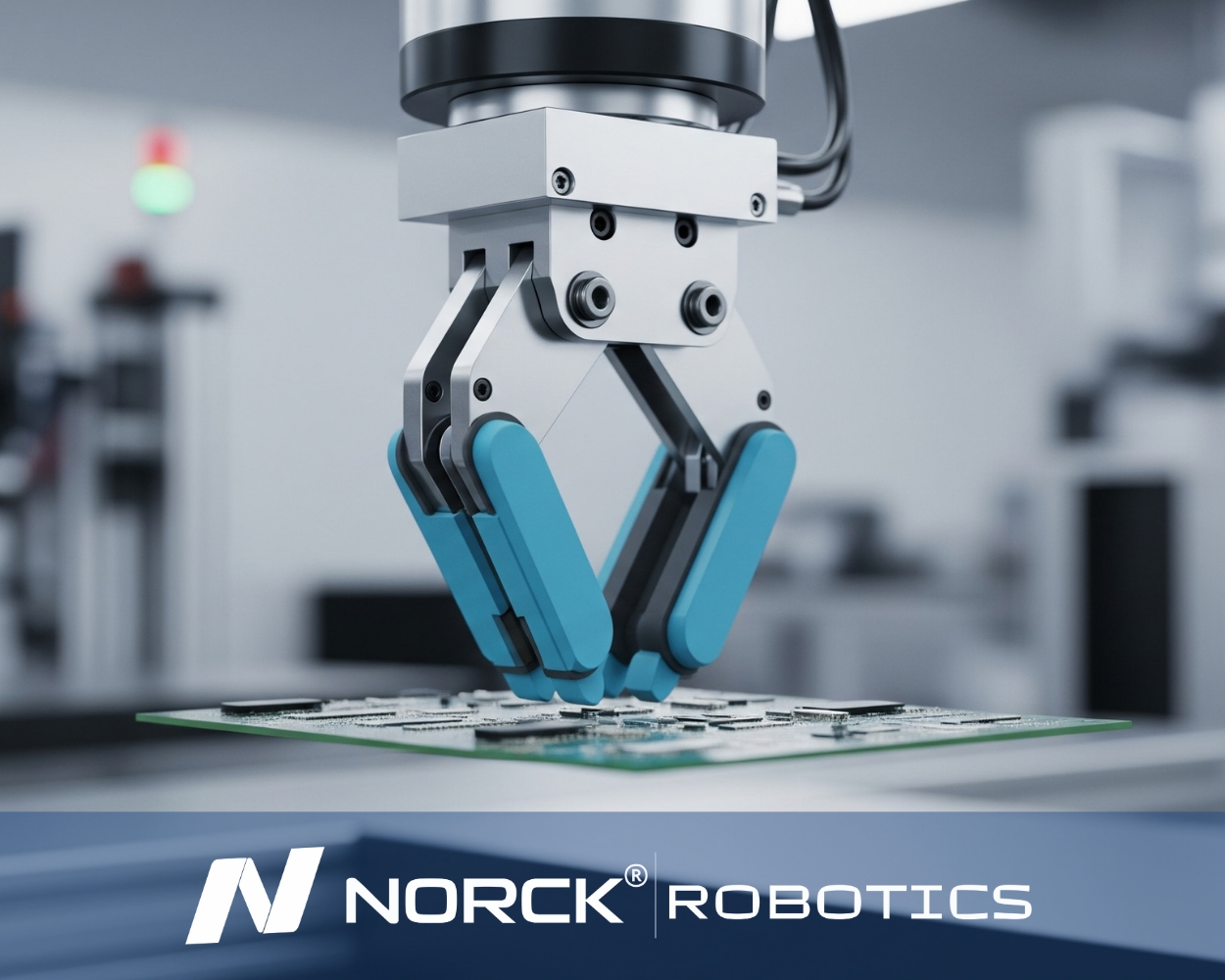
Electronic Manufacturing: Small and sensitive components in the electronic manufacturing sector, like microchips, connectors, circuit boards, can be precisely held by a pneumatic micro-gripper without damaging it.
Semiconductor Manufacturing: The high accuracy in robotics is of utmost importance in the semiconductor manufacturing sector. The pneumatic gripper is an integral part of the system for handling of wafer, transfer of chips, and assembling of micro-components.
Medical Device Manufacturing: High standards of cleanness and precision are expected in the medical manufacturing sector. The two-finger parallel gripper is a common device for assembling surgical instruments, syringes, and devices for testing purposes.
Pharmaceutical Automation: The automated handling of vials, capsules, test tubes and packaging elements in the pharmaceutical production line can be facilitated with pneumatic grippers.
Automotive Manufacturing: The modern automotive sector comprises many miniature and electronic components. Precision assembly and higher production continuity in the automation lines are ensured by micro pneumatic grippers.
How Pneumatic Micro Grippers Improve Smart Manufacturing
Robotics and automation technology form a backbone of the smart manufacturing systems. Pneumatic micro-grippers improve smart manufacturing by providing:
Improvement in speed of production
Decrease in human effort
Better quality assurance
Less operational mistake
Greater manufacturing stability
The utilization of pneumatic gripping systems within robotics enables manufacturers to enhance production efficiency and expand operations.
FAQ
1. What is a pneumatic micro-gripper used for?
Small, delicate or light parts in industrial automation are handled by picking up and placing components with a pneumatic micro-gripper. These are normally used in industries like electronics, semiconductors, pharmaceuticals and medicine.
2. What is a pneumatic parallel gripper? How does it work?
A pneumatic parallel gripper is where two gripper jaws are operated in parallel to pick up and release a component. A parallel motion delivers a stable gripping force. This ensures that an object is precisely picked up.
3. What are the advantages of Two-Finger Parallel Gripper?
A Two-Finger Parallel Gripper provides gripping stability, high repeatability, a compact structure and high precision in robotic handling.
Conclusion
Pneumatic micro-grippers help manufacturers improve automation speed, precision, and production efficiency across industries such as electronics, semiconductors, medical devices, and robotics. Both the stable robotic handling by pneumatic parallel gripper or precise assembly by a two-finger parallel gripper gives higher efficiency and economy to the manufacturer. While the usage of servo-electric grippers is growing for smart manufacturing, pneumatic micro-grippers are still one of the most practical, economical and efficient handling tools in high speed industrial automation. Contact Norck Robotics to find the right pneumatic gripping solution for your automation system.