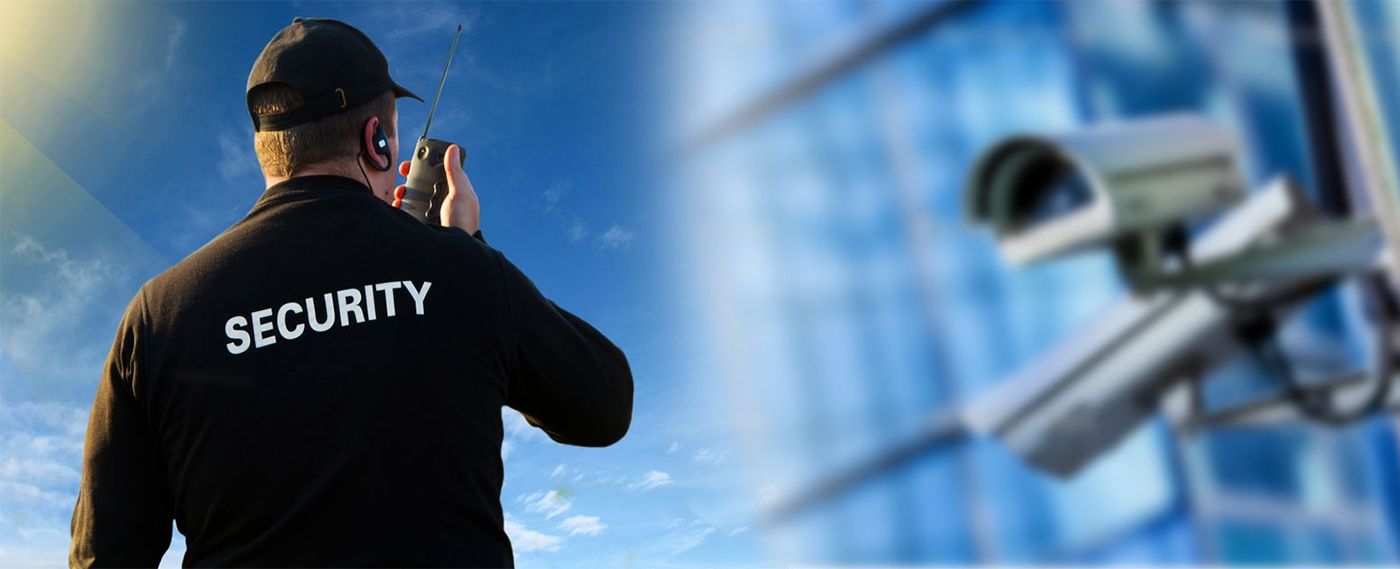
Businesses that handle valuable equipment, confidential information, financial assets, inventory, or sensitive operational materials face security risks that require careful planning. A single theft, unauthorized access incident, or security breach can result in significant financial losses, operational disruption, reputational damage, and potential legal consequences.
High-value assets are found across many industries, including manufacturing, logistics, financial services, technology, construction, retail, healthcare, and critical infrastructure. Protecting these assets requires more than locking doors or installing cameras. Businesses need a layered security strategy that combines physical protection, trained personnel, surveillance technology, access control, and clearly defined response procedures.
Why High-Value Assets Require Specialized Protection
The value of an asset is not limited to its purchase price. Some business assets may be expensive to replace, while others may contain information or materials that are essential to daily operations.
Examples of High-Value Business Assets
Businesses may need to protect:
Expensive machinery and equipment
Electronics and specialized technology
Cash and financial records
Inventory and merchandise
Confidential documents
Computer servers and data infrastructure
Company vehicles
Sensitive materials
Intellectual property
The security strategy should reflect the potential impact of losing or compromising each asset.
Start With a Security Risk Assessment
The first step toward effective asset protection is understanding where vulnerabilities exist.
Identify Critical Assets
Businesses should determine which assets require the highest level of protection and where they are located.
Identify Potential Threats
Potential risks may include theft, unauthorized access, vandalism, internal security breaches, industrial espionage, or targeted criminal activity.
Examine Vulnerable Locations
Security professionals can review entrances, loading docks, storage rooms, parking areas, server rooms, perimeter boundaries, and other sensitive locations.
A risk-based approach allows businesses to prioritize security investments instead of applying identical measures throughout an entire property.
Strengthen Physical Access Control
Access control is essential for protecting sensitive business areas.
Restrict Entry to Authorized Personnel
Employees, contractors, visitors, and vendors should only access areas appropriate to their roles.
Security measures may include identification checks, access cards, visitor registration, controlled gates, locks, and electronic access systems.
Protect Restricted Areas
Server rooms, cash storage areas, inventory facilities, research spaces, and executive offices may require additional controls.
Clear authorization procedures reduce the likelihood of unauthorized individuals entering sensitive locations.
Use Professional Security Personnel
Technology can detect and record activity, but trained security personnel provide an important human layer of protection.
Visible Deterrence
The presence of trained elite security guards can discourage unauthorized activity and provide a professional security presence at high-value properties.
Monitoring and Response
Security personnel can monitor entrances, conduct inspections, verify visitors, respond to alarms, and report suspicious activity.
Protecting Employees and Visitors
Security officers also help create a controlled environment for employees, customers, contractors, and visitors, particularly at facilities where valuable assets and sensitive operations are present.
Consider Specialized Protection for Higher-Risk Environments
Some businesses face security threats that require specialized planning and personnel.
Facilities handling high-value assets, sensitive materials, or elevated security risks may consider armed tactical security services when appropriate and legally authorized.
Risk-Based Deployment
Specialized personnel should be assigned based on a professional risk assessment rather than simply because an asset has a high monetary value.
Coordination and Procedures
Enhanced security personnel should operate according to established policies, applicable laws, site-specific procedures, and clear escalation protocols.
The objective should always be prevention, controlled response, and protection of people and assets.
Implement CCTV Surveillance
Video surveillance provides businesses with visibility across important areas of their properties.
Monitor Critical Locations
Cameras can be positioned strategically around:
Entrances and exits
Parking areas
Loading docks
Storage facilities
Perimeter boundaries
Restricted rooms
Cash-handling areas
Support Real-Time Awareness
CCTV monitoring services can help security teams observe activity and identify suspicious behaviour across multiple areas.
Maintain Useful Video Records
Recorded footage can support incident investigations and help businesses understand how an event occurred.
Camera systems should be positioned and operated in accordance with applicable privacy and legal requirements.
Protect Loading and Delivery Areas
Loading docks and delivery areas can become vulnerable because they involve frequent movement of employees, contractors, suppliers, vehicles, and materials.
Verify Deliveries
Businesses should establish procedures for confirming expected deliveries and identifying authorized suppliers.
Monitor Vehicle Movement
Security personnel and surveillance systems can help monitor vehicles entering and leaving controlled areas.
Secure Valuable Materials
High-value shipments should be stored in controlled locations until they are processed or transferred to authorized personnel.
Secure Sensitive Information and Technology
Physical security is also essential for protecting digital assets.
Protect Server Rooms
Unauthorized access to servers, networking equipment, and communication infrastructure can cause major operational problems.
Control Access to Confidential Records
Sensitive documents should be stored in restricted areas with appropriate access procedures.
Combine Physical and Cybersecurity
Businesses should coordinate physical security with cybersecurity teams because unauthorized physical access can sometimes create digital security risks.
Improve Perimeter Security
A secure perimeter creates an important first layer of protection.
Maintain Fencing and Gates
Damaged fencing, unsecured gates, and broken locks can create easy entry points.
Improve Exterior Visibility
Adequate lighting can help security personnel and surveillance systems detect suspicious activity.
Monitor Remote Areas
Large industrial and commercial properties may contain areas that are rarely occupied. Regular inspections can help identify security problems before they become serious incidents.
Develop Clear Security Procedures
Security equipment and personnel are most effective when supported by documented procedures.
Establish Incident Response Plans
Businesses should determine what happens when an alarm activates, suspicious activity is identified, or unauthorized access occurs.
Define Escalation Procedures
Employees and security personnel should understand when management, emergency responders, or law enforcement should be contacted.
Maintain Incident Reports
Detailed documentation can help identify recurring problems and improve future security planning.
Train Employees and Contractors
Employees are an important part of any security program.
Encourage Security Awareness
Staff should understand how to identify and report suspicious activity.
Protect Access Credentials
Employees should avoid sharing access cards, keys, passwords, or other credentials.
Follow Visitor Procedures
Employees should understand how visitors and contractors are authorized and monitored.
Regular training helps create a security-conscious workplace rather than placing all responsibility on security personnel.
Combine Multiple Security Layers
The strongest protection typically comes from combining several complementary measures.
A layered strategy may include:
Perimeter fencing and lighting
Controlled access points
Trained security personnel
Surveillance cameras
Alarm systems
Regular patrols
Employee security awareness
Emergency response procedures
Each layer addresses different vulnerabilities. If one measure fails, another can provide additional protection.
Regularly Review Security Performance
Security requirements can change as businesses grow, add equipment, change layouts, or experience new threats.
Review Security Incidents
Analyze previous incidents to identify patterns and weaknesses.
Update Technology
Older cameras, alarms, access systems, and communication equipment may eventually require upgrades.
Reassess Staffing
Security staffing should reflect current property size, operating hours, asset value, and risk levels.
Test Emergency Procedures
Regular reviews and drills can help ensure that personnel know how to respond when an incident occurs.
Final Thoughts
Protecting high-value assets and sensitive business areas requires a proactive and layered approach. Businesses should begin by identifying their most important assets and vulnerabilities before selecting security measures.
Strong access control, trained security personnel, surveillance technology, perimeter protection, employee awareness, and clearly documented response procedures can work together to reduce security risks. Higher-risk environments may also require specialized personnel and additional protective measures based on a professional risk assessment.
Security should not be viewed as a single product or service. It is an ongoing process that requires regular evaluation and improvement. By combining people, technology, procedures, and appropriate physical safeguards, Canadian businesses can better protect valuable assets, sensitive areas, employees, and long-term operations.