
Starting a new weight-management treatment can bring a mixture of excitement, questions, and uncertainty. For individuals who have struggled with weight loss despite making dietary changes and increasing physical activity, prescription treatments may offer additional support. Understanding how a medication works, what happens during the first few weeks, and how the body may respond can make the experience less overwhelming.
One treatment that has gained attention for its role in medical weight management is Wegovy Injections. Containing semaglutide, Wegovy is a prescription medication designed to help eligible individuals manage their weight alongside a reduced-calorie diet and increased physical activity. It works by influencing appetite-regulating hormones, helping reduce hunger and promoting feelings of fullness. For beginners, learning what to expect before starting treatment is an important step towards making informed and realistic decisions.
1. Understanding How Wegovy Injections Work
Before beginning treatment, it is helpful to understand how Wegovy works inside the body.
Wegovy contains semaglutide, which belongs to a class of medications known as glucagon-like peptide-1 (GLP-1) receptor agonists. These medications mimic the activity of a naturally occurring hormone involved in appetite regulation and blood sugar management.
Semaglutide works in several ways:
Reduces appetite: It acts on areas of the brain involved in hunger regulation, potentially reducing the desire to eat.
Increases feelings of fullness: Individuals may feel satisfied after eating smaller portions.
Slows stomach emptying: Food moves more slowly from the stomach into the small intestine, which can contribute to longer-lasting fullness.
Supports blood sugar regulation: It helps the body release insulin when blood glucose levels are elevated and reduces glucagon secretion when appropriate.
These combined effects can make it easier for eligible individuals to reduce their calorie intake and achieve gradual weight loss.
However, Wegovy is not an instant weight-loss solution. Its effectiveness depends on several factors, including individual response, treatment consistency, dietary habits, and physical activity.
2. What Happens Before Starting Wegovy Treatment?
For beginners, the first stage involves determining whether Wegovy is an appropriate treatment option.
The medication is generally prescribed to adults with obesity or those who are overweight and have at least one weight-related medical condition, depending on applicable prescribing guidelines.
Before treatment begins, a healthcare professional typically reviews several aspects of an individual's health.
Medical history: Existing health conditions, previous treatments, digestive problems, and other relevant medical concerns should be discussed.
Current medications: Certain medications may interact with Wegovy or require additional monitoring, particularly medicines used to manage diabetes.
Weight and BMI assessment: Body mass index and other health measurements can help determine whether an individual meets the treatment criteria.
Treatment goals: Realistic expectations should be established based on overall health, starting weight, and individual circumstances.
Wegovy is not suitable for everyone. It should not be used during pregnancy and is contraindicated under US prescribing information for individuals with a personal or family history of medullary thyroid carcinoma or multiple endocrine neoplasia syndrome type 2.
A proper medical assessment helps identify potential risks and determine whether treatment is suitable.
3. Your First Few Weeks: Understanding the Dosage Schedule
One of the most important things beginners should understand is that Wegovy treatment starts gradually.
The medication is administered once weekly, and the starting dose is intentionally low. It is then increased in stages to allow the body to adjust and help reduce gastrointestinal side effects.
For adults using the standard injectable Wegovy schedule, the usual dose escalation is:
Weeks 1–4: 0.25 mg once weekly.
Weeks 5–8: 0.5 mg once weekly.
Weeks 9–12: 1 mg once weekly.
Weeks 13–16: 1.7 mg once weekly.
Week 17 onwards: The recommended maintenance dose is generally 2.4 mg once weekly, although certain patients may follow an alternative approved maintenance schedule.
The prescribed schedule may vary depending on individual tolerance, clinical circumstances, and local product guidance.
Beginners should never increase their dose independently or rush through the escalation process. If a dose causes troublesome side effects, a healthcare professional may recommend delaying escalation or adjusting the treatment plan.
The gradual approach is designed to improve tolerability rather than produce immediate weight loss.
4. Common Changes and Side Effects Beginners May Experience
The body needs time to adjust to semaglutide. During the first few weeks, some individuals notice changes in appetite, digestion, and eating habits.
Understanding these possible effects can help beginners prepare for treatment.
Reduced appetite: One of the first noticeable changes may be a reduced desire to eat. Individuals may find that they feel satisfied with smaller portions or experience fewer hunger signals between meals.
Nausea: Mild nausea is among the most commonly reported side effects, particularly when starting treatment or increasing the dose.
Constipation or diarrhoea: Changes in digestion may affect bowel movements. These symptoms can vary from person to person.
Bloating and abdominal discomfort: Some individuals experience temporary digestive discomfort as their bodies adjust to the medication.
Vomiting: Although not everyone experiences it, vomiting can occur, especially during dose escalation.
Fatigue and headaches: Some individuals report tiredness or headaches during treatment.
Many common side effects are mild to moderate, but persistent or severe symptoms require medical advice.
More serious complications can include pancreatitis, gallbladder disease, dehydration-related kidney problems, severe gastrointestinal reactions, and allergic reactions. Severe persistent abdominal pain, particularly when accompanied by vomiting, should receive urgent medical attention.
Beginners should also understand that Wegovy has a warning concerning thyroid C-cell tumours observed in animal studies. The relevance of this finding to humans remains uncertain.
5. Daily Habits That Can Make the Treatment Experience Easier
Wegovy is designed to work alongside healthy lifestyle changes. Beginners who establish supportive daily habits may find it easier to manage common side effects and maintain progress.
Eat Smaller, Balanced Meals
Because Wegovy can increase feelings of fullness, large meals may become uncomfortable. Smaller portions eaten slowly may be easier to tolerate.
A balanced eating plan should include:
Lean protein sources such as eggs, fish, poultry, and legumes.
Fibre-rich vegetables and fruits.
Whole grains for sustained energy.
Healthy fats in moderate amounts.
Adequate vitamins and minerals.
Protein is particularly important during weight loss because it helps maintain muscle mass when combined with suitable physical activity.
Stay Hydrated
Drinking sufficient water is important throughout treatment. Hydration becomes especially important if an individual experiences vomiting or diarrhoea.
Water can also support normal digestion and help reduce the risk of dehydration-related complications.
Include Regular Physical Activity
Beginners do not necessarily need an intense exercise routine. Walking, cycling, swimming, and other moderate activities can provide a useful starting point.
Strength-training exercises may also help preserve muscle during weight loss.
The most suitable activity level depends on an individual's fitness, mobility, and medical history.
Prioritise Sleep
Good sleep habits support general health and may help regulate appetite and energy levels.
Maintaining a consistent bedtime and getting sufficient rest can make it easier to follow a healthy routine.
6. How to Administer Wegovy Injections Correctly
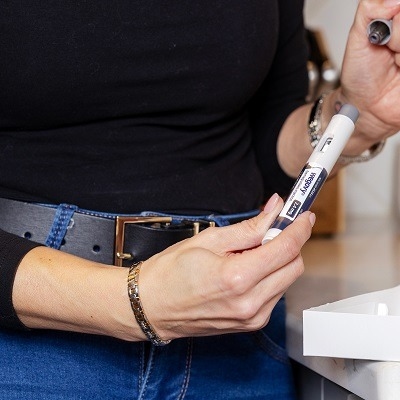
Wegovy is supplied as a prefilled injection pen designed for subcutaneous administration, meaning the medication is injected beneath the skin.
It is generally administered once weekly, on the same day each week. The injection can be taken at any time of the day, with or without food.
Common injection sites include:
The abdomen.
The front of the thighs.
The upper arms.
Injection sites should be rotated to help reduce irritation.
Beginners should receive appropriate instructions on using their specific pen because the device and administration steps may vary by product version and market.
A few important precautions include:
Check the medication and expiry date before use.
Follow the product-specific instructions for preparing the pen.
Use the correct injection site and technique.
Avoid injecting into irritated, bruised, or damaged skin.
Dispose of used needles safely according to local guidance.
Store the medication according to the manufacturer's instructions.
If a weekly dose is missed, the correct action depends on how much time has passed and the product's dosing instructions. Individuals should consult the patient information leaflet or a healthcare professional rather than doubling the next dose.
7. What Results Can Beginners Realistically Expect?
One of the biggest questions beginners have is how quickly Wegovy will produce noticeable weight loss.
The answer varies because every individual responds differently.
Some people notice reduced hunger within the first few weeks, while changes in body weight may develop more gradually. During the initial dose-escalation period, the main priority is allowing the body to adjust to treatment.
Weight-loss progress can depend on:
Starting body weight and BMI.
Individual metabolic factors.
Eating habits and calorie intake.
Physical activity levels.
Consistency with the prescribed treatment.
Ability to tolerate the medication.
Other existing medical conditions.
Clinical research has shown that eligible individuals can achieve meaningful weight loss when semaglutide is combined with lifestyle modifications.
However, results are not guaranteed, and some individuals may lose weight more slowly than others.
It is also important to understand that stopping treatment can lead to weight regain. Research has demonstrated that many individuals regain a substantial proportion of lost weight after discontinuing semaglutide. This makes long-term weight-management planning an important part of treatment.
Frequently Asked Questions About Wegovy Injections
1. Is Wegovy suitable for beginners who have never used weight-loss medication?
Yes, eligible individuals may start Wegovy even if they have never used prescription weight-loss medication before. Treatment begins with a low dose and increases gradually. However, a healthcare professional must first assess medical history, BMI, existing conditions, and potential risks.
2. How soon can beginners notice reduced appetite with Wegovy?
Some individuals notice appetite changes during the first few weeks. Others may experience more gradual changes as the dose increases. The response varies depending on individual sensitivity, dosage, and other health factors.
3. Does Wegovy cause weight loss during the first week?
Some individuals may notice small changes in weight early in treatment, but significant weight loss is not expected immediately. The initial dose is primarily intended to help the body adjust to semaglutide. Consistent treatment and healthy lifestyle habits support longer-term results.
4. Can beginners eat normally while using Wegovy?
Individuals can continue eating regular meals, but smaller portions and balanced food choices may be easier to tolerate. Large, greasy, or heavy meals can worsen digestive discomfort in some people. A nutritious eating plan is important throughout treatment.
5. What should beginners do if they experience nausea?
Eating smaller meals, avoiding excessively rich foods, eating slowly, and staying hydrated may help manage mild nausea. Persistent vomiting, inability to keep fluids down, or severe symptoms require medical assessment.
6. Is Wegovy intended for short-term or long-term use?
Wegovy is intended for ongoing weight management when medically appropriate. The duration of treatment depends on individual health needs, treatment response, tolerability, and professional guidance. Weight regain can occur after discontinuation, so long-term planning is important.
Final Thoughts
Starting Wegovy injections can feel like a significant step for individuals seeking additional support with weight management. Understanding how the medication works, how the dosage increases, what side effects may occur, and which lifestyle habits support treatment can help beginners feel more prepared.
Wegovy can help eligible individuals manage appetite, reduce calorie intake, and achieve meaningful weight loss when combined with healthy lifestyle changes. However, it is not a quick fix, and individual results can vary.
A professional medical assessment, appropriate dosing, balanced nutrition, regular physical activity, and ongoing monitoring are essential parts of a responsible treatment approach. With realistic expectations and consistent support, individuals can make more informed decisions about their long-term weight-management goals.
Read More About Wegovy Injections: https://socialfollow.demo4.dedicatedhost247.com/blogs/25727/5-Things-to-Know-Before-Starting-Wegovy-Injections



