Planning your first trip to Morocco can feel like preparing for a journey into a different world. It is a place where ancient traditions meet modern energy, and every corner offers a new scent, sound, or sight. For a traveler, the North African Kingdom is a tapestry of rugged mountains, rolling golden dunes, and historic cities that feel like living museums. If you are wondering where to start, this guide covers the absolute "must-see" spots to ensure your first visit is nothing short of magical.
Why is Marrakech the best starting point for your Moroccan adventure?
Marrakech is often called the "Red City" because of its stunning terracotta buildings that glow under the desert sun. For most travelers, it is the perfect introduction to the country. You can spend hours getting lost in the winding alleys of the Medina, shopping for hand-woven carpets, or watching snake charmers and storytellers at Jemaa el-Fnaa square.
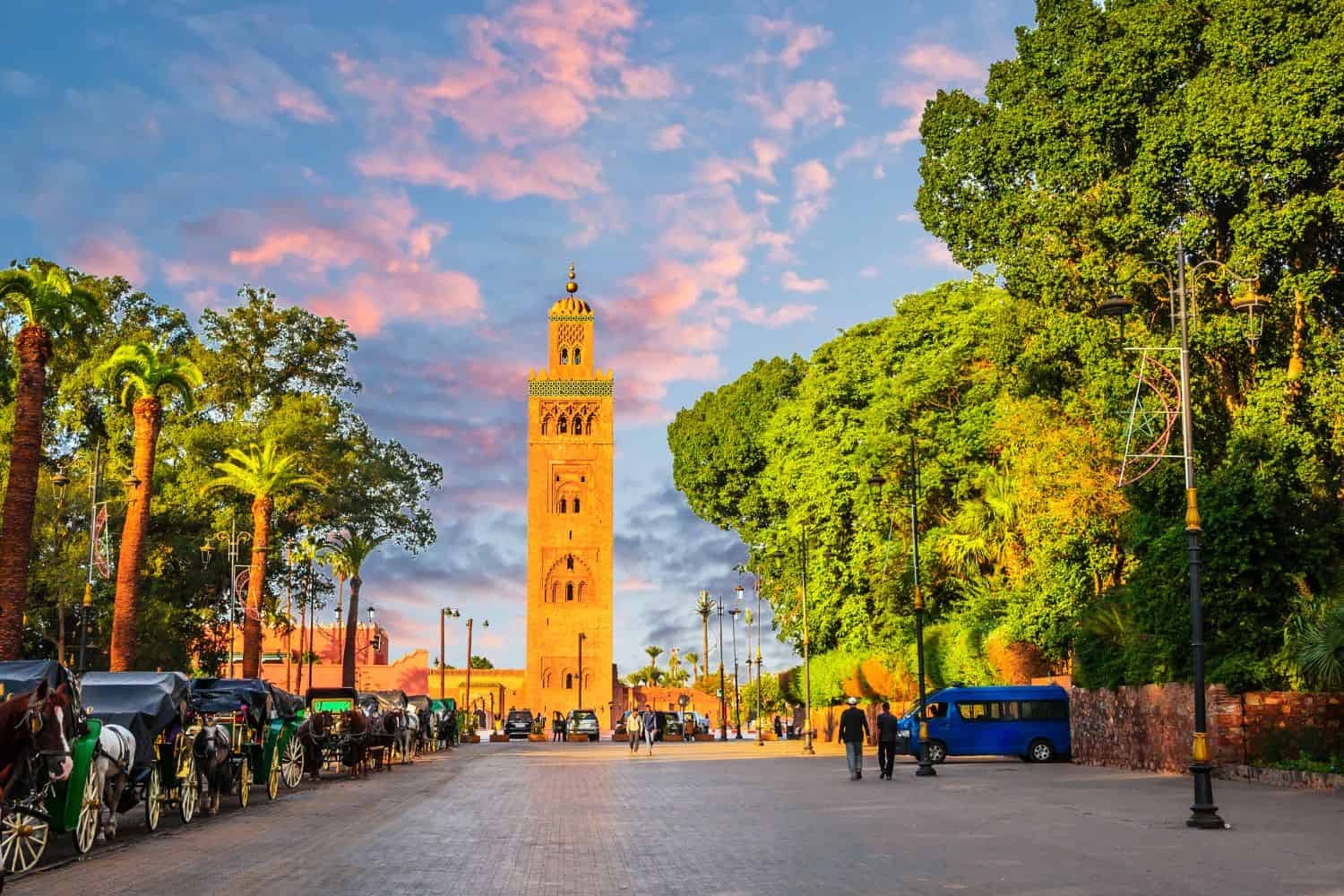
Beyond the chaos of the markets, Marrakech offers quiet sanctuaries like the Majorelle Garden or the Bahia Palace. It is chaotic, loud, and incredibly vibrant—exactly what Morocco is all about. Because Marrakech has a major international airport, it is often where most visitors begin their journey, making it a logical first stop on any itinerary.
Can you really see a "Blue City" in Morocco?
Yes, and it is even more beautiful than the photos suggest! Chefchaouen, tucked away in the Rif Mountains, is famous for its blue-washed buildings. Local legend says the blue paint was introduced by Jewish refugees to symbolize the sky and heaven, while others say it keeps the mosquitoes away. Regardless of the reason, walking through these streets feels like walking through a dream.
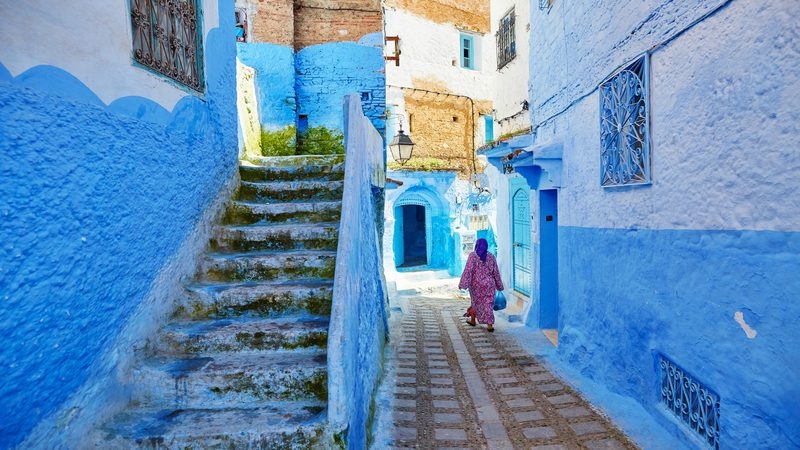
Chefchaouen is much calmer than Marrakech, making it a great place to relax, take photos, and enjoy a slow afternoon at a local café. It is also a fantastic base for hikers who want to explore the surrounding Akchour waterfalls and the "God’s Bridge" rock formation.
What makes Fes the cultural heart of the country?
While Marrakech is the tourist hub, Fes is the soul. Fes is home to the world’s oldest university, Al Quaraouiyine, and a Medina that is a UNESCO World Heritage site and the world's largest urban pedestrian zone. Unlike Marrakech, Fes feels much more ancient and untouched.
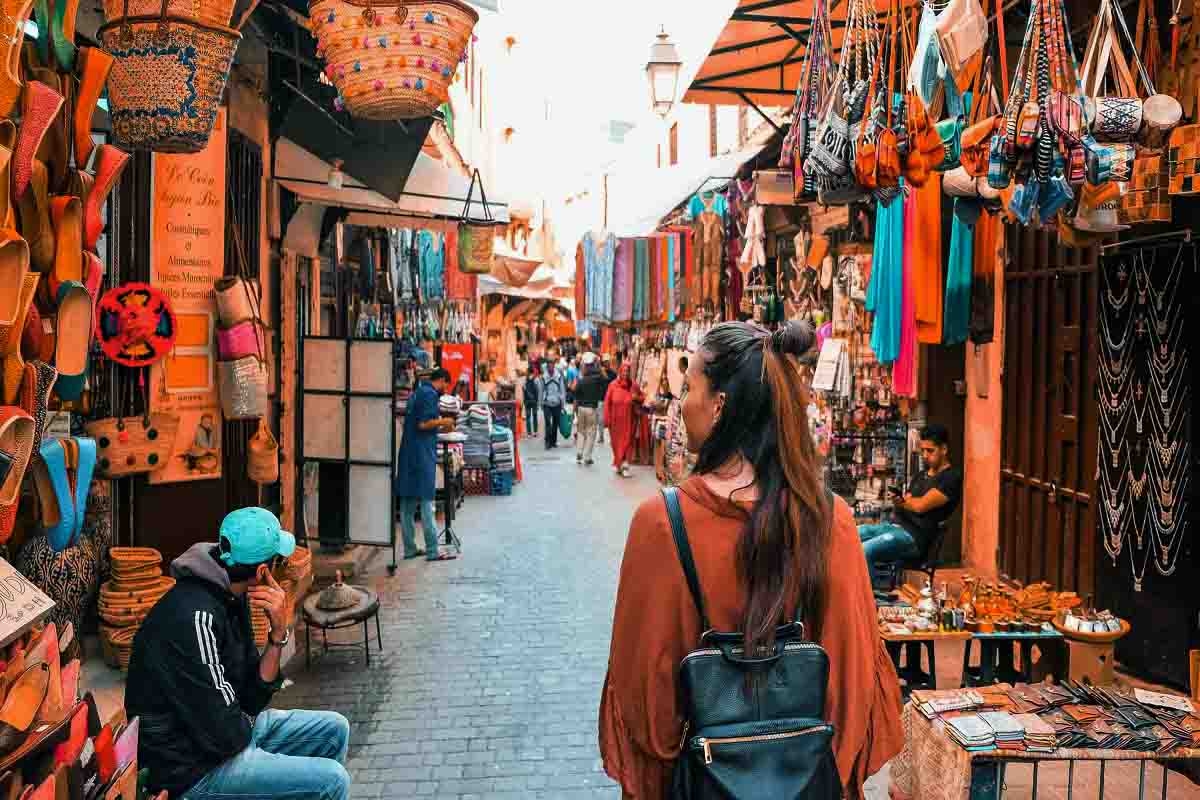
You must visit the famous Chouara Tannery, where leather is still dyed in massive stone vats using natural ingredients like saffron and indigo. The techniques haven't changed in centuries. Navigating Fes is like stepping back into the Middle Ages; donkeys carry goods through narrow alleys where no car can fit. It is a sensory experience you won’t find anywhere else on earth.
Is a night in the Sahara Desert worth the long journey?
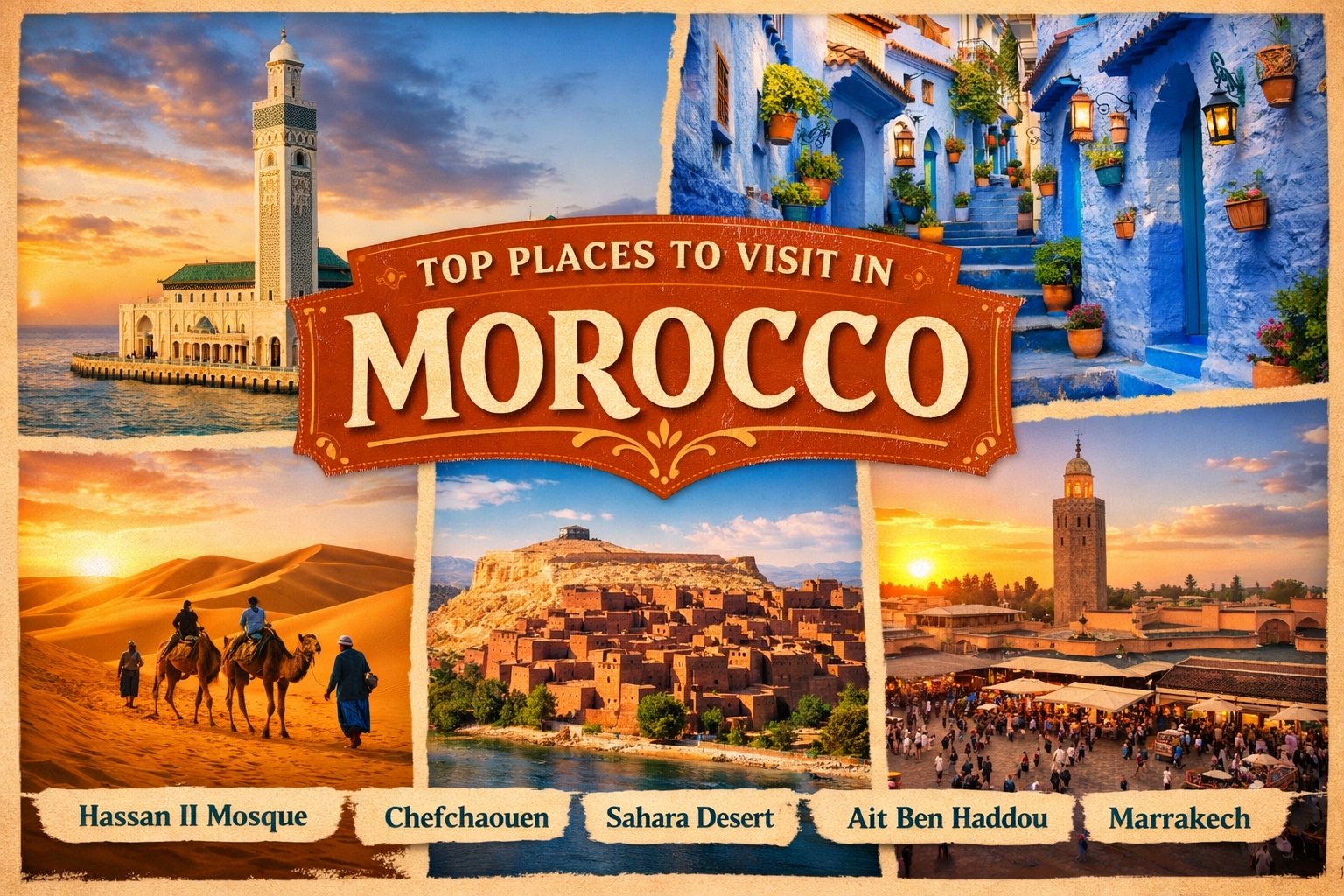
Absolutely. While the drive from Marrakech or Fes to Merzouga is long (usually taking a full day), reaching the Erg Chebbi dunes is a life-changing experience. These massive mountains of sand can reach heights of 150 meters and shift colors from pale gold to deep orange as the sun moves.
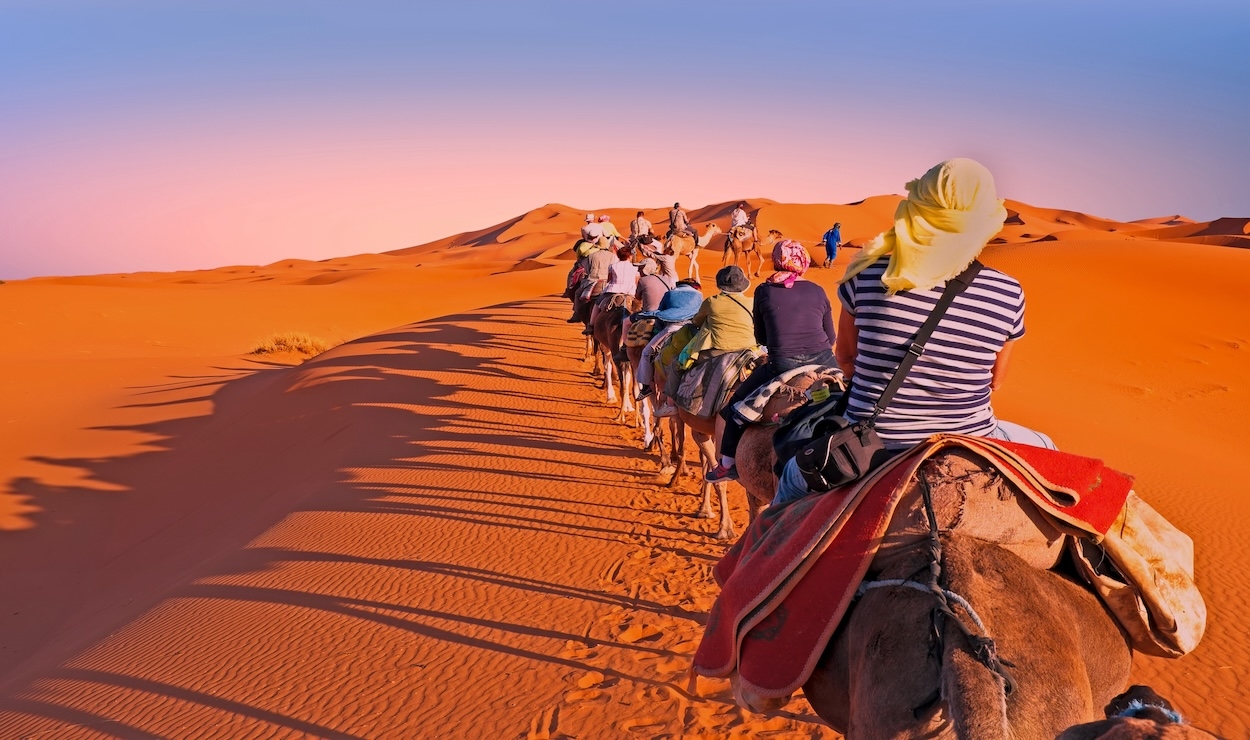
Imagine riding a camel into the sunset, the only sound being the soft thud of hooves on sand, and spending the night in a traditional Berber tent. Under a sky so clear you can see the Milky Way with your bare eyes, you will share stories around a campfire and wake up to the most spectacular sunrise of your life. It is the undisputed highlight of most Moroccan trips.
Where can you find the best coastal vibes in Morocco?
If the heat of the city or the desert gets too much, head to Essaouira. This windy port city is famous for its fresh seafood, blue-and-white architecture, and relaxed atmosphere. It was a favorite spot for Jimi Hendrix back in the day, and it still keeps that "cool," artistic vibe.
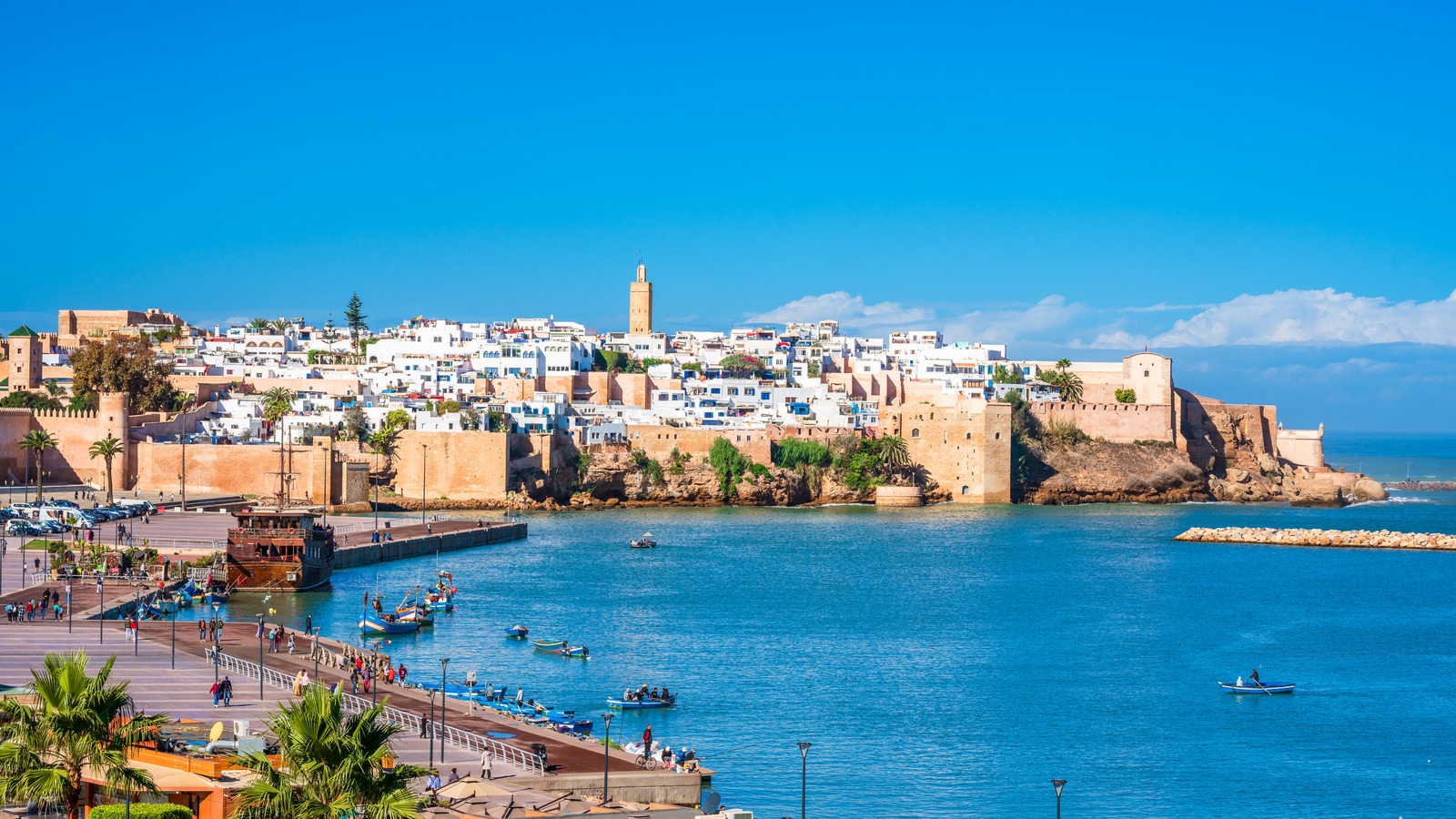
The harbor is filled with bright blue wooden boats, and the town is protected by 18th-century seafront ramparts. It’s also the best place to see the famous "tree goats"—local goats that have learned to climb Argan trees to eat the fruit. Essaouira is a breath of fresh air for those looking to escape the intensity of the larger cities.
What is the history behind the Kasbah of Ait Ben Haddou?
You might recognize this place from movies like Gladiator, The Mummy, or Game of Thrones. This ancient "ksar" (fortified village) is made entirely of earth, clay, and straw. It sits on a hill overlooking the Ounila River and offers a glimpse into how people lived along the old caravan routes between the Sahara and Marrakech.
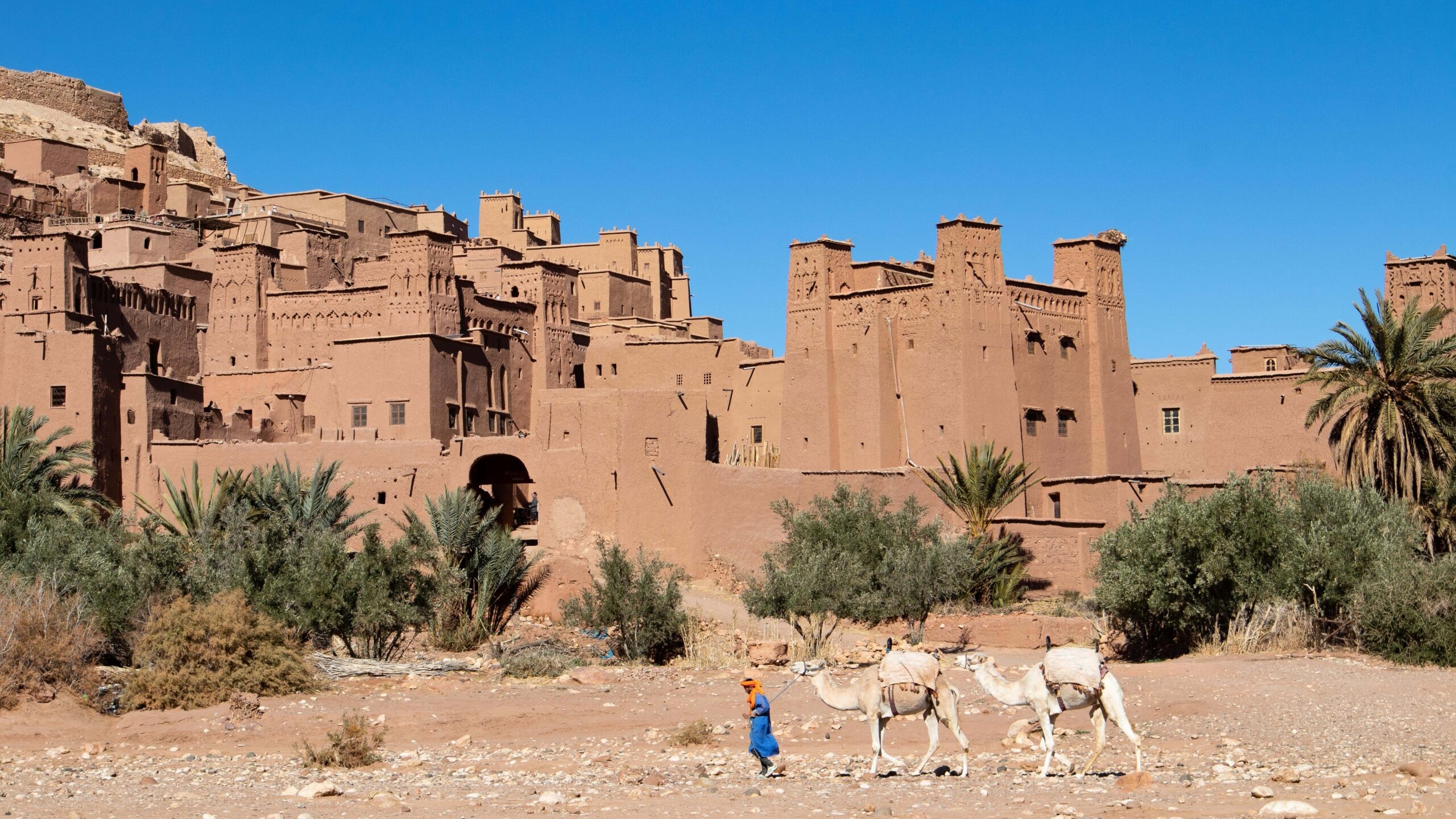
Climbing to the top of the granary provides a 360-degree view of the Atlas Mountains and the desert valley. It is one of the best-preserved examples of earthen architecture in the world and serves as a powerful reminder of Morocco’s rich Berber history.
How do you navigate the bustling souks without getting lost?
To be honest, getting lost is part of the fun! The souks are designed to be a maze. However, a good tip is to remember a few landmarks or download an offline map like Maps.me. Don't be afraid to haggle; it’s a local tradition and almost expected by the shopkeepers.
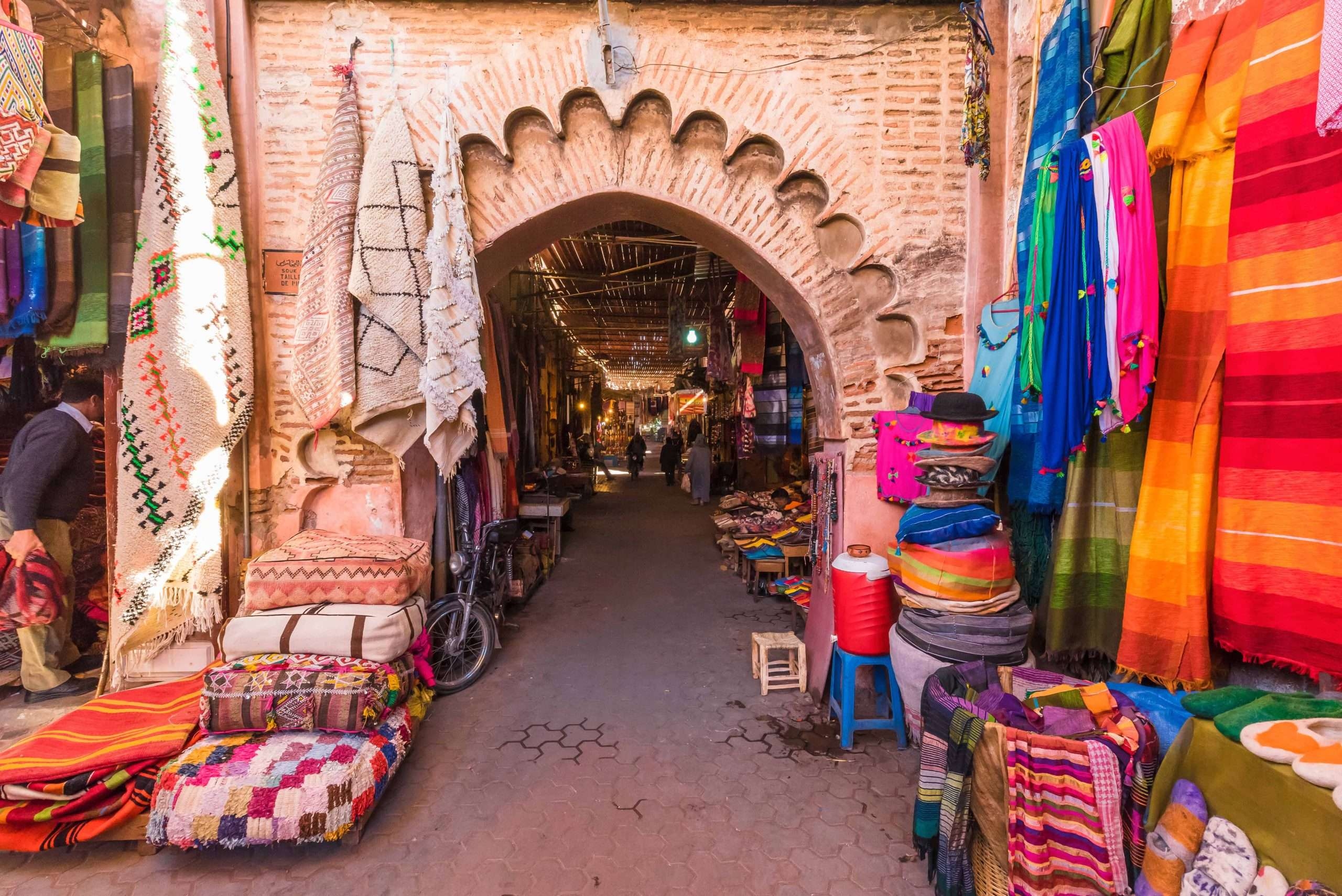
Usually, you should aim to pay about 50% of the initial price asked, but always keep it friendly. A smile goes a long way. Always carry a bit of cash, as small stalls in the Medina rarely take cards. If you truly get stuck, ask a shopkeeper for directions rather than a passerby to avoid being led to a "cousin's carpet shop" instead!
What are the must-try traditional Moroccan dishes?
Your taste buds are in for a treat. Moroccan cuisine is a blend of Arabic, Berber, and Mediterranean influences. You cannot leave without trying a slow-cooked Tagine. Whether it is lamb with prunes and apricots or chicken with preserved lemons and olives, the flavors are rich and aromatic.
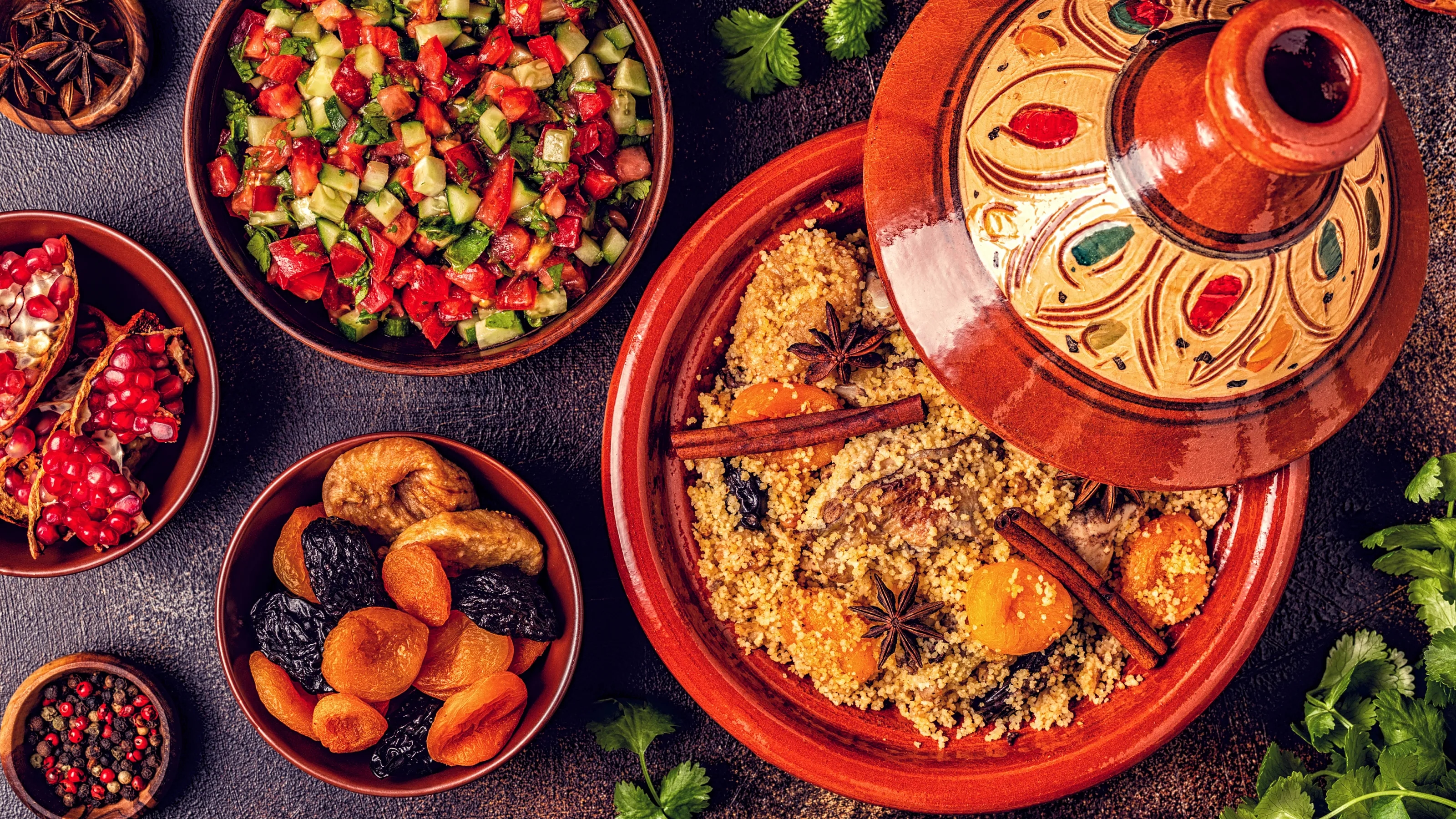
Also, make sure to try Couscous, which is traditionally served on Fridays. For breakfast, look for Msemmen (flaky flatbread) served with honey. And of course, you will be offered "Moroccan Whiskey"—which is actually just very delicious, very sweet mint tea served with a flourish from a high-poured silver pot.
Is Casablanca more than just a famous movie title?
While the 1942 film wasn't actually filmed here, the city is Morocco’s modern economic hub. It feels more like a European city than a desert outpost. The star of the show is the Hassan II Mosque, which is one of the largest mosques in the world and one of the few in the country that non-Muslims can enter.
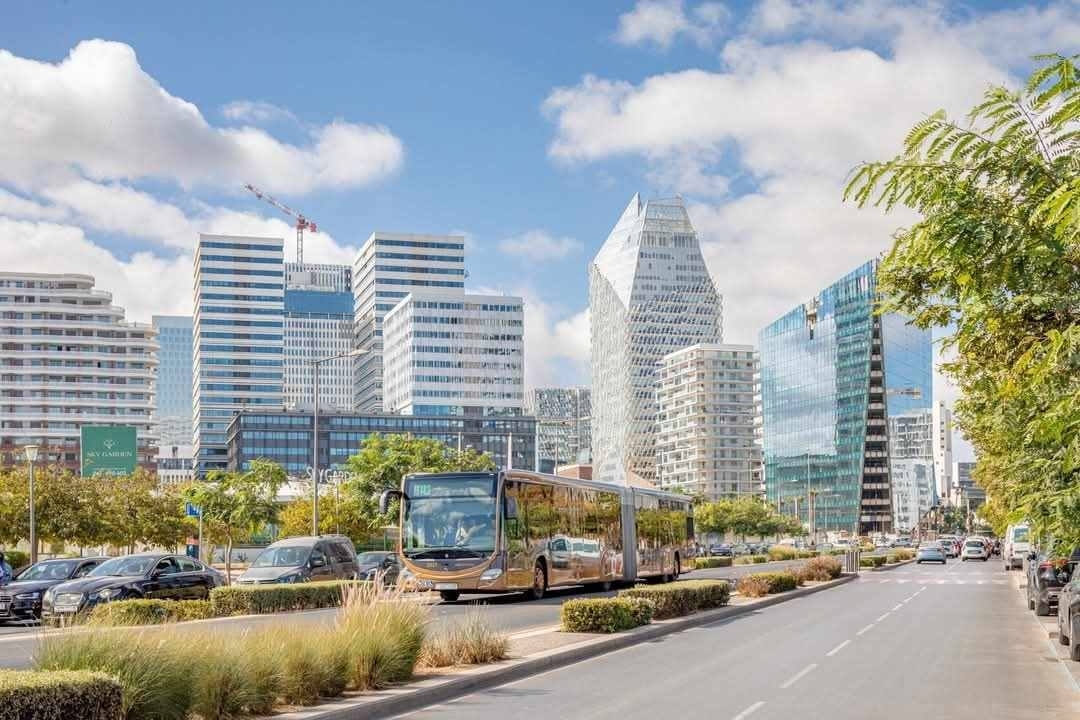
It sits right on the edge of the Atlantic Ocean—part of its floor is even made of glass so worshippers can kneel over the sea. The craftsmanship involving marble, wood, and tile is incredible and represents the peak of modern Moroccan architecture.
Why should you explore the Atlas Mountains?
Just a short drive from Marrakech, the High Atlas Mountains offer breathtaking views and a chance to visit local Berber villages. The air is cool, and the scenery is lush compared to the dry plains below. If you are active, you can hike to the top of Mount Toubkal, the highest peak in North Africa.
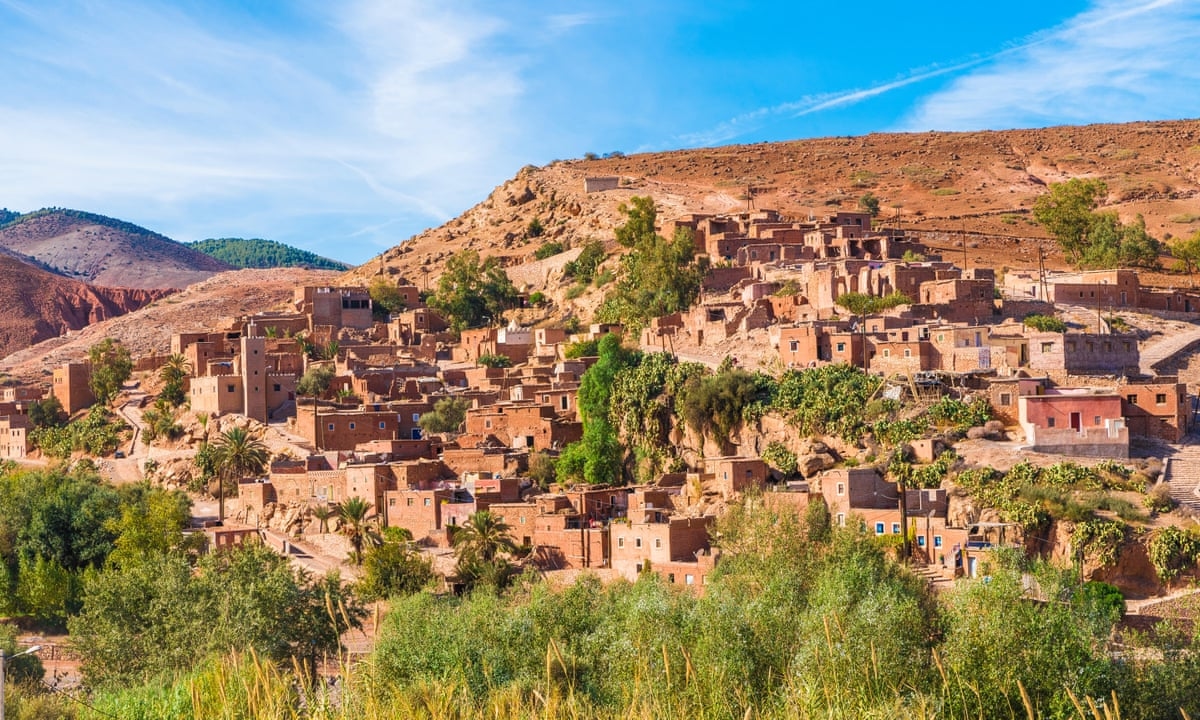
Even if you aren't a serious hiker, a simple day trip to the Ourika Valley or the Ouzoud Waterfalls provides a refreshing break from the city heat. These areas offer a peek into the rural side of Morocco, where life moves at a much slower pace.
What is the best time of year to visit Morocco?
The "sweet spots" are Spring (March to May) and Autumn (September to November). During these months, the weather is pleasantly warm but not scorching, making it ideal for both city exploring and desert trekking.
Winter can be lovely in the south, but keep in mind that the mountains will be covered in snow and desert nights can drop below freezing. Summer (July and August) can be extremely hot, especially in the interior cities like Marrakech and Fes, so those months are best spent on the coast in places like Agadir or Essaouira.
Preparing for Your Journey: The Practical Side
Before you can start sipping mint tea in the desert or bargaining for spices in the souks, you need to make sure your paperwork is in order. Most international visitors require a valid travel document to enter the country. Depending on your nationality, you might need a Moroccan Tourist Visa before you board your flight. Checking your requirements early ensures that your dream vacation doesn't get delayed at the airport.
Why Choose Us for Your Moroccan Visa?
Navigating government websites can be confusing and time-consuming. We simplify the entire process so you can focus on packing your bags and planning your route.
Reliable Travel Visa Services: Our global approach has successfully assisted thousands of travelers in obtaining their visas without the stress. We understand the nuances of the application process.
Round-the-Clock Assistance: Travel planning doesn't happen 9-to-5. Reach out to us 24/7, and our dedicated experts will respond within 72 hours to any query you might have.
Experienced Visa Consultants: Don't risk a rejection due to a simple mistake. Receive expert guidance to ensure your application meets all requirements for a high success rate.
Efficient Visa Application Process: Why spend hours on paperwork? Apply for your visa in minutes with our simplified, user-friendly form designed for modern travelers.
Ready to start your adventure in the Land of Spice? Apply for your Moroccan Tourist Visa here and get one step closer to the trip of a lifetime!