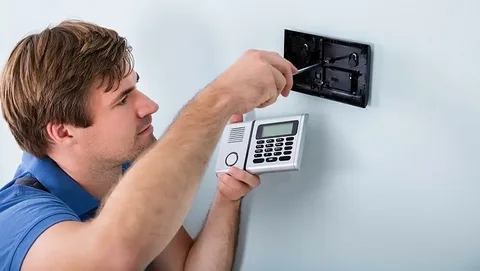
Achieving a sense of security in your home begins with ensuring that appropriate safeguards are established. Security alarms play a crucial role in deterring intruders, alerting residents to unusual activity, and providing reassurance when the house is unoccupied. Nonetheless, selecting the appropriate alarm system is just one aspect; the locations where each component is set up hold significant importance. Professional burglar alarm installation services in Stockport can help homeowners identify weak spots and place sensors effectively. A thoughtfully designed alarm system adds layers of security tailored to your home's layout and your family's daily habits, from main doors to upstairs windows.
Securing the Most Recognisable Access
The main entrance should be a top priority in any home security plan. Because it's a frequent entry point for household members and guests, an appropriate alarm contact sensor here can detect when the door opens while the system is armed. Door contacts are typically mounted on the door and its frame, so they can detect when they separate. Depending on the system's specifications, a motion detector in the entry hallway can add extra security. However, you must account for pets, regular movement, and the family's routine comings and goings to minimise false alarms.
Addressing Hidden Vulnerabilities
Despite the focus on main entrances, back doors and patio exits are often neglected. These locations may not be easily visible from the street, making it crucial to incorporate them into a comprehensive security strategy. Installing contact sensors on rear doors and accessible patio access points ensures these entries are monitored. Don't overlook sliding doors, especially those leading to a garden or private outdoor space. Depending on the specific property, additional motion sensors nearby may enhance security coverage. Homeowners should also keep these areas well lit and ensure doors and locks are in optimal condition.
Windows on the Ground Level: Monitoring Quieter Entry Points
Ground-floor windows can present potential entry points, especially when obscured by fences, plants, or extensions. Alarm sensors can effectively monitor these at-risk areas and notify residents when a secured window is opened. Contact sensors are ideal for operable windows, while suitable glass-break sensors may add further security in specific rooms. Extra attention should be given to large windows, conservatories, and easily accessible side windows. The optimal setup will vary depending on the window type and the alarm system being utilised. It is advisable to avoid placing sensors where they could be obstructed by curtains, furniture, or daily household activities.
Building an Interconnected Safety Network
Safeguarding individual entries is crucial, but an effective home alarm system can also benefit from strategically placed motion sensors throughout the interior. Hallways connecting entries to bedrooms or other living spaces are excellent spots because they typically offer unobstructed visibility of movement. Living areas with multiple accessible windows can also benefit from enhanced detection, especially when linked to less secure parts of the dwelling. However, it is essential to place detectors according to the brand's recommendations and keep them away from sources that may trigger false alarms. If you have pets, choose compatible sensors, or consult a skilled installer about options that accommodate them without causing issues.
Garages and Side Entrances: Securing the Spaces We Forget
Garages, utility areas, and side entrances can frequently be neglected when planning for home security. Nevertheless, these areas may house valuable tools, bicycles, or equipment, or they may offer direct access to the main living area. Consider placing contact sensors on garage doors and exterior side entrances, with additional motion detection where needed. If the garage connects to the house, monitoring that linking door can improve security. Alarm systems should also suit the environmental conditions in each area, particularly where temperature, dust, or humidity could affect performance. A professional evaluation can aid in identifying which sensors are appropriate and where they ought to be installed.
Conclusion
The most successful home alarm systems are tailored to the specific property rather than implemented through a generic method. Before installing, analyse your home's layout, your daily activities, and any areas that may be hard to monitor from outside. Regularly check the system, replace batteries as needed, and follow the manufacturer's guidelines. With careful planning and expert advice, security alarms can offer reliable protection while enabling your household to feel at ease, assured, and safe.