Yoga offers different ways to explore physical well-being, mental clarity, and personal development. For someone planning a yoga-focused trip, two popular options are yoga retreats and yoga teacher training programmes.
At first glance, both experiences may appear similar. They often include daily yoga sessions, meditation, healthy meals, and opportunities to spend time in peaceful surroundings. However, their objectives, schedules, learning methods, and overall commitments are quite different.
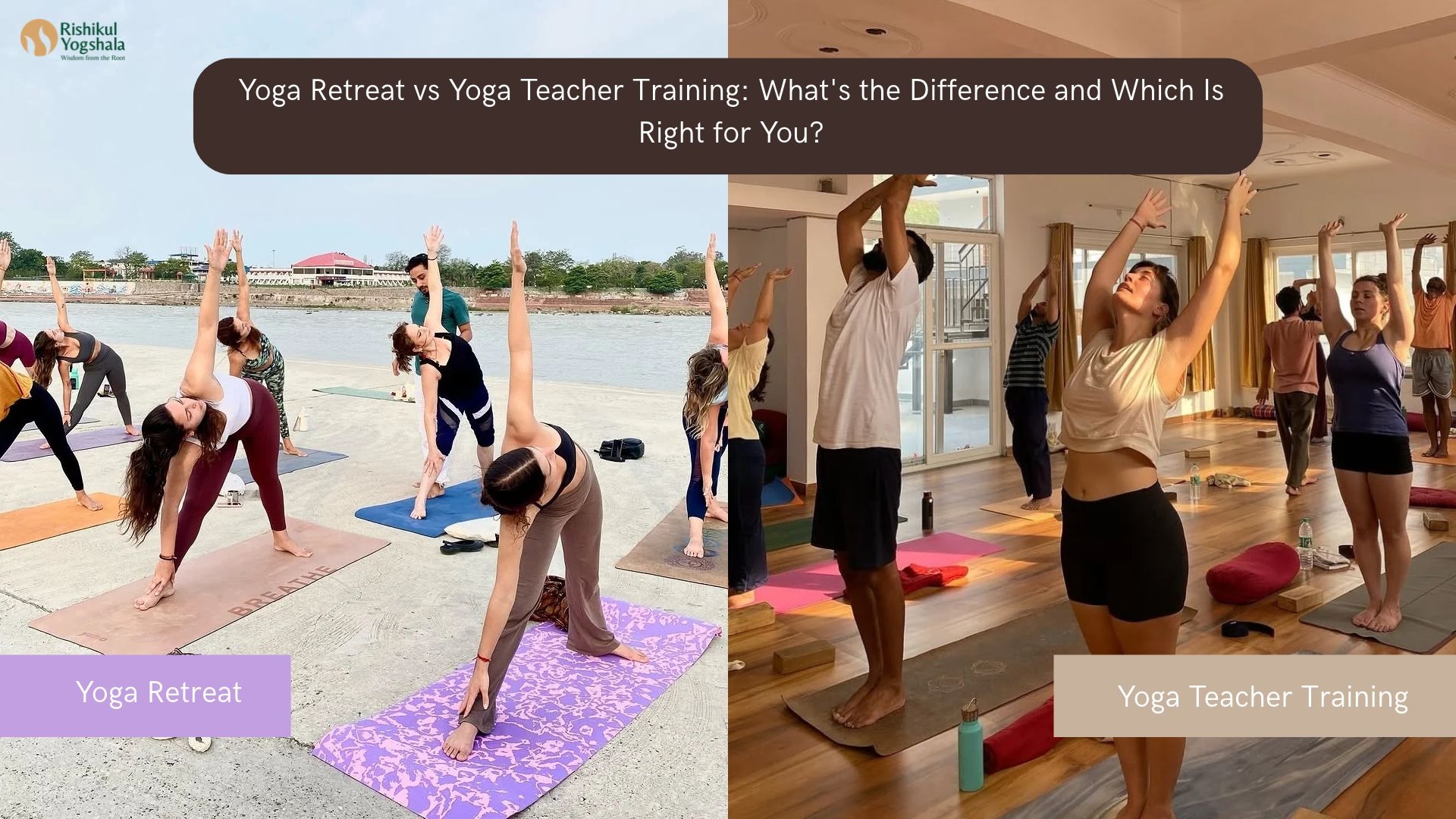
A yoga retreat is generally designed to help participants relax, reconnect with themselves, and enjoy guided wellness activities. Teacher training, on the other hand, provides a structured education for people who want to understand yoga in greater depth and potentially teach it professionally.
Understanding these differences can help you choose an experience that matches your interests and expectations.
What Is a Yoga Retreat?
A yoga retreat is a planned wellness experience that allows participants to step away from their regular routines and spend time focusing on their well-being.
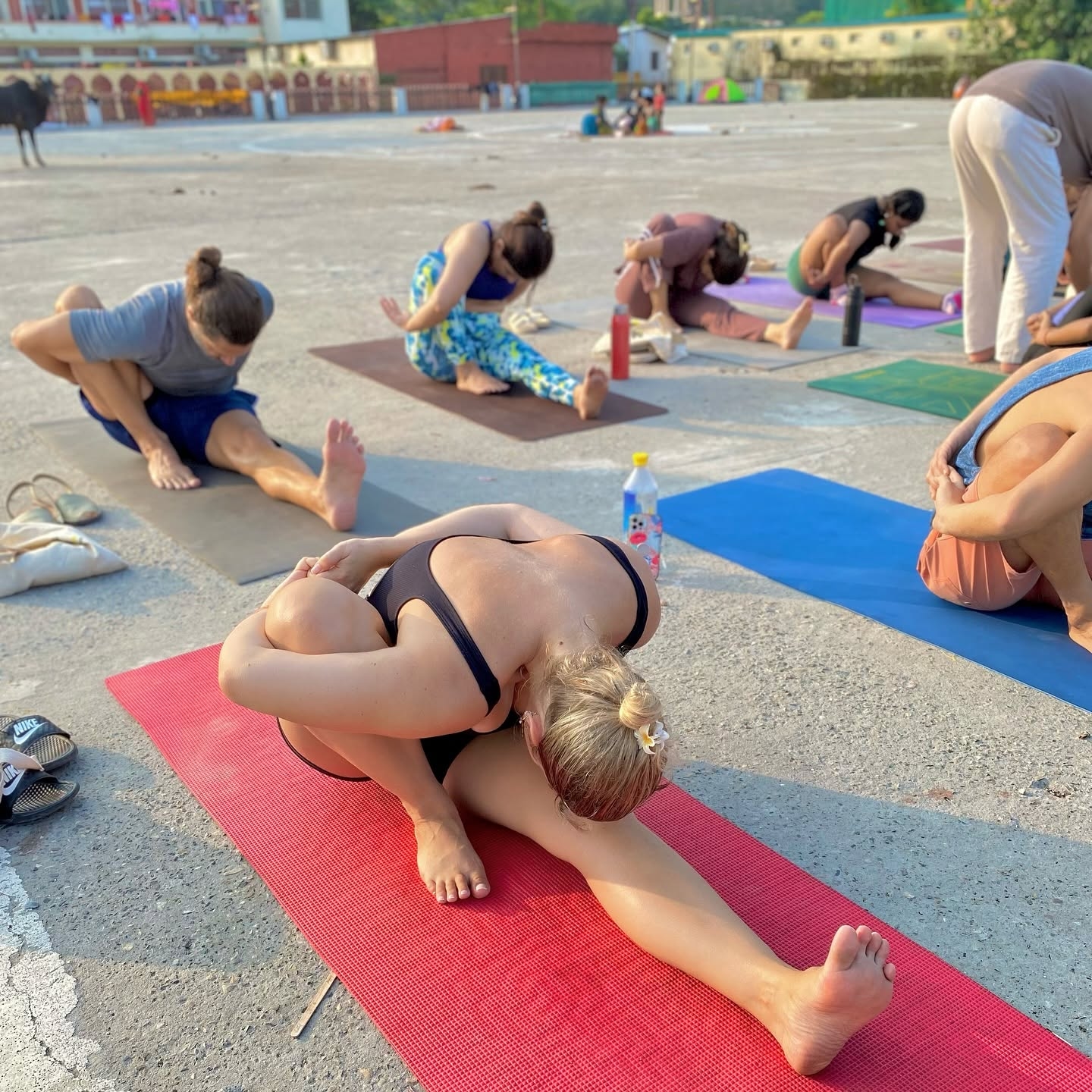
Retreats are often organised in peaceful destinations such as mountains, beaches, forests, or traditional yoga centres. Their schedules may include morning yoga, meditation, breathing exercises, relaxation sessions, and other activities related to wellness.
The main purpose is to provide a change of environment and create space for rest and self-reflection.
Retreats are generally suitable for people who want to improve their daily routine, explore yoga, reduce everyday distractions, or simply enjoy a few days dedicated to themselves.
What Can You Expect During a Yoga Retreat?
The structure varies depending on the organiser and duration, but a typical retreat may include:
Morning Hatha or gentle Vinyasa yoga.
Guided meditation and pranayama.
Relaxation or Yoga Nidra sessions.
Nutritious and balanced meals.
Nature walks or cultural experiences.
Free time for personal reflection.
Workshops related to mindfulness or holistic wellness.
Some retreats are beginner-friendly, while others focus on particular yoga styles or levels of practice. Participants should always check the programme before booking.
A retreat generally does not require students to complete examinations or demonstrate teaching skills.
What Is Yoga Teacher Training?
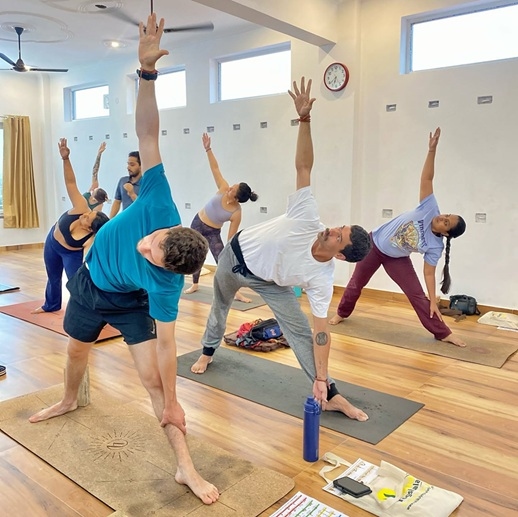
Yoga teacher training is a structured educational programme designed to help students understand yoga beyond physical postures. It combines practical sessions with theoretical learning, covering areas such as asanas, pranayama, meditation, yoga philosophy, anatomy, and teaching methodology.
A 200 hour yoga teacher training in rishikesh is a common starting point for those who want to develop a strong foundation in yoga and learn how to guide others safely. The course generally includes regular practice, classroom discussions, self-study, and opportunities to develop teaching skills.
Although many people join with the intention of becoming yoga instructors, teacher training can also benefit those who simply want to deepen their personal practice and understand the traditional principles of yoga.
What Do Students Learn During Teacher Training?
A comprehensive programme may cover:
Hatha Yoga and Ashtanga Vinyasa.
Asana practice and alignment.
Pranayama and breathing techniques.
Meditation and concentration.
Yoga philosophy and the Yoga Sutras.
Anatomy and physiology.
Teaching methodology and class sequencing.
Practical teaching and student feedback.
Yogic lifestyle and ethical principles.
Students are also introduced to the responsibilities of teaching different people safely and respectfully.
Yoga Retreat vs Teacher Training: The Main Differences
Although both experiences may take place in the same destination, their purposes are different.
1. Purpose
A retreat focuses mainly on personal well-being, relaxation, and the experience of practising yoga in a different environment.
Teacher training focuses on education, skill development, and understanding the theory and practice required to guide others.
2. Duration
Retreats may last a weekend, several days, or a few weeks. Teacher training programmes generally require a longer and more structured commitment.
A 200-hour programme often takes several weeks when completed as an intensive residential course.
3. Daily Schedule
Retreat schedules usually include yoga sessions, wellness activities, meals, and free time.
Teacher training follows a more disciplined timetable with practical classes, lectures, independent study, and teaching practice.
4. Learning Intensity
Retreat participants can usually practise according to their comfort and experience.
Teacher training students are expected to study multiple subjects, participate in assessments, and progressively develop their practical skills.
5. Certification
A retreat may provide a participation certificate, depending on the organiser, but it is not a professional yoga teacher qualification.
A recognised teacher training programme follows a defined curriculum and may offer a qualification that allows graduates to pursue registration with a relevant professional organisation, subject to its requirements.
Who Should Choose a Yoga Retreat?
A yoga retreat may be the right choice if you:
Want a break from a busy lifestyle.
Prefer a relaxed approach to yoga.
Want to explore meditation and pranayama.
Are interested in wellness without professional commitments.
Have limited time available.
Want to experience a yoga destination before making a longer commitment.
It is also a good option for people who are curious about yoga but are not yet certain whether they want to pursue formal training.
Who Should Choose Yoga Teacher Training?
Teacher training may suit you if you:
Want to understand yoga beyond physical exercise.
Are interested in teaching yoga professionally.
Want a structured study of yoga philosophy and anatomy.
Wish to develop personal discipline and a consistent practice.
Enjoy learning in an immersive environment.
Are ready to commit time to study and practical assessments.
You do not necessarily need to be an advanced practitioner. Many foundational programmes welcome students with different levels of experience, although individual schools may have specific preparation recommendations.
Why Rishikesh Is a Popular Destination for Both Experiences
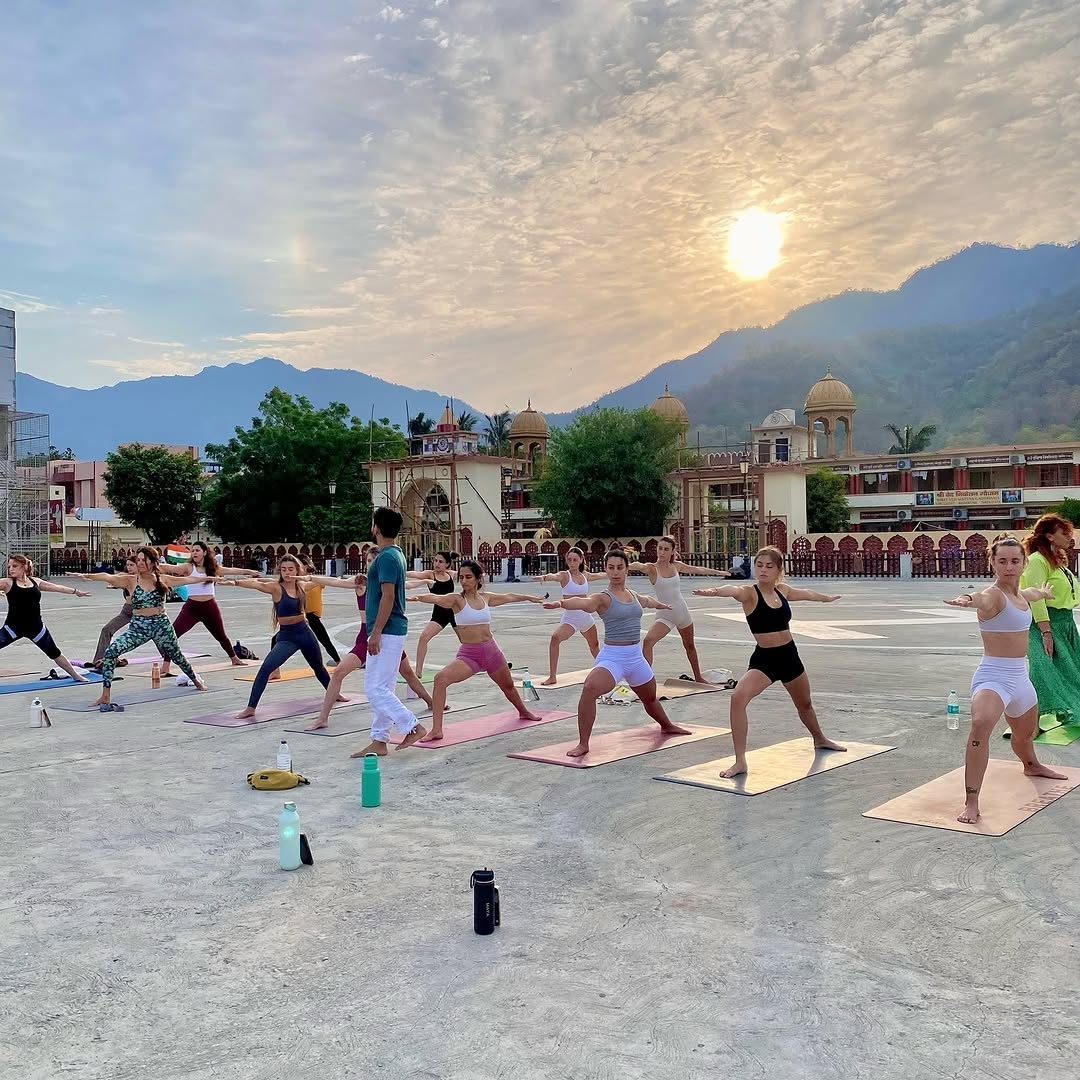
Rishikesh has a long association with yoga, meditation, and spiritual learning. Located along the Ganga and surrounded by the Himalayan foothills, the city attracts students and wellness travellers from different parts of the world.
Its yoga centres offer a variety of experiences, from short meditation retreats to intensive residential teacher training.
Students interested in a 200 hour yoga teacher training in rishikesh can explore traditional yoga practices while learning in an environment closely connected with India's yogic heritage.
The learning experience may include Hatha Yoga, Ashtanga Vinyasa, pranayama, meditation, anatomy, and classical yoga philosophy. This combination provides a broader understanding of yoga than physical postures alone.
For those comparing programmes, a 200 hour yoga teacher training course in rishikesh should be evaluated according to its curriculum, instructor experience, practical teaching opportunities, accommodation, and certification details.
Rishikul Yogshala Rishikesh offers both structured teacher training programmes and shorter wellness experiences, allowing students to explore different approaches to yoga. Its training curriculum includes traditional practices alongside anatomy and teaching methodology.
When researching yoga teacher training india options, it is useful to distinguish between a wellness holiday and a professional educational programme. The right choice depends on what you want to gain from the experience.
Can You Start With a Retreat Before Joining Teacher Training?
Yes. A retreat can be a useful introduction to a more regular yoga lifestyle.
It allows you to experience guided sessions, understand different teaching styles, and discover whether you enjoy practising in a group environment.
However, a retreat is not a compulsory step before teacher training. If you already have a clear interest in studying yoga and are comfortable with an intensive schedule, you can directly explore a foundational course.
Some people also choose a retreat after completing teacher training to maintain their personal practice without the pressure of academic study.
Questions to Ask Before Booking
Before selecting either experience, consider the following:
What is the main purpose of the programme?
Is it suitable for my current level of experience?
What yoga styles and subjects are included?
How many hours of practice are scheduled each day?
Are meals and accommodation included?
Who will conduct the sessions?
Does the programme offer a professional qualification or only a participation certificate?
Are there opportunities for individual guidance?
Clear answers to these questions can prevent confusion and help you choose a programme that meets your needs.
Final Thoughts
Yoga retreats and teacher training programmes offer valuable but different experiences. A retreat provides space for relaxation, exploration, and personal well-being, while teacher training requires a deeper commitment to study, practice, and skill development.
Neither option is universally better. The right choice depends on your goals, available time, and willingness to engage in a structured learning process.
If you want a refreshing break, a retreat may be ideal. If you want to understand yoga in depth and eventually become a yoga teacher in india, a teacher training programme may be the more suitable path.
Take time to understand what each experience offers. When your choice matches your intention, the journey becomes more meaningful.