Introduction
Yoga offers many different ways to improve physical fitness, develop flexibility, and create a better connection between the mind and body. However, if you are new to yoga, choosing the right style can sometimes feel confusing. You may come across different names such as Hatha, Vinyasa, Ashtanga, Yin, and Kundalini yoga, each offering a slightly different approach to practice.
Among these styles, Hatha and Vinyasa are two popular choices for people who want to develop a regular yoga routine. Both include physical postures and breathing techniques, but the way they are practised can be quite different. One generally focuses on a slower approach to postures, while the other connects movements through a continuous flow.
Understanding these differences can help you select a practice that matches your fitness level, personal interests, and daily routine. It is also useful knowledge for anyone exploring Yoga Teacher Training in Bali, where understanding different yoga traditions and teaching methods can become an important part of their learning experience.
What Is Hatha Yoga?
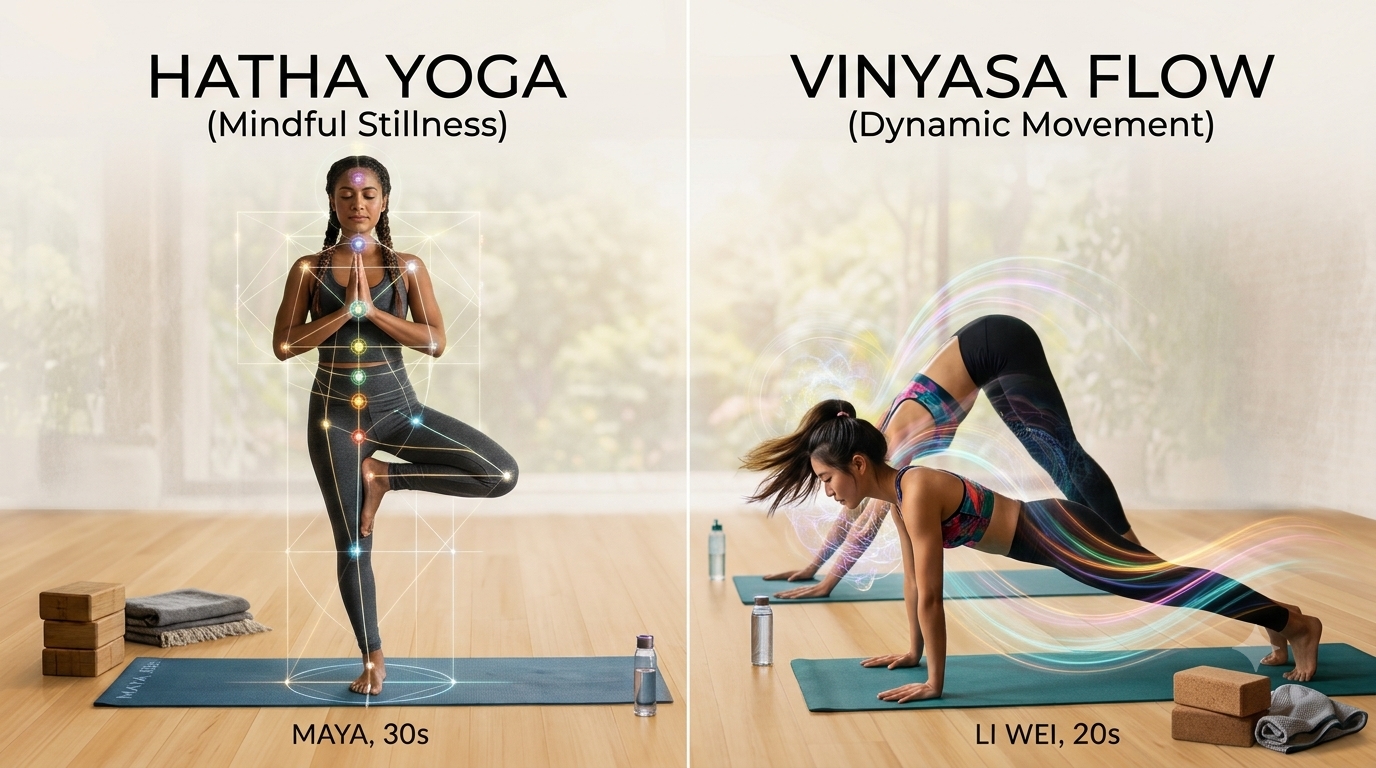
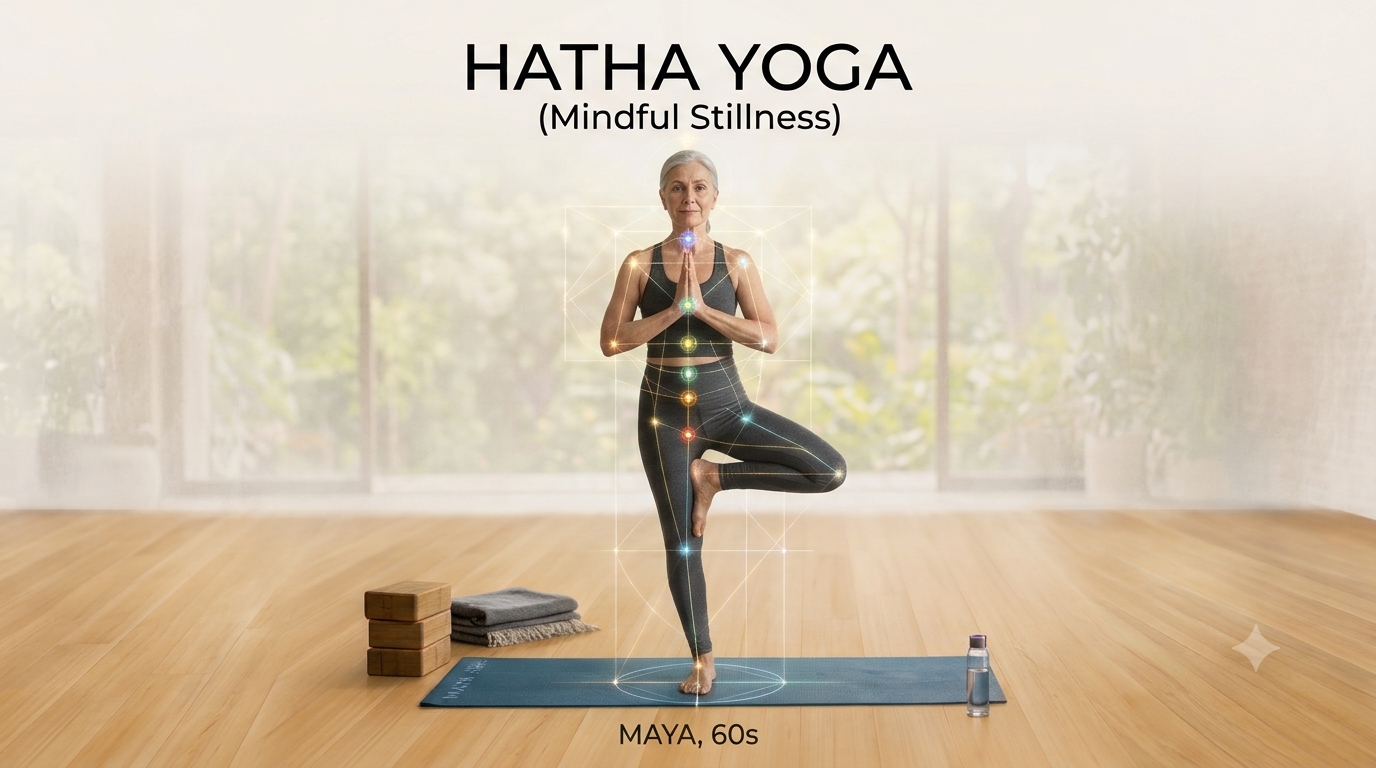
Hatha yoga is a broad tradition of yoga that includes physical postures, breathing practices, and preparation for meditation. In many modern yoga studios, however, the term Hatha is used to describe classes that move at a slower pace, with students spending more time learning and holding individual postures.
A typical Hatha class may include a short breathing exercise, gentle warm-up movements, standing postures, seated stretches, and relaxation.
The teacher usually gives students time to understand body alignment and become familiar with each position. Beginners may find this approach helpful because they have more opportunities to understand how a posture works before moving to the next one.
Hatha yoga is not necessarily easy or effortless. Some postures require considerable strength, balance, and flexibility. The main difference is that the practice usually provides more time to explore each movement.
What Is Vinyasa Yoga?
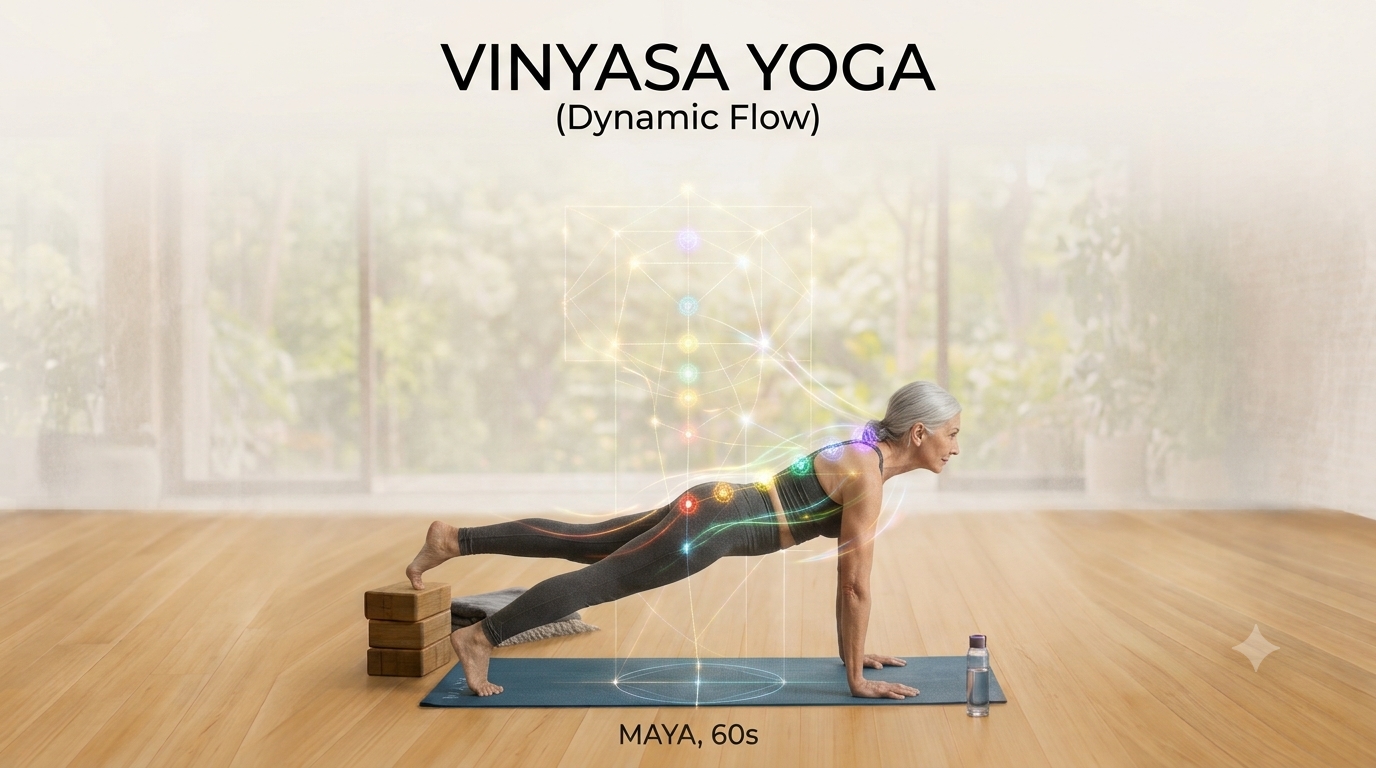
Vinyasa yoga connects physical movements with breathing. Instead of practising every posture separately, students move from one position to another in a coordinated sequence.
For example, a teacher may guide students through a sequence involving plank, lowered push-up, upward-facing dog, and downward-facing dog. Breathing is coordinated with each transition.
Unlike some traditional yoga sequences that follow a fixed structure, Vinyasa classes can vary considerably depending on the teacher and the purpose of the session.
A class may include standing postures, balancing movements, backbends, forward folds, and seated stretches. Some sessions are gentle, while others can be physically demanding.
The continuous movement makes Vinyasa an interesting option for people who enjoy an active practice.
1. Differences In Practice And Movement
The most noticeable difference between Hatha and Vinyasa is the way students move through their practice.
In a typical modern Hatha class, students spend more time in individual postures. The teacher may explain where to position the feet, how to align the spine, and how to maintain comfortable breathing.
In Vinyasa, the teacher creates a sequence in which one posture flows into another. Students coordinate their movements with inhalations and exhalations.
Neither approach is automatically better. Someone who enjoys a slower learning experience may prefer Hatha, while someone who likes continuous movement may enjoy Vinyasa.
2. Differences In Pace And Intensity
Hatha classes are generally slower than many Vinyasa classes. This gives participants more time to understand movements and make adjustments.
Vinyasa classes can involve more continuous physical activity. Depending on the sequence, students may move through several standing postures, balancing positions, and transitions without long pauses.
However, class intensity depends on the teacher, sequence, and individual modifications.
A gentle Vinyasa class may be less demanding than a challenging Hatha session. Therefore, it is always helpful to ask the instructor about the class structure before attending.
3. Breathing Techniques
Breathing is important in both styles, but the way it is used can feel different.
Hatha yoga often includes separate pranayama exercises alongside physical postures. Students may spend time practising controlled breathing before or after their asana session.
Vinyasa yoga places particular emphasis on coordinating breath with movement. Inhalation may accompany an upward or opening movement, while exhalation may accompany a folding or closing movement.
This coordination helps students maintain awareness throughout their practice.
Beginners should remember that breathing should remain comfortable. There is no need to force long inhalations or exhalations to keep up with a sequence.
4. Physical Benefits Of Hatha Yoga
Hatha yoga can support several aspects of physical fitness when practised regularly.
Holding postures for a period of time may help develop muscular endurance. Standing poses can challenge balance, while stretching movements may improve flexibility and mobility.
The slower pace also allows students to become more aware of their alignment and movement habits.
A medical review published in American Family Physician describes Hatha yoga as a potentially accessible physical practice and discusses research suggesting benefits for mental health, physical fitness, and certain aspects of physical functioning.
5. Physical Benefits Of Vinyasa Yoga
Vinyasa yoga can provide a more dynamic physical experience.
Continuous sequences may challenge the muscles of the arms, legs, shoulders, and abdomen. Standing postures and transitions can also require coordination and balance.
Depending on the pace, a Vinyasa session may increase heart rate more than a slower yoga class.
However, Vinyasa should not be treated as a replacement for every form of cardiovascular or strength training. Its physical demands depend on the sequence, duration, and individual ability.
6. Which Style Is Better For Beginners?
Both styles can be suitable for beginners if the class is appropriately structured.
Hatha yoga may be a comfortable starting point for people who want additional time to understand basic postures and alignment.
Vinyasa can also be suitable for beginners when teachers offer clear instructions, simpler sequences, and modifications.
If you are completely new to yoga, start with a beginner-friendly class rather than choosing based on the name alone.
Tell your instructor about previous injuries or physical limitations. A qualified teacher should help you understand suitable modifications and encourage you to work within your comfort level.
7. Which Style Is Better For Stress Relief?
Both Hatha and Vinyasa can encourage mindfulness and help people take a break from everyday distractions.
Hatha's slower pace may appeal to people who prefer quiet movement, longer posture holds, and more time for breathing awareness.
Vinyasa can help people focus on coordinating movements with breathing, creating a moving meditation experience.
The best choice depends on your personal response. Some people find slow practices more relaxing, while others enjoy the mental focus required by a flowing sequence.
8. Which Style Should You Choose For Your Lifestyle?
Consider your schedule, physical ability, and personal preferences.
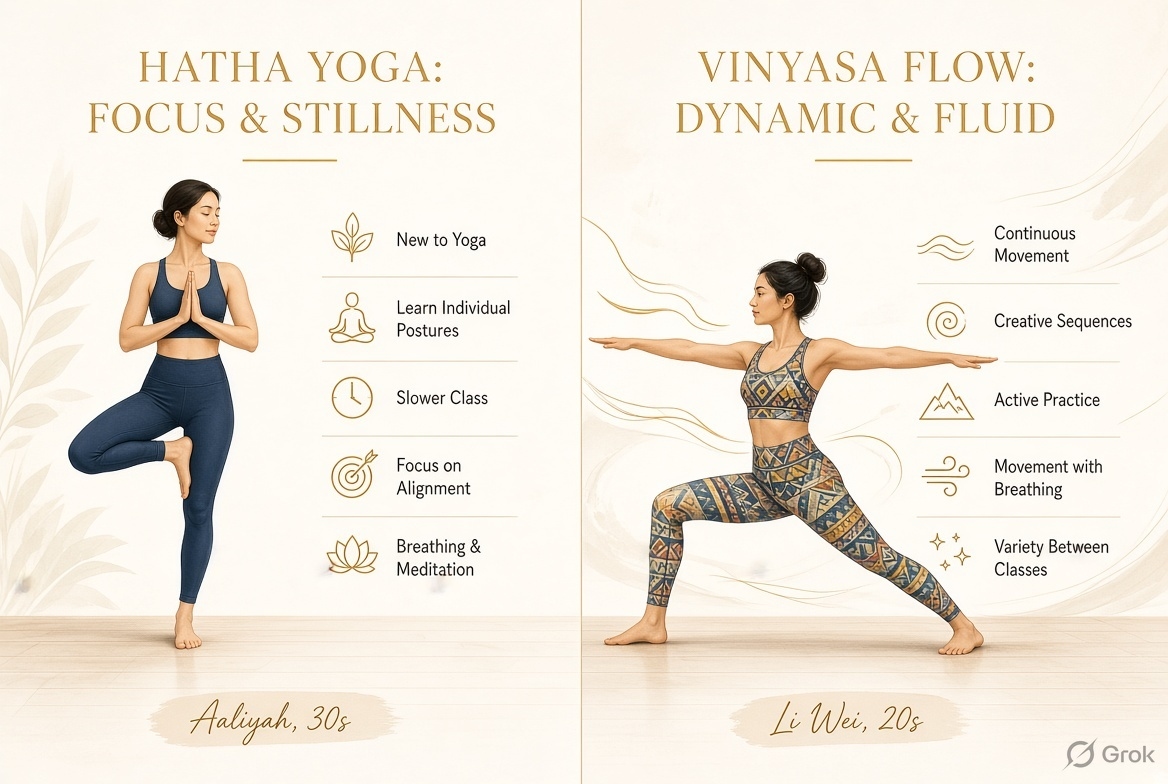
Hatha may be suitable if:
You are new to yoga.
You enjoy learning individual postures.
You prefer a slower class.
You want more time to focus on alignment.
You enjoy combining movement with breathing and meditation.
Vinyasa may be suitable if:
You enjoy continuous movement.
You like creative yoga sequences.
You want a more active practice.
You enjoy coordinating movement with breathing.
You prefer variety between different classes.
You can also practise both styles. They do not need to be competing choices.
9. Learning Both Styles Through Yoga Teacher Training
Understanding different yoga styles can help students develop a broader perspective on physical practice and teaching.
A Yoga Teacher Training Bali programme may include Hatha and Vinyasa asana practice, pranayama, anatomy, philosophy, and teaching methodology. However, the actual curriculum differs between schools.
A 200 Hour Yoga Teacher Training Bali programme can provide a foundation in yoga practice and instruction, helping students understand how to demonstrate postures, plan sequences, and guide different types of practitioners.
Students interested in Yoga Teacher Training in Bali should compare the amount of time dedicated to each yoga style and check whether the course includes supervised teaching practice.
10. Can You Combine Hatha And Vinyasa Yoga?
Absolutely. Combining both styles can bring variety to your weekly routine.
For example, you might practise Hatha twice a week to focus on posture awareness and slower movements, then include one or two Vinyasa sessions for flowing sequences.
You can also adjust your practice according to your energy levels. On days when you feel tired, a gentle session may be more appropriate than an intense flow.
Consistency and comfortable movement are more important than following a rigid schedule.
Conclusion
Hatha and Vinyasa yoga offer different experiences, but both can become valuable parts of a regular yoga routine. Hatha provides more time to explore individual postures, while Vinyasa connects movement and breathing through flowing sequences.
Rather than deciding which style is universally better, consider what makes you feel comfortable, motivated, and interested in continuing your practice. You can even explore both and discover how they complement each other.
If you want to learn more about yoga traditions, teaching methods, and residential wellness experiences, Bali Yoga Retreats provides information about yoga learning opportunities and retreat programmes in Bali. Visit Bali Yoga Retreats to explore further.