An auto body vinyl wrap offers a practical way to change a vehicle’s appearance without repainting its entire exterior. Whether you want a bold colour change, a subtle satin finish or a realistic carbon fibre effect, automotive vinyl gives you plenty of creative options.
Car wrapping has become popular among vehicle owners who want a personalised appearance while keeping the original paint underneath in good condition. Businesses also use vehicle wraps to display branding, contact information and promotional graphics.
However, the quality of the finished result depends on more than the colour you choose. Film quality, paint condition, installation technique and regular maintenance all affect the appearance and durability of a wrap.
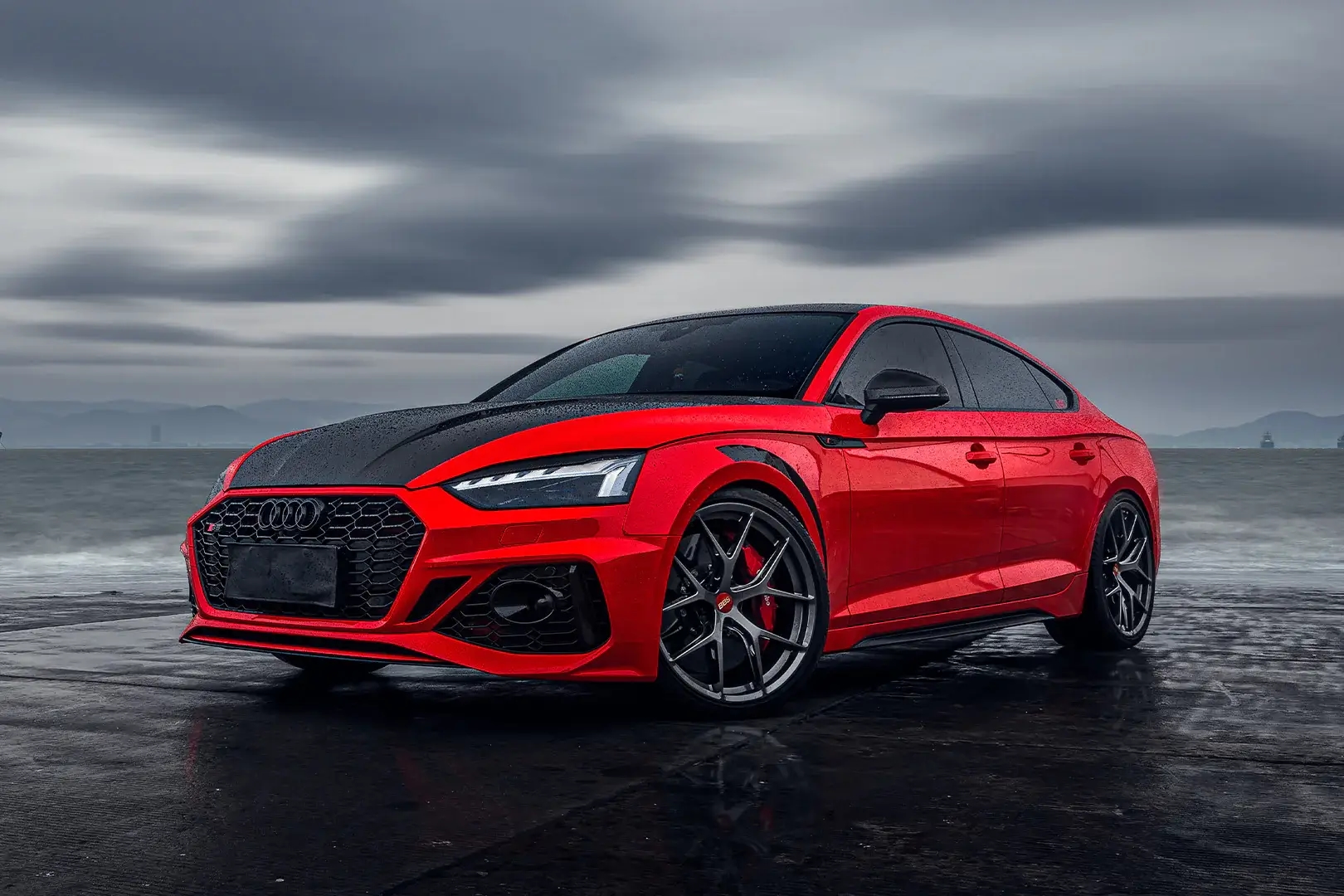
What Is an Auto Body Vinyl Wrap?
An auto body vinyl wrap is a thin, flexible film applied to a vehicle’s exterior panels. Installers use specialised automotive film to cover areas such as the bonnet, doors, roof, boot and bumpers. Depending on the project, a vehicle may receive a complete wrap or a partial application.
Automotive vinyl film comes in numerous colours, textures and finishes. Some products create a smooth, painted appearance, while others imitate brushed metal, carbon fibre or other decorative materials.
Unlike conventional repainting, wrapping does not normally require the installer to apply a new colour directly to the vehicle’s body. Instead, the film covers the existing finish, provided that the paintwork offers a suitable surface.
Drivers often choose vinyl wrapping to personalise their cars, refresh their appearance or create a distinctive look for a business vehicle. A properly installed wrap can also help shield the underlying paint from minor surface abrasion and everyday exposure, although it does not provide the same protection as every dedicated paint protection film.
Popular Auto Body Vinyl Wrap Styles
Common finishes include glossy colours, matte surfaces, satin tones and textured decorative films.
Gloss Vinyl Wrap
Gloss vinyl creates a reflective finish similar to polished automotive paint. Black, white, red and blue are popular choices for drivers who want a clean, vibrant appearance.
This finish works particularly well on vehicles with flowing body lines because reflections highlight the shape of the panels. However, gloss surfaces can show fingerprints, scratches and dirt more clearly than some textured finishes.
Matte Vinyl Wrap
Matte vinyl creates a smooth appearance with minimal reflection. It suits modern sedans, sports cars and SUVs, especially when paired with dark wheels or contrasting exterior details.
Matte finishes need appropriate cleaning methods because polishing products can create unwanted shine and uneven patches.
Satin and Metallic Finishes
Satin vinyl sits between gloss and matte, offering a soft sheen without strong reflections. Metallic films add visual depth through reflective particles or specialised surface effects.
These finishes work well for drivers who want something distinctive without choosing an extremely bright colour.
Carbon Fibre and Textured Wraps
Carbon fibre effect film features a patterned surface inspired by woven carbon fibre. It is commonly used on bonnets, mirrors, dashboards and selected exterior trim.
Other textured options include brushed metal, forged carbon effects and colour shifting films. Their appearance varies according to lighting, viewing angle and material quality.
Key Benefits of Automotive Vinyl Wrapping
Customise Your Vehicle
Vinyl wrapping gives drivers considerable freedom to personalise their vehicles. You can choose a completely different colour, combine contrasting finishes or wrap selected panels to create a two tone design.
For example, a white vehicle with a black roof and mirror caps can achieve a sportier appearance without changing every exterior panel.
Help Preserve the Original Paint
A suitable wrap can reduce direct exposure to sunlight, light abrasion and minor surface marks while it remains intact. The level of protection depends on the film, its thickness, installation quality and the vehicle’s use.
Vinyl should not be treated as a guarantee against stone chips, deep scratches or collision damage. Dedicated paint protection film may suit drivers who prioritise impact resistance.
The condition of the original paint also matters. Loose paint, corrosion and damaged clear coats can complicate installation and removal.
Support Business Advertising
Commercial vehicle wraps turn cars, vans and fleets into mobile advertising displays. Businesses can use branded graphics, logos and contact details to improve visibility while travelling or parked.
A consistent design across several vehicles can also help a company present a recognisable brand image.
Offer a Different Approach to Repainting
Wrapping can change a vehicle’s appearance without permanently changing the paint colour. This may appeal to owners who want a temporary style change or prefer to retain the original finish.
However, wrapping is not automatically cheaper or more suitable than painting in every situation. Extensive body damage, complex vehicle shapes and premium film selections can increase the work involved.
Types of Automotive Vinyl Film
Choosing the correct film is essential for a professional result. Automotive wrapping products differ in flexibility, adhesive performance, conformability and intended lifespan.
Cast Vinyl Film
Manufacturers produce cast vinyl from liquid material that forms a thin film during manufacturing. Automotive installers commonly use it for full vehicle wraps because it generally conforms well to complex curves and recessed areas.
Its flexibility makes it suitable for many challenging body panels when the manufacturer approves the intended application.
Calendared Vinyl Film
Calendared vinyl passes through rollers during manufacturing. It often works well for flatter surfaces, simpler graphics and selected vehicle applications.
Some calendared products may shrink or perform differently on complex curves compared with premium cast films. Always check the product specifications before using this material for a complete vehicle wrap.
Colour Change and Printed Film
Colour change films provide solid colours, metallic effects and decorative finishes without requiring a printed design.
Printed vinyl allows businesses and individuals to display custom artwork, photographs, patterns and logos. The installer must also consider the print quality, protective laminate and outdoor durability when selecting a product for a vehicle.
How to Install an Auto Body Vinyl Wrap
Step 1: Inspect and Prepare the Vehicle
Inspect the paintwork for rust, scratches, dents, peeling clear coat and previous repairs. Address significant defects before wrapping because vinyl cannot conceal every imperfection.
Wash the vehicle thoroughly and remove grease, wax, road contamination and other residues using suitable products. Dry the panels completely, paying particular attention to panel edges, handles and trim.
Step 2: Measure and Plan the Film
Measure each panel and allow sufficient material for edges, curves and trimming. Plan the direction of the colour or texture so the finished vehicle looks consistent from one panel to the next.
Complex bumpers, mirrors and recessed areas often require additional material and careful planning.
Step 3: Position the Vinyl
Remove the release liner gradually and position the film over the panel. Automotive films with air release channels can make it easier to move trapped air towards the edges.
Avoid stretching the material unnecessarily because excessive tension can distort the finish or cause the film to lift later.
Step 4: Apply the Film to the Body Panels
Use an appropriate squeegee to press the vinyl onto the surface. Work systematically across the panel, smoothing the film while following the manufacturer's application instructions.
Curves and recessed areas require careful handling. Installers may use controlled heat when the product permits it, but excessive heat can damage the film or affect its long term performance.
Step 5: Trim and Finish the Edges
Trim excess material carefully around door handles, lights, mirrors and panel edges. Where practical, tuck the film neatly around edges to create a clean appearance.
Check seams, corners and recessed areas for trapped air, wrinkles and excessive tension. Follow the film manufacturer's post heating requirements where applicable.
Step 6: Complete the Final Inspection
Inspect the vehicle under good lighting and check every wrapped panel. Confirm that the edges adhere correctly and that the film does not interfere with door operation, sensors, lights or other vehicle equipment.
Follow the manufacturer's recommendations for curing, cleaning and returning the vehicle to normal use.
How to Maintain a Vinyl Wrapped Car
Proper care helps maintain the colour, finish and adhesion of automotive vinyl.
Wash the vehicle regularly using a gentle automotive cleaning solution and a soft microfibre cloth. Remove bird droppings, tree sap, fuel spills and other contaminants promptly because prolonged contact can damage some films.
Whenever practical, hand wash the vehicle rather than relying on aggressive cleaning methods. If you use a pressure washer, follow the film manufacturer's guidance for nozzle distance, water pressure and direction around the edges.
Avoid abrasive polishing compounds and products that can alter matte or satin finishes. Use cleaning products designed for the particular film.
Parking in a garage or shaded area can reduce prolonged exposure to sunlight and extreme weather. Inspect the wrap periodically for lifting edges, tears and discolouration.
Common Vinyl Wrapping Mistakes to Avoid
Several mistakes can reduce the quality and lifespan of a vehicle wrap.
Ignoring paint damage: Wrapping over peeling paint or corrosion can produce poor adhesion and complicate future removal.
Choosing unsuitable film: Interior decorative vinyl is not a substitute for automotive film designed for exterior conditions.
Stretching the material too far: Excessive stretching can distort patterns and create tension that encourages lifting.
Rushing surface preparation: Dirt, wax and moisture can prevent the adhesive from bonding correctly.
Using the wrong cleaning products: Harsh chemicals and abrasive tools can damage the film's finish.
Expecting permanent protection: Vinyl can wear, fade or tear. Its performance depends on the material, environment and quality of installation.
How to Choose the Right Auto Body Vinyl Wrap
Start by deciding what you want to achieve. A complete colour change requires a different amount of material and installation work than wrapping a roof, bonnet or mirrors.
Next, compare finishes and product specifications. Consider whether you prefer gloss, matte, satin, metallic or a textured effect. Check the manufacturer's guidance on outdoor durability, conformability, maintenance and removal.
The vehicle's body shape also matters. Deep recesses, complex bumpers and curved panels can require more experienced installation.
If you plan to wrap a commercial fleet, consider how the design will look across different vehicle models and whether printed graphics require a protective laminate.
Finally, review the installer's portfolio and ask about surface preparation, warranty coverage and aftercare. A professional installation should include clear information about the film used and the conditions that affect its performance.
Frequently Asked Questions
1. How long does an auto body vinyl wrap last?
Its lifespan depends on film quality, installation, climate, vehicle storage and maintenance. Some premium films are designed to last several years, but actual performance varies by product and exposure.
2. Does vinyl wrapping damage car paint?
A suitable film applied to sound paint and removed correctly should not normally damage the original finish. However, weak paint, previous repairs, unsuitable adhesives or improper removal can cause damage.
3. Can I wrap my car myself?
Yes, smaller and relatively flat panels may suit beginners. A complete vehicle wrap involves complex curves, edges and recessed areas, so professional installation often produces a more consistent result.
4. Is vinyl wrap better than car paint?
Neither option is universally better. Vinyl suits reversible colour changes and decorative customisation, while repainting may be more appropriate for damaged bodywork or a permanent finish change.
5. Can a vinyl wrap protect against scratches?
Vinyl can help reduce minor surface abrasion, but it does not prevent every scratch or stone chip. Drivers who need stronger impact protection should consider a suitable paint protection film.
6. Can I remove a car vinyl wrap?
Yes, many automotive films can be removed with suitable techniques. The process depends on the adhesive, film age, temperature and paint condition. Professional removal can reduce the risk of damaging the underlying finish.
7. Can I take my wrapped car through a car wash?
Many wrapped vehicles can use suitable car washing facilities, but the film manufacturer's instructions should take priority. Avoid aggressive brushes and cleaning methods that could lift the film at the edges.



