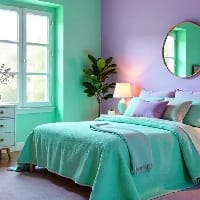
Choosing the right living room color can completely change the look, mood, and atmosphere of your home. Whether you prefer a warm and welcoming space, a modern minimalist look, or a bold and luxurious interior, the right wall color can make all the difference. With so many shades available, selecting the best colors for living room walls can sometimes feel overwhelming. The ideal choice depends on factors such as natural light, room size, furniture, flooring, and your overall interior style. From timeless neutrals to refreshing greens and sophisticated blues, there are plenty of options to create a living room that feels comfortable and stylish.
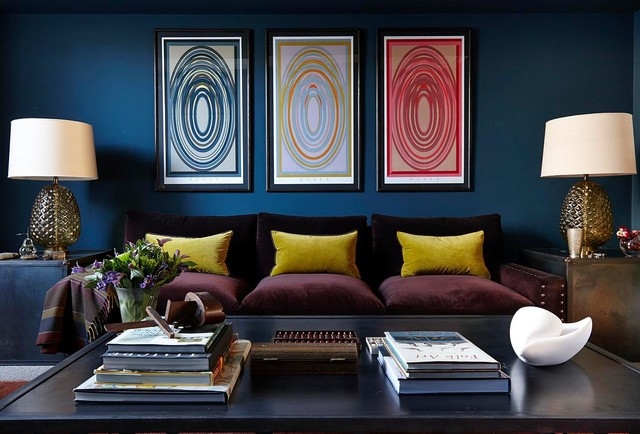
1. Warm White
Warm white is one of the most versatile choices for a living room. Unlike stark white, warm white has subtle beige or cream undertones that create a softer and more inviting atmosphere. It works particularly well with wooden furniture, neutral upholstery, and natural décor. Warm white can also make smaller living rooms appear brighter and more spacious.
2. Beige
Beige remains a popular option for homeowners who want an elegant yet comfortable interior. This neutral shade provides warmth without making the room feel too dark. Beige walls pair beautifully with brown, cream, white, gold, and wooden accents. It is an excellent choice for both traditional and contemporary living rooms.
3. Light Grey
For a modern and sophisticated appearance, light grey is among the best colors for living room interiors. It provides a clean background while allowing furniture and decorative elements to stand out. Light grey works especially well with white, black, navy, wooden, and metallic accents. Choose a warm grey if you want a cozy atmosphere or a cooler grey for a contemporary aesthetic.
4. Soft Blue
Soft blue can bring a sense of calm and freshness to your living room. Pale blue shades work particularly well in rooms with plenty of natural light. They can be combined with white furniture, light wood, cream fabrics, or subtle metallic accessories. If you want your living room to feel peaceful and airy, soft blue is worth considering.
5. Sage Green
Sage green has become a popular interior color because of its natural and relaxing appearance. It brings an earthy character indoors without overpowering the room. Pair sage green walls with wooden furniture, cream upholstery, indoor plants, and natural textures for a balanced look. This shade is particularly suitable for homeowners who want a nature-inspired living space.
6. Olive Green
If you prefer a deeper and more dramatic version of green, olive green can create a sophisticated living room. It works beautifully with beige, cream, brown, brass, and natural wood. Olive green is especially effective when used in rooms with good natural or layered artificial lighting.
7. Peach
Peach can add warmth and personality without becoming too intense. A soft peach shade creates a cheerful and welcoming environment and works well with neutral furniture. Combine it with cream, white, light brown, or muted gold accents for a sophisticated appearance.
8. Terracotta
Terracotta is an excellent choice for homeowners who enjoy earthy and warm interiors. Inspired by natural clay tones, terracotta can make a living room feel cozy and characterful. It pairs well with beige, off-white, brown, olive green, and wooden elements. Consider using it on an accent wall if you want a strong visual statement without covering the entire room.
9. Navy Blue
Navy blue can give your living room a luxurious and dramatic appearance. Because it is a deep shade, it is generally best suited to rooms with sufficient lighting. Navy walls can be balanced with white, beige, grey, brass, or light wooden furniture. For a stylish contemporary interior, navy can be an impressive accent color.
10. Cream
Cream offers the brightness of a light color while providing more warmth than pure white. It can make a living room feel comfortable, elegant, and timeless. Cream walls are easy to coordinate with a wide variety of furniture colors and decorative styles, making them a practical option for long-term interior design.
11. Taupe
Taupe combines elements of grey and brown to create a refined neutral shade. It is a great option when you want something more distinctive than traditional beige or grey. Taupe complements wooden furniture, cream fabrics, black accents, and metallic décor. It can create a sophisticated backdrop without dominating the room.
12. Mustard Yellow
For homeowners who want a vibrant and energetic interior, mustard yellow can add warmth and personality. Because it is a strong shade, it is often better suited to an accent wall or carefully selected areas. Pair it with neutral furniture and accessories to keep the overall room balanced.
13. Dusty Pink
Dusty pink provides a subtle touch of color while maintaining an elegant appearance. Unlike brighter pinks, this muted shade feels sophisticated and easy to live with. It works well with cream, white, grey, beige, and natural wood. Dusty pink can be particularly attractive in contemporary or soft modern interiors.
14. Charcoal Grey
Charcoal grey creates a bold and dramatic effect. It can make a large living room feel more intimate and sophisticated. However, because it is a dark shade, consider balancing it with lighter furniture, bright lighting, mirrors, or lighter-colored décor. Charcoal grey works especially well as an accent wall.
15. Light Lavender
Light lavender can give a living room a fresh and distinctive appearance. Its soft purple undertones add personality while maintaining a calm visual effect. Pair it with white, cream, light grey, or natural wood for a balanced interior. It is a good choice if you want something different from traditional neutral shades.
How to Choose the Best Living Room Color
Selecting the right shade involves more than choosing your favorite color. Start by considering the amount of natural light entering the room. Darker shades can work well in bright rooms, while lighter colors can help make darker spaces feel more open.
Room size is another important consideration. Light shades such as warm white, cream, beige, and light grey can create a spacious appearance. Darker colors can make large rooms feel cozier but may make small rooms appear more enclosed.
You should also consider your existing furniture and flooring. If your furniture has strong colors or patterns, neutral walls may provide better balance. If your furniture is neutral, you can introduce more personality through colorful walls or an accent wall.
The finish of the paint also affects the final appearance. A suitable finish can influence how light reflects across the walls and how easy the surface is to maintain. Always consider the room's practical requirements before making your final selection.
Should You Use One Color or Multiple Colors?
Using one primary shade throughout the living room creates a coordinated and seamless appearance. However, combining two or more complementary colors can add depth and visual interest. One popular approach is to use a neutral shade on most walls and introduce a stronger color on one feature wall.
For example, beige walls with an olive-green accent wall can create an earthy atmosphere, while light grey combined with navy can deliver a modern appearance. The key is to ensure that the selected colors complement your furniture, flooring, curtains, and decorative accessories.
Final Thoughts
The best colors for living room spaces are ultimately those that match your personal style while complementing the room's lighting, size, furniture, and overall décor. Warm white, beige, grey, blue, green, terracotta, and other carefully selected shades can each create a different atmosphere. Before painting the entire room, test your preferred shades on a small section of the wall and observe them at different times of the day. For quality paint options and a wide range of interior shades, homeowners can also explore JKMaxx Paints when planning their next living room makeover. With the right color and thoughtful coordination, you can create a living room that looks beautiful, feels comfortable, and reflects your personality.