
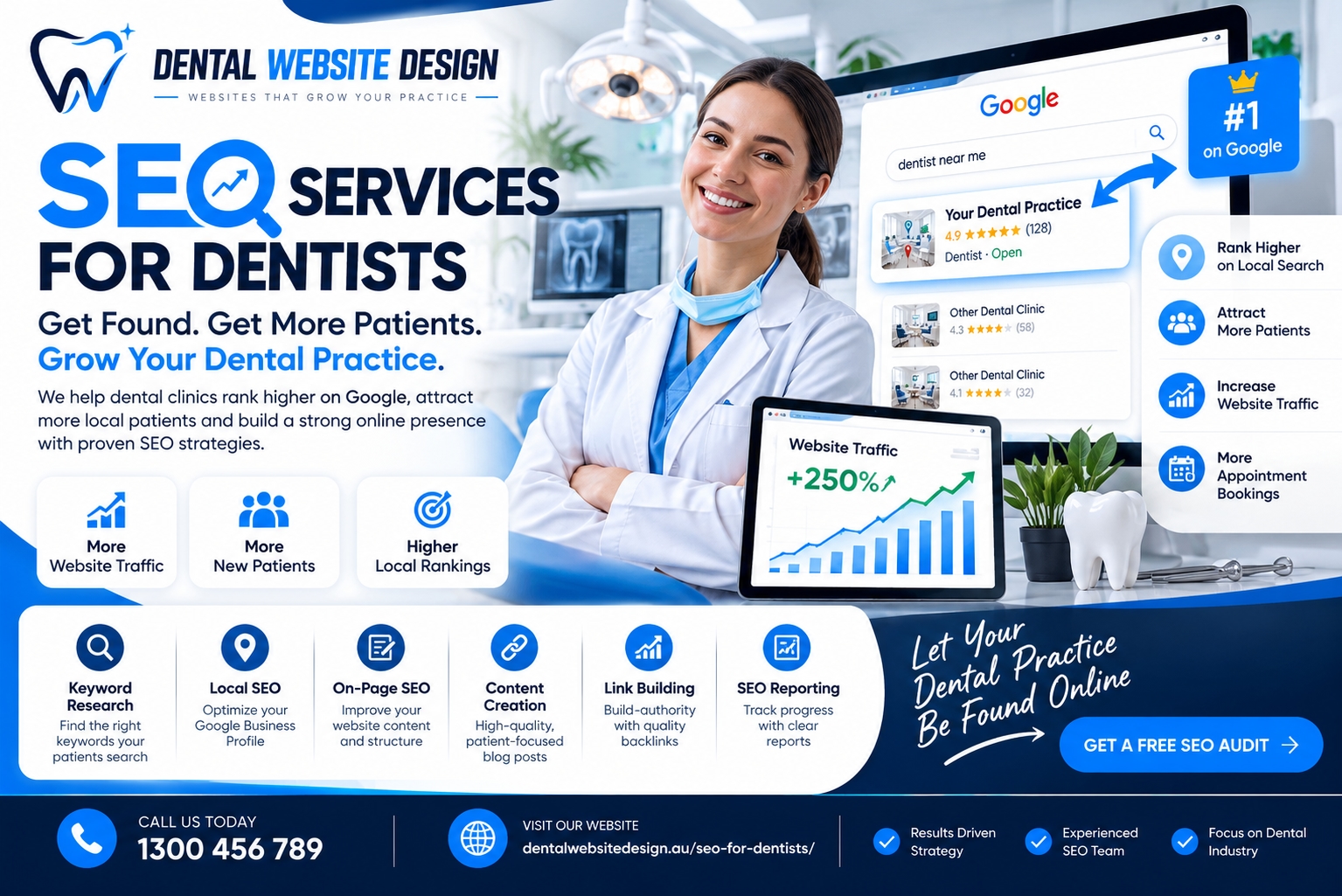
The dental industry is becoming increasingly competitive, and patients often use the internet to find and compare dental clinics before booking an appointment. Whether they need a routine check-up, teeth whitening, dental implants, or emergency treatment, many begin their search online.
For dental practices, digital marketing is an effective way to improve online visibility, connect with potential patients, and build a trusted brand. A well-planned digital marketing strategy helps dentists reach the right audience, communicate their services, and encourage more appointment enquiries.
This guide explores the key digital marketing strategies dentists can use to grow their dental practice.
What Is Digital Marketing for Dentists?
Digital marketing for dentists involves promoting a dental clinic through online channels such as search engines, social media, websites, email, and paid advertising.
Unlike traditional marketing methods, digital marketing allows dental practices to reach people who are actively searching for dental services or are likely to be interested in them.
Common digital marketing channels for dentists include:
Search engine optimisation (SEO)
Local SEO and Google Business Profile
Google Ads
Social media marketing
Website design and optimisation
Content marketing
Email marketing
Online reputation management
Combining these channels can help a dental clinic build awareness, attract relevant visitors, and support long-term growth.
1. Build a Professional Dental Website
A website is often the first place potential patients visit after discovering a dental clinic online. It should provide clear information about the practice, its services, and how patients can make an appointment.
A professional dental website should include:
A clear homepage introducing the clinic
Dedicated pages for individual dental services
Dentist profiles and professional qualifications
Clinic address, phone number, and opening hours
Patient-friendly treatment information
Appointment booking or enquiry options
Testimonials or reviews, where permitted
The website should also be mobile-friendly. Many people search for dental services using smartphones, so important information should be easy to access on smaller screens.
Fast loading speed, simple navigation, and clear calls to action can help improve the visitor experience.
2. Use SEO to Improve Google Visibility
Search engine optimisation helps a dental clinic appear in relevant organic search results. When potential patients search for dental services, a well-optimised website has a better opportunity to be discovered.
SEO for dentists includes keyword research, on-page optimisation, technical SEO, content development, and local search improvements.
Relevant keyword examples include:
Dentist in Melbourne
Dental clinic near me
Emergency dentist
Teeth whitening
Dental implants
Family dentist
Use keywords naturally in page titles, headings, and relevant content. Each service page should focus on a specific treatment and provide useful information rather than repeating the same keywords across the website.
SEO is a long-term strategy. Rankings and traffic can take time to improve, and results depend on competition, website quality, and other factors.
3. Optimise Your Google Business Profile
Local search is particularly important for dental clinics because patients often prefer a practice close to their home or workplace.
Google Business Profile can help your clinic appear in Google Maps and local search results. Keep the profile complete and accurate by including:
Correct clinic name and address
Current phone number and opening hours
Relevant business categories
Dental services offered
Professional clinic photos
A link to your website or booking page
Make sure your business information is consistent across your website and reputable online directories.
Encourage patients to share honest reviews in accordance with applicable professional and platform guidelines. Respond to feedback professionally and protect patient privacy.
4. Use Google Ads to Reach Patients
Google Ads can help dental clinics appear in sponsored search results for relevant queries. This can be useful when a practice wants to promote a particular service or reach patients searching for dental care.
For example, a clinic may run campaigns for emergency dentistry, dental implants, or teeth whitening.
Effective Google Ads campaigns should include:
Relevant keywords
Clear and accurate ad copy
A suitable landing page for each service
Geographic targeting based on the clinic’s service area
Conversion tracking for calls and appointment enquiries
Regular budget and performance reviews
Paid advertising can generate visibility quickly, but it requires careful management. Monitor campaign performance and ensure that advertisements and landing pages comply with applicable advertising and healthcare regulations.
5. Promote Your Dental Clinic on Social Media
Social media can help dental clinics build awareness, share educational content, and maintain relationships with their audience.
Platforms such as Facebook and Instagram can be used to communicate with local communities and highlight the clinic’s services.
Content ideas include:
Dental care tips
Answers to common patient questions
Introductions to the dental team
Clinic updates and announcements
Explanations of dental procedures
Oral hygiene reminders
Use clear, helpful content rather than relying only on promotional posts. Before-and-after images, patient stories, and testimonials should be used only with appropriate consent and in line with relevant professional rules.
A consistent posting schedule can help maintain an active and informative social media presence.
6. Create Helpful Dental Content
Content marketing helps answer patient questions and provides useful information before someone books an appointment.
A dental clinic can publish blog articles, FAQs, educational videos, and service guides to explain common dental concerns.
Potential blog topics include:
How Often Should You Visit a Dentist?
What to Do During a Dental Emergency
How to Maintain Healthy Teeth and Gums
What to Expect During a Dental Check-Up
What Are the Different Types of Dental Implants?
Dental content should be clear, accurate, and appropriate for the intended audience. Where necessary, clinical content should be reviewed by a qualified dental professional.
Link blog articles to relevant service pages so readers can find more information about the treatments offered by the clinic.
7. Manage Your Online Reputation
A clinic’s online reputation can influence how potential patients evaluate its services. Reviews on Google and other relevant platforms may help people understand the experiences of previous patients.
To manage your online reputation:
Encourage honest feedback from patients.
Respond politely to reviews.
Address concerns professionally.
Avoid sharing confidential patient information.
Monitor reviews across relevant platforms.
A thoughtful response can demonstrate that the clinic takes feedback seriously. Never disclose a person’s treatment details or other private health information in a public reply.
8. Use Email Marketing to Maintain Patient Relationships
Email marketing can help dental clinics communicate with existing patients and share useful information.
With appropriate consent and privacy safeguards, clinics may use email to send:
Appointment reminders
Routine check-up reminders
Oral health tips
Clinic news and updates
Relevant service information
Keep emails helpful, concise, and respectful of the recipient’s preferences. Make sure patients can manage their communication preferences and that messages comply with applicable privacy and marketing laws.
9. Track and Measure Marketing Performance
Digital marketing works best when performance is measured regularly. Tracking helps dentists understand which channels are generating relevant traffic and appointment enquiries.
Useful tools include Google Analytics and Google Search Console. Depending on the clinic’s setup, advertising platforms may also provide conversion data.
Monitor metrics such as:
Organic website traffic
Search impressions and clicks
Google Business Profile interactions
Phone-call clicks
Appointment form submissions
Paid advertising conversions
Engagement with social media content
Focus on meaningful outcomes, such as relevant enquiries and appointments, rather than website traffic alone.
Review performance regularly and adjust your strategy based on the data.
Common Digital Marketing Mistakes Dentists Should Avoid
Some marketing mistakes can reduce the effectiveness of a dental clinic’s online presence.
Avoid:
Using the same content across every service page
Ignoring mobile website performance
Leaving business information outdated
Publishing unverified dental advice
Buying low-quality backlinks
Using misleading advertising claims
Ignoring patient reviews
Failing to track enquiries and conversions
A patient-focused, accurate, and consistent approach can help build a stronger digital presence.
Conclusion
Digital marketing for dentists is about making it easier for potential patients to discover a clinic, understand its services, and take the next step toward an appointment.
A professional website, effective SEO, local search optimisation, targeted advertising, social media, helpful content, and reputation management can work together to support dental practice growth.
The best strategy depends on the clinic’s location, services, audience, and goals. By reviewing performance regularly and prioritising patient needs, dentists can build a more visible and trustworthy online presence.
Ready to grow your dental practice online? Start by reviewing your website and Google Business Profile, identifying the services you want to promote, and building a digital marketing plan around the needs of your patients.