Ethiopia is often called the "Land of Origins," and for a good reason. It is a place where ancient history meets breathtaking natural beauty. From the rock-hewn churches of Lalibela to the alien landscapes of the Danakil Depression, Ethiopia offers an experience unlike any other in Africa.
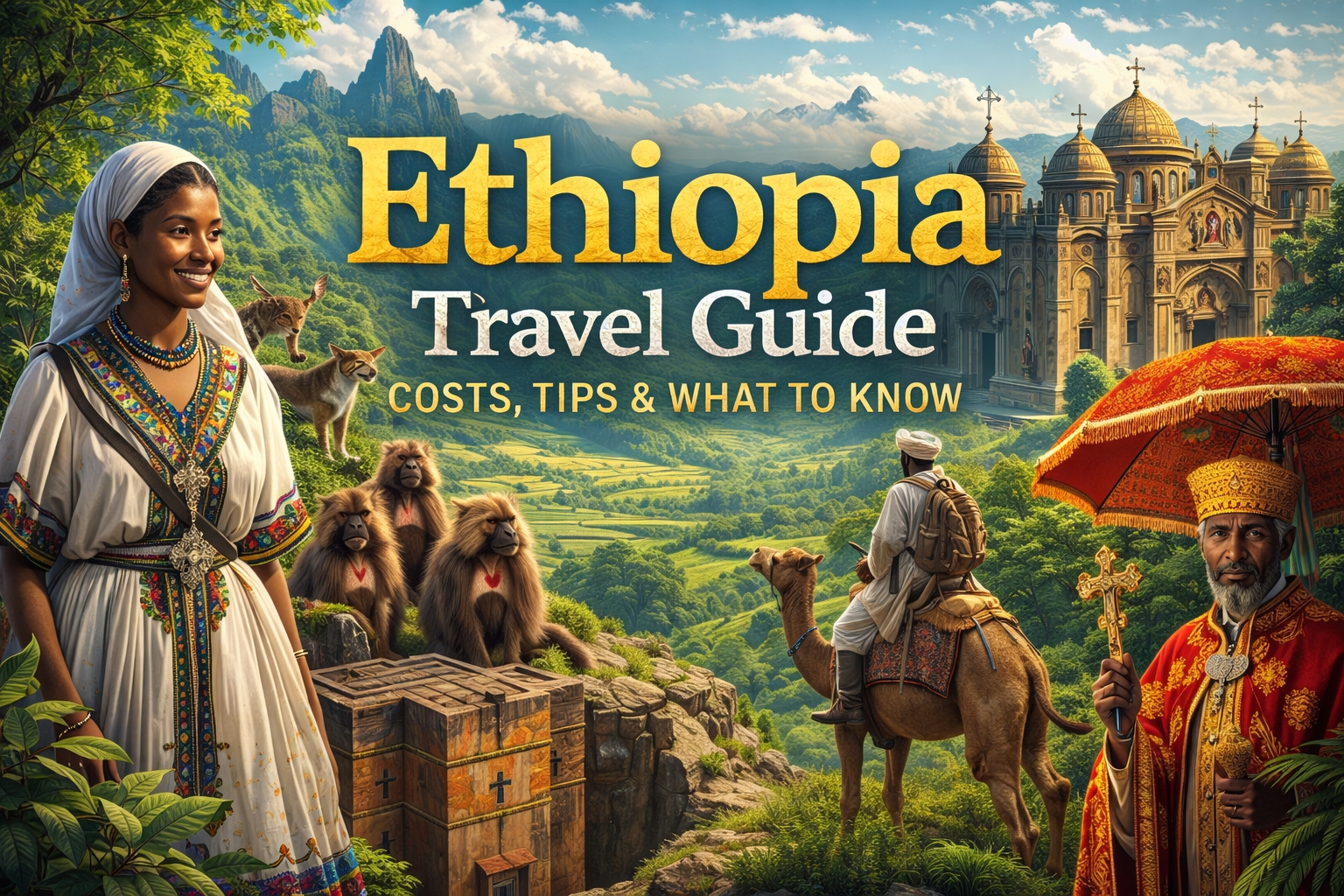
If you are planning your first trip to this Horn of Africa gem, you likely have many questions. This guide breaks down everything from costs to cultural tips to help you plan the perfect adventure.
Why Choose Us for Your Ethiopia Journey?
Before we dive into the travel tips, we want to ensure your journey starts smoothly. Navigating international travel can be complex, but we make it simple:
Reliable Travel Visa Services: Our global approach has helped thousands of travelers secure their documents without the stress.
Round-the-Clock Assistance: Whether you have a question at noon or midnight, our experts are available 24/7 and respond within 72 hours.
Experienced Visa Consultants: We provide expert guidance to ensure your application meets all requirements, significantly increasing your chances of acceptance.
Efficient Application Process: Why wait? Apply for your visa in minutes using our simplified online form.
1. Is Ethiopia safe for tourists right now?
Safety is a top priority for any traveler. While certain border regions are best avoided, the main "Historic Circuit" (Lalibela, Aksum, Gondar, and Bahir Dar) and Addis Ababa are generally welcoming to tourists. Always check your local government’s travel advisories before booking, and consider hiring a local guide to navigate more remote areas safely.
2. When is the best time to visit Ethiopia?
The best time to visit is during the dry season, which runs from October to March. During these months, the weather is pleasant, and the landscapes are lush after the rains. If you want to experience the famous Timkat festival, plan your visit for January.
3. Do I need a visa for Ethiopia?
Most international travelers require a visa to enter Ethiopia. Fortunately, the process has become much easier with the introduction of the E-Visa. You can check the all eligible country list for Ethiopia Visa to see if your country qualifies for online application.
4. How much does a trip to Ethiopia cost daily?
Ethiopia can be very affordable or quite expensive, depending on your style.
Budget: $30 - $45 USD per day (hostels, local buses, and street food).
Mid-range: $70 - $120 USD per day (boutique hotels, domestic flights, and guided tours).
Luxury: $200+ USD per day (high-end lodges and private drivers).
5. What are the top must-visit destinations in Ethiopia?
You shouldn't leave without seeing:
Lalibela: Home to 11 monolithic churches carved out of solid rock.
Simien Mountains: Stunning trekking peaks and unique wildlife like the Gelada baboon.
Danakil Depression: One of the hottest and lowest places on Earth, featuring colorful sulfur springs.
Omo Valley: Known for its diverse and culturally rich tribes.
6. What is the local food like (and is it spicy)?
The staple of Ethiopian cuisine is Injera, a sour, fermented flatbread. It is served with various "wats" (stews). Yes, many dishes use "Berbere" (a spicy chili blend), so expect some heat! If you prefer mild food, try "Alicha" stews.
7. How do I get around within Ethiopia?
Because Ethiopia is mountainous and vast, the most efficient way to travel between major cities is by Ethiopian Airlines. They have an extensive domestic network. For shorter distances, "Bajajs" (tuk-tuks) and "Minibuses" are the standard for local transport.
8. What are the local customs and etiquette I should follow?
Ethiopians are known for their hospitality. It is customary to greet people with a handshake and three kisses on the cheek (if you are well-acquainted). Always eat with your right hand, as the left is considered "unclean" in many traditional contexts.
9. What should I pack for my Ethiopia trip?
Ethiopia has varied climates. You’ll need:
Modest clothing (shoulders and knees covered) for visiting churches.
Warm layers for the chilly nights in the highlands.
Sturdy hiking boots for the mountains.
A universal power adapter.
10. How is the internet and mobile connectivity?
Internet can be slow and unreliable outside of Addis Ababa. It is highly recommended to buy a local Ethio Telecom SIM card upon arrival at the airport. Many hotels offer Wi-Fi, but don't expect high speeds for streaming.
11. Can I use my credit card in Ethiopia?
Cash is king in Ethiopia. While major hotels in Addis Ababa accept credit cards (Visa is most common), you will need the local currency (Ethiopian Birr) for almost everything else. ATMs are available in cities, but they often run out of cash or don't accept international cards—always carry some backup USD or Euros to exchange.
12. What vaccinations do I need before going?
Most travelers are advised to have Hepatitis A, Typhoid, and Polio vaccinations. A Yellow Fever certificate is required if you are arriving from a country with a risk of yellow fever. Malaria precautions are also necessary if you are visiting low-altitude areas like the Omo Valley.
13. Is Ethiopia a good destination for solo female travelers?
Yes, many women travel solo in Ethiopia safely. However, it is important to follow standard safety precautions: avoid walking alone at night, dress modestly to respect local culture, and be firm but polite when dealing with unwanted attention from "touts."
14. What are the most important festivals to see?
If you love culture, try to time your visit with:
Enkutatash (September): The Ethiopian New Year.
Meskel (September): Commemorating the finding of the True Cross.
Timkat (January): The Epiphany, featuring colorful processions and water blessings.
15. What language is spoken in Ethiopia?
Amharic is the official working language. However, there are over 80 different languages spoken across the country! In tourist areas and among the younger generation in cities, English is widely understood.
16. Do I need to tip in Ethiopia?
Tipping is common in the tourism industry but not strictly "mandatory." A 10% tip at a restaurant or a small daily amount for your trekking guide and driver is greatly appreciated and goes a long way in supporting the local economy.
Final Thoughts
Ethiopia is a destination that rewards the curious and the patient. It might not always have the smoothest infrastructure, but the richness of its history and the warmth of its people make every moment worth it.
Ready to start your adventure? Make sure your paperwork is in order first! Check your visa eligibility here and let us help you handle the rest.