Djibouti is often called the "Pearl of the Red Sea," famous for its stunning geological wonders like Lake Assal and the alien landscapes of Abbe. Yet, beyond the salt flats and volcanic craters lies a rich, enduring cultural heritage: the traditional nomadic lifestyle of the Afar and Issa people. For centuries, these resilient pastoralists have thrived in one of the hottest and most arid environments on Earth.
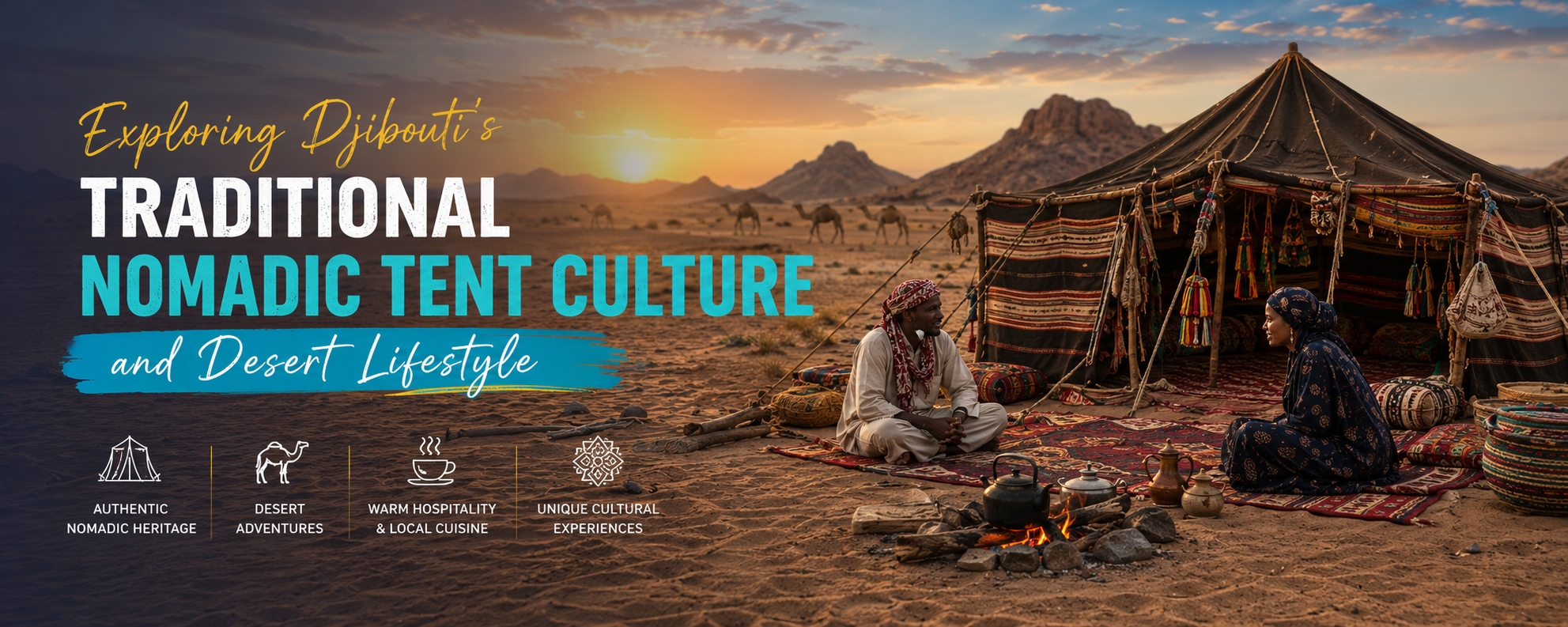
If you are planning an authentic off-the-beaten-path adventure, understanding and experiencing Djibouti’s nomadic tent culture will completely transform your journey.
The Heart of the Desert: Understanding the Nomadic Way of Life
The interior of Djibouti is characterized by vast desert expanses, rugged mountains, and searing temperatures. For the Afar and Issa communities, nomadism is not merely a survival tactic; it is a profound philosophy rooted in harmony with nature.
Families move seasonally with their livestock—primarily camels, goats, and sheep—seeking fresh grazing lands and water sources. Every aspect of daily life, from social customs to traditional music and storytelling, revolves around this mobile existence. Travelers who venture beyond Djibouti City are welcomed with legendary East African hospitality, often sharing sweet tea around a hearth under the vast desert stars.
The Architecture of Mobility: Inside the Traditional Afar Tent (Aki)
One of the most fascinating elements of nomadic culture is portable architecture. Building a permanent home in the desert is impractical, so nomads have perfected lightweight, durable shelters designed to withstand fierce desert winds and intense solar radiation.
Materials and Structure: The traditional Afar tent, often called an aki or ari, is constructed using a framework of flexible branches curved into a dome shape. This wooden skeleton is then covered with woven mats made from palm fronds, grass, or recycled fabrics.
Cooling and Ventilation: Unlike modern tents that trap heat, the natural woven materials of a nomadic tent allow cooling desert breezes to pass through while blocking out harsh sunlight and dust storms.
Minimalist Interior: Inside, the layout is functional and uncluttered. Woven rugs and animal skins line the sandy floor, serving as both seating and sleeping areas. Simple storage bags hold cooking utensils, water skins, and essential personal belongings.
Desert Survival and Daily Customs
Living in the Danakil Depression and surrounding arid zones requires specialized knowledge passed down through generations. Nomads navigate by the stars, track weather patterns by observing animal behavior, and expertly manage scarce water resources.
Dietary Staples: The desert diet is simple yet sustaining, relying heavily on camel milk, fresh goat meat, flatbreads baked over open fires, and dates.
Social Structure: Community ties are vital for survival. Decisions are made collectively by tribal elders, and visitors are treated under customary laws of protection and hospitality known as mada.
Planning Your Journey to Djibouti
Experiencing this incredible desert culture firsthand is a bucket-list experience for cultural explorers and photographers. However, traveling to remote regions of Djibouti requires careful logistical planning, 4x4 transport, and local guides who speak the regional languages and understand tribal customs.
Before you book your desert safari, you will need to secure your travel documentation. Ensuring a smooth start to your adventure makes all the difference:
Reliable Travel Visa Services: Our global approach has assisted numerous travelers in obtaining their visa without stress.
Round-the-Clock Assistance: Reach out to us 24/7, and our experts are ready to help you prepare.
Experienced Visa Consultants: Receive expert guidance to ensure the seamless acceptance of your application.
Efficient Visa Application Process: Apply for your travel permit in minutes with our simplified form.
Ready to start your journey into the heart of East Africa? Visit Djibouti Tourism Visa Online to begin your application today.
Tips for Respectful Cultural Tourism
If you have the privilege of visiting a nomadic settlement, remember these golden rules for responsible travel:
Always Ask Permission: Never take photographs of people, children, or their dwellings without asking your guide to translate and secure consent first.
Support Local Artisans: If you purchase handmade woven goods or souvenirs, buy directly from community members to support the local economy.
Leave No Trace: The desert ecosystem is fragile. Pack out all your trash and respect water sources, which are precious to desert communities.
Immersing yourself in Djibouti's nomadic culture offers a rare glimpse into a timeless way of life. Pack your sense of wonder, respect local traditions, and get ready for the adventure of a lifetime!