Hooded eyes are a common facial feature in which excess skin around the upper eyelids folds downward, partially covering the natural eyelid crease. For some individuals, this is simply a natural part of their facial anatomy. For others, hooding develops gradually with age as the skin loses elasticity and the supporting tissues become weaker. Although hooded eyes are not usually a medical concern, they can sometimes create a tired appearance or interfere with everyday activities, particularly when excess skin affects peripheral vision.
People exploring Eyelid Surgery in Muscat often want to understand which treatments can improve hooded eyes and whether surgery is always necessary. The good news is that several approaches are available, depending on the underlying cause, the amount of excess skin, and the individual's desired outcome. From upper eyelid surgery to selected non-surgical treatments, understanding the available options can help individuals make informed decisions about their eye appearance.
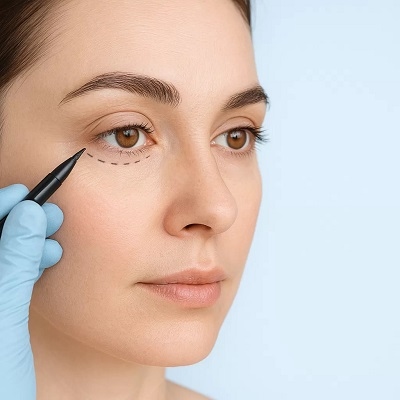
What Are Hooded Eyes and Why Do They Develop?
Hooded eyes occur when excess skin or changes in the tissues surrounding the upper eyelid create a fold that covers part or most of the natural eyelid crease. The degree of hooding varies considerably between individuals. Some people naturally have hooded eyes from a young age, while others notice the change gradually as they get older.
Several factors can contribute to this appearance.
1. Natural Ageing
Ageing is one of the most common reasons for developing hooded eyes. Over time, the skin produces less collagen and elastin, which are responsible for maintaining firmness and flexibility.
As the skin becomes looser, excess tissue may gather over the upper eyelids. The muscles and supporting structures can also weaken, making the eyelid area appear heavier.
2. Genetics and Facial Anatomy
Some individuals naturally have hooded eyelids because of inherited facial characteristics. Their upper eyelid skin may fold over the crease even when the skin is healthy and elastic.
In these cases, hooding may become noticeable during adolescence or early adulthood rather than developing as a result of ageing.
3. Changes in Fat Distribution
Fat around the eyes provides natural support and cushioning. However, changes in its position or distribution can influence the appearance of the upper eyelids.
Prominent fat deposits may contribute to a fuller or heavier appearance, making the hooding more noticeable.
4. Drooping Eyelid Muscles
In some individuals, the issue is not simply excess skin. Weakness or stretching of the muscle responsible for lifting the upper eyelid can cause a condition known as ptosis.
Ptosis is different from ordinary hooded eyelids and may require a specialised surgical approach. Correctly identifying the cause is important before choosing treatment.
What Are the Main Eyelid Surgery Options for Hooded Eyes?
The most appropriate treatment depends on whether hooding is caused by excess skin, fat distribution, weakened eyelid muscles, or a combination of these factors.
A detailed assessment helps determine which surgical approach can provide a natural-looking improvement.
1. Upper Blepharoplasty
Upper blepharoplasty is one of the most common surgical options for treating hooded eyes. It focuses on removing carefully selected amounts of excess skin from the upper eyelids.
During the procedure, an incision is generally placed within the natural eyelid crease. The surgeon removes excess skin and may adjust underlying fat or muscle when necessary. The incision is then closed using fine sutures.
This approach can help:
Reduce excess skin hanging over the upper eyelids.
Improve the visibility of the natural eyelid crease.
Create a less heavy appearance.
Improve facial balance around the eyes.
Address vision obstruction caused by excess upper eyelid skin in suitable patients.
The aim is not to remove as much skin as possible. Instead, careful tissue adjustment helps maintain natural eyelid movement and comfortable eye closure.
2. Ptosis Repair
When hooded eyes are associated with a drooping upper eyelid caused by a weak or stretched lifting muscle, ptosis repair may be more appropriate than standard blepharoplasty.
The procedure focuses on adjusting the muscle or its supporting structures to improve the position of the upper eyelid.
Ptosis repair may be considered when the eyelid sits lower than normal and affects the appearance or function of the eye.
In some cases, ptosis repair can be combined with upper blepharoplasty if excess skin is also present. However, the treatment plan depends on the underlying anatomical problem.
3. Combined Eyelid Surgery
Some individuals have several concerns affecting the eye area, including excess upper eyelid skin, lower eyelid bags, and changes in the supporting tissues.
In selected cases, upper and lower eyelid surgery may be performed together. Combining procedures can address multiple concerns during one surgical treatment plan.
However, combined surgery is not necessary for everyone. The surgeon considers overall health, eye function, surgical complexity, and recovery requirements before recommending this approach.
Non-Surgical Treatments for Hooded Eyes
Not every individual with hooded eyes requires surgery. People with mild concerns or those who prefer to avoid an operation may explore selected non-surgical options.
However, it is important to understand that non-surgical treatments generally provide more limited improvements than surgery when significant excess skin is present.
1. Botox Treatments
Botulinum toxin injections may improve the appearance of the eyebrow area in carefully selected individuals.
By relaxing specific muscles that pull the eyebrows downward, treatment may produce a subtle lifting effect. This can sometimes make the upper eyelid area appear slightly more open.
However, Botox does not remove excess eyelid skin or correct significant eyelid drooping. Its effects are temporary and typically last a few months.
2. Radiofrequency Skin Tightening
Radiofrequency treatments use controlled energy to heat deeper skin layers and stimulate collagen production.
These treatments may help improve mild skin laxity and firmness around the eye area. However, they cannot remove substantial amounts of excess skin.
Results vary depending on skin condition, treatment type, and individual response.
3. Laser Skin Treatments
Certain laser treatments can improve skin texture and address mild wrinkles around the eyes. Some resurfacing techniques may also stimulate collagen production.
Although laser treatments can improve selected skin concerns, they are not a substitute for surgical removal of significant excess upper eyelid skin.
4. Skincare and Lifestyle Improvements
Healthy habits can support skin quality and general eye-area appearance. Useful measures include:
Applying suitable sunscreen around the eyes.
Wearing sunglasses to reduce sun exposure.
Maintaining adequate hydration.
Getting sufficient sleep.
Avoiding smoking.
Using gentle skincare products appropriate for the eye area.
These measures cannot reverse substantial hooding, but they may help maintain healthier-looking skin.
What to Expect Before, During, and After Eyelid Surgery in Muscat
Understanding the treatment process can make the experience less stressful for individuals considering Eyelid Surgery in Muscat.
The procedure generally involves three main stages: preparation, surgery, and recovery.
Before Surgery
The process begins with a consultation and examination of the upper eyelids.
The surgeon assesses the amount of excess skin, eyelid position, muscle function, skin quality, and overall eye health. If there are concerns about peripheral vision, additional visual field testing may be recommended.
Patients should also discuss:
Previous eye procedures.
Existing medical conditions.
Dry eye symptoms.
Current medications and supplements.
Allergies and previous surgical complications.
Desired improvements and expectations.
Pre-operative instructions may include avoiding certain medications that increase bleeding risk, stopping smoking, and arranging transportation home after surgery.
Prescribed medication should never be stopped without medical advice.
During Surgery
Upper blepharoplasty is commonly performed using local anaesthesia, sometimes with sedation. General anaesthesia may be considered depending on the procedure and individual circumstances.
The surgeon marks the natural eyelid crease, makes the planned incision, and carefully removes excess skin. Fat or muscle adjustments may also be performed when necessary.
The incision is then closed with fine sutures.
The procedure may take approximately one to two hours, although the duration depends on its complexity and whether additional treatment is required.
After Surgery
Mild swelling, bruising, tightness, and temporary discomfort are common during the initial recovery period.
Patients may be advised to:
Apply cold compresses as directed.
Keep the head elevated while resting.
Avoid rubbing or pressing the eyes.
Use prescribed ointments or eye drops.
Avoid strenuous exercise until cleared.
Protect the healing area from direct sunlight.
Attend follow-up appointments.
Most patients experience noticeable improvement during the first one to two weeks. However, complete healing and scar maturation may take several months.
Sudden vision changes, severe pain, significant bleeding, or rapidly increasing swelling require urgent medical assessment.
Benefits, Risks, and Long-Term Results of Eyelid Surgery
Eyelid surgery can provide both cosmetic and functional improvements for suitable candidates. However, understanding its limitations and potential complications is equally important.
Benefits of Upper Eyelid Surgery
Some potential benefits include:
Reduced excess skin around the upper eyelids.
A more visible and defined eyelid crease.
A fresher and less tired appearance.
Improved facial balance.
Better peripheral vision when excess skin obstructs the visual field.
Long-lasting improvement in skin-related hooding.
The results can remain noticeable for many years, although natural ageing continues after treatment.
Possible Risks and Complications
Like all surgical procedures, eyelid surgery carries risks. These may include:
Bruising and prolonged swelling.
Infection or bleeding.
Dry or irritated eyes.
Temporary difficulty closing the eyes.
Visible or uneven scarring.
Eyelid asymmetry.
Changes in eyelid position.
Overcorrection or undercorrection.
Rare vision-threatening complications.
Selecting an appropriately qualified surgeon and following post-operative instructions can help reduce avoidable risks.
How Long Do the Results Last?
Upper eyelid surgery can provide long-lasting improvement because the excess skin removed during the procedure does not simply grow back.
However, the remaining skin continues to age, and new laxity may gradually develop.
The longevity of results depends on genetics, skin quality, ageing, sun exposure, and individual healing characteristics.
Who Is a Suitable Candidate for Hooded Eye Surgery?
Eyelid surgery may be suitable for adults who experience noticeable upper eyelid skin folds, heavy eyelids, or vision obstruction caused by excess skin.
A suitable candidate generally:
Is in good overall health.
Has realistic expectations about the results.
Has excess skin or another correctable eyelid concern.
Understands the potential risks and recovery requirements.
Can follow pre-operative and post-operative instructions.
Individuals with significant dry eye symptoms, thyroid-related eye conditions, glaucoma, or previous eye surgery may require additional assessment.
It is also important to distinguish ordinary hooded eyes from ptosis or drooping eyebrows. These conditions can create similar appearances but may require different treatment approaches.
A personalised consultation helps identify the actual cause and determine whether surgery or a non-surgical treatment is more appropriate.
Frequently Asked Questions About Eyelid Surgery for Hooded Eyes
1. Can eyelid surgery completely fix hooded eyes?
Upper blepharoplasty can significantly improve hooded eyes caused by excess upper eyelid skin. However, the results depend on the underlying anatomy. If muscle weakness or eyebrow drooping contributes to the appearance, additional or alternative treatment may be necessary.
2. Is eyelid surgery better than non-surgical treatments for hooded eyes?
The best option depends on the severity of the concern. Surgery is generally more effective for significant excess skin, while non-surgical treatments may provide subtle improvements for mild skin laxity or eyebrow positioning.
3. Does upper eyelid surgery change the natural shape of the eyes?
The goal of upper blepharoplasty is usually to reduce excess skin while preserving the individual's natural eye shape. Careful surgical planning helps maintain facial balance and normal eyelid function.
4. How long does recovery from hooded eye surgery take?
Initial recovery commonly takes one to two weeks. Bruising and swelling usually improve during this period, although complete healing and final results may take several months.
5. Can hooded eyes return after eyelid surgery?
The removed skin does not grow back, but the remaining tissues continue to age. New skin laxity may develop over time, so the improvement is long-lasting rather than guaranteed to be permanent.
6. Is eyelid surgery painful?
The procedure is performed under appropriate anaesthesia, so significant pain is generally not expected during surgery. Mild discomfort, swelling, bruising, or tightness may occur afterward and can usually be managed with recommended medication.
Final Thoughts
Hooded eyes can develop because of genetics, natural ageing, excess skin, or changes in the supporting structures around the eyes. Although this appearance is often harmless, some individuals may seek treatment to achieve a more open eyelid appearance or improve vision when excess skin causes obstruction.
Upper blepharoplasty, ptosis repair, and selected non-surgical treatments offer different approaches depending on the underlying concern. The most suitable option depends on individual anatomy, skin condition, eye health, and treatment expectations.
For individuals considering Eyelid Surgery in Muscat, a detailed professional assessment is an important first step. Understanding the available options, possible risks, recovery requirements, and expected results can help individuals make informed decisions and choose an approach that supports both natural appearance and healthy eyelid function.
Read More About Eyelid Surgery in Muscat: https://hkafrica.com/blogs/14645/Choosing-a-Surgeon-Questions-to-Ask-Before-Eyelid-Surgery