Imagine standing on icy mountain passes, surrounded by the world’s tallest peaks, as you journey through remote Sherpa villages—this is the thrill of the Everest Three High Passes Trek. Each step of the trail offers a new adventure, from quiet villages to towering glaciers, making this trek one of the most unforgettable journeys in the Himalayas.
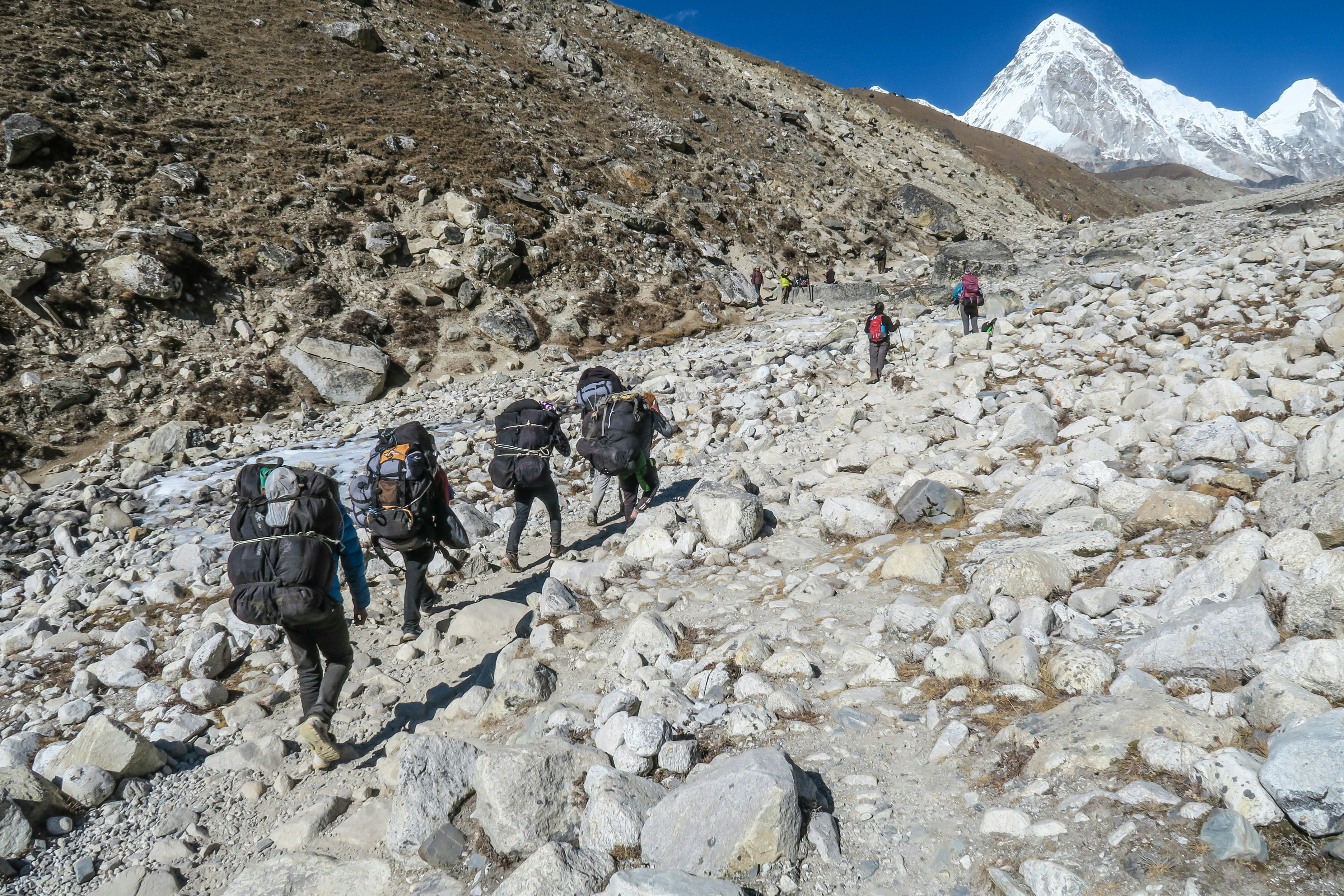
A Journey Through Sherpa Villages
The trek begins in the heart of the Khumbu region, where traditional Sherpa villages line the trail. Stone houses decorated with colorful prayer flags, friendly locals, and grazing yaks greet every traveler. Visiting these villages gives trekkers a glimpse of Sherpa life, culture, and spirituality. Small monasteries along the route add a peaceful charm to the journey, showing the deep connection between the people and the mountains.
Crossing the High Passes
The main highlight of the trek is crossing three high passes: Kongma La, Cho La, and Renjo La. These passes are challenging, often steep and icy, but they reward trekkers with spectacular views of snow-capped peaks and glacial valleys. Each pass is a milestone, testing your strength and perseverance while offering a unique perspective of the majestic Himalayas.
Trek Statistics
On average, the Everest High Pass Trek takes about 18 to 21 days to complete. The total distance is roughly 120 kilometers (75 miles), depending on the route. The highest point is Kongma La Pass at 5,535 meters (18,159 feet) above sea level. Trekkers should be prepared for high altitude, cold weather, and challenging terrain. Proper acclimatization and careful planning are essential for a safe and enjoyable journey.
Majestic Mountain Views
One of the most rewarding parts of the trek is the view of the Himalayan giants. From Everest to Lhotse, Ama Dablam, and Cho Oyu, the peaks seem endless. Sunrise over the mountains paints the sky with golden hues, while evenings bring calm valleys and colorful skies. Photographers, nature lovers, and adventure seekers all find this trek inspiring and magical.
Experiencing Nature and Culture
The trek is not just about mountains. It is about walking through forests of rhododendron and pine, seeing frozen lakes, and listening to the wind sweep through the valleys. Monasteries and prayer wheels along the trail remind trekkers of the spiritual life of the Sherpa people. Meals in local tea houses let you taste authentic Nepali food, while villages share stories of history, tradition, and mountain life.
Why the Everest High Pass Trek is Special
This trek is special because it combines adventure, culture, and natural beauty. It is perfect for trekkers who want a challenge but also wish to experience the rich heritage of the Himalayas. From crossing high passes to exploring Sherpa villages, every step is a memory that lasts a lifetime. The Everest High Pass Trek teaches patience, endurance, and respect for nature.
Tips for Trekkers
To enjoy the Everest High Pass Trek safely, start preparing months in advance. Build your stamina with hiking and cardio exercises. Dress in layers and carry proper trekking gear. Listen to your body, and always take rest days to acclimatize. Hiring an experienced guide or joining a trekking group is highly recommended to ensure safety and to better understand the culture and history of the region.
A Journey You Will Never Forget
From Sherpa villages to snow-capped peaks, the Everest High Pass Trek is a journey like no other. It challenges your body, fills your heart with awe, and shows the beauty of the Himalayas in every step. Whether walking through quiet villages, climbing icy passes, or standing at the edge of a glacial valley, every moment is unforgettable. For adventure seekers ready for wonder and challenge, this trek is calling your name.