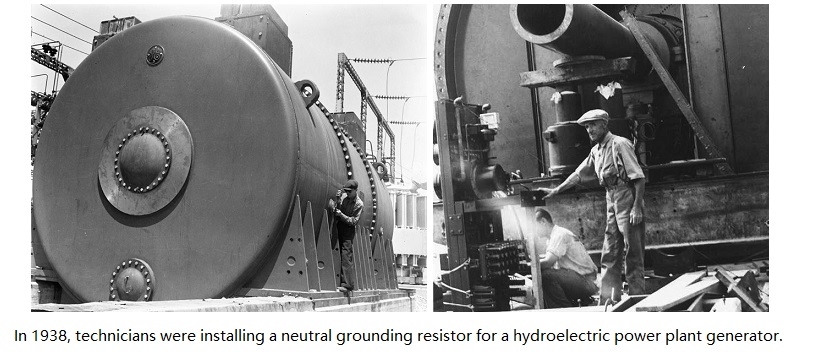
Electrical power systems depend on reliable grounding to maintain operational safety and equipment longevity. One of the most effective solutions for protecting generators against ground faults is a Generator Neutral Grounding Resistor (GNGR).
Whether used in industrial plants, power generation facilities, data centers, or renewable energy installations, a Generator Neutral Grounding Resistor helps limit fault current, reduce equipment damage, and ensure uninterrupted operations.
At Orion Resistors, we design and manufacture high-performance Generator Neutral Grounding Resistors that meet international standards while delivering dependable protection for critical electrical infrastructure.
What Is a Generator Neutral Grounding Resistor?
A Generator Neutral Grounding Resistor (GNGR) is a specially engineered resistor connected between the neutral point of a generator and earth ground.
Its primary function is to limit ground fault current to a safe and predetermined value during a single line-to-ground fault.
Instead of allowing excessive fault current to damage the generator windings, transformer insulation, switchgear, or connected equipment, the resistor safely controls the current until protection systems isolate the fault.
This controlled grounding method significantly improves electrical system reliability while minimizing repair costs.
Why Is Generator Neutral Grounding Important?
Generators are among the most valuable assets in any electrical power system. Even a minor ground fault can result in:
Severe stator winding damage
Core burning
Insulation failure
Extended plant shutdowns
Expensive repairs
Production losses
Safety hazards for maintenance personnel
A Generator Neutral Grounding Resistor reduces these risks by limiting the fault current to a safe level that protective relays can detect quickly.
How Does a Generator Neutral Grounding Resistor Work?
Under normal operating conditions, virtually no current flows through the grounding resistor.
When a phase conductor accidentally contacts ground:
Fault current attempts to flow through the generator neutral.
The grounding resistor limits the current.
Protective relays detect the abnormal condition.
Circuit breakers isolate the faulty section.
Damage remains minimal.
Instead of allowing thousands of amperes to flow, the resistor limits the fault current according to system design.
Practical Example
Consider a 15 MW industrial generator supplying power to a manufacturing facility.
Without a grounding resistor:
Ground fault current may exceed 3,000 A
Generator windings may experience severe thermal stress
Insulation damage may occur within seconds
With a properly designed Generator Neutral Grounding Resistor:
Fault current may be limited to 200 A
Protection relays respond rapidly
Generator remains protected
Downtime is significantly reduced
This simple addition can save hundreds of thousands of dollars in repair costs.
Main Functions of a Generator Neutral Grounding Resistor
1. Limits Ground Fault Current
The resistor restricts excessive fault current to a safe value, preventing catastrophic damage.
2. Protects Generator Windings
Generator stator windings are highly vulnerable to ground faults.
Current limitation prevents overheating and insulation breakdown.
3. Enhances Personnel Safety
Lower fault current means reduced arc flash energy and safer maintenance conditions.
4. Improves System Reliability
Ground faults are isolated quickly without widespread equipment damage.
5. Reduces Downtime
Since equipment damage is minimized, maintenance and repairs are faster and less expensive.
Applications of Generator Neutral Grounding Resistors
Generator Neutral Grounding Resistors are widely used in:
Thermal power plants
Hydroelectric stations
Gas turbine power plants
Diesel generator installations
Renewable energy plants
Industrial manufacturing facilities
Oil & gas processing plants
Mining operations
Data centers
Chemical processing industries
Steel plants
Cement manufacturing
Types of Generator Neutral Grounding Systems
Grounding Method | Fault Current | Equipment Protection | Typical Application |
Solid Grounding | Very High | Low | Small systems |
Resistance Grounding | Controlled | Excellent | Industrial generators |
Reactance Grounding | Moderate | Good | Utility systems |
Ungrounded System | Very Low initially | Poor | Limited applications |
For most industrial generators, resistance grounding offers the best balance between protection and operational continuity.
Generator Neutral Grounding Resistor vs Solid Grounding
Feature | Generator Neutral Grounding Resistor | Solid Grounding |
Fault Current | Limited | Very High |
Equipment Damage | Minimal | High |
Generator Protection | Excellent | Moderate |
Maintenance Cost | Lower | Higher |
Arc Flash Energy | Reduced | High |
System Reliability | High | Moderate |
Key Components of a Generator Neutral Grounding Resistor
A complete Generator Neutral Grounding Resistor assembly typically includes:
Stainless steel resistor elements
Outdoor or indoor enclosure
High-voltage porcelain or polymer insulators
Current transformer (CT)
Neutral grounding transformer (if required)
Temperature monitoring system
Protective relay interface
Terminal connections
Weatherproof ventilation
Each component is engineered to ensure reliable long-term operation under demanding environmental conditions.
Factors to Consider When Selecting a Generator Neutral Grounding Resistor
Choosing the correct resistor requires careful engineering analysis.
Important factors include:
Generator Voltage
The system operating voltage determines insulation requirements.
Fault Current Rating
Typical designs range from 5 A to 1000 A, depending on protection philosophy.
Fault Duration
Common ratings include:
10 seconds
30 seconds
60 seconds
Continuous duty
Environmental Conditions
Consider:
Ambient temperature
Humidity
Coastal environments
Dust
Chemical exposure
Altitude
Applicable Standards
Ensure compliance with:
IEEE
IEC
ANSI
NEMA
Common Causes of Generator Ground Faults
Ground faults may result from:
Insulation aging
Moisture ingress
Cable damage
Mechanical vibration
Contamination
Overheating
Improper installation
Lightning strikes
Routine inspections can identify many of these issues before they become critical failures.
Benefits of Installing a Generator Neutral Grounding Resistor
Organizations benefit through:
Improved generator protection
Lower maintenance expenses
Longer equipment life
Faster fault detection
Increased personnel safety
Reduced downtime
Lower replacement costs
Better compliance with electrical standards
Enhanced operational reliability
Actionable Maintenance Tips
To maximize the lifespan and performance of your Generator Neutral Grounding Resistor:
Inspect resistor elements for corrosion or physical damage.
Verify terminal connections are clean and properly tightened.
Test insulation resistance during scheduled maintenance.
Check enclosure ventilation to prevent overheating.
Confirm relay settings match the designed fault current.
Monitor operating temperature where sensors are installed.
Replace damaged insulators immediately.
Maintain maintenance records for trend analysis.
Preventive maintenance significantly reduces the likelihood of unexpected failures.
Why Choose Orion Resistors?
Orion Resistors specializes in manufacturing high-quality Generator Neutral Grounding Resistors designed for demanding industrial and utility applications.
Our solutions offer:
Precision-engineered resistor elements
High thermal stability
Durable indoor and outdoor enclosures
Compliance with international standards
Custom fault current ratings
Reliable long-term performance
Expert engineering support
Rigorous quality testing
Fast customization for project-specific requirements
With a strong focus on quality, innovation, and customer satisfaction, Orion Resistors delivers grounding solutions trusted across multiple industries.
Frequently Asked Questions (FAQs)
What is a Generator Neutral Grounding Resistor?
A Generator Neutral Grounding Resistor is a protective device connected between the generator neutral and earth to limit ground fault current and protect electrical equipment.
Why is a Generator Neutral Grounding Resistor necessary?
It limits damaging ground fault current, protects generator windings, improves personnel safety, reduces equipment damage, and enhances system reliability.
How does a Generator Neutral Grounding Resistor improve safety?
By limiting fault current, it reduces arc flash energy, lowers thermal stress on equipment, and enables protective relays to isolate faults quickly.
What industries use Generator Neutral Grounding Resistors?
They are widely used in power plants, manufacturing facilities, oil and gas operations, mining, renewable energy projects, chemical plants, steel mills, cement plants, and data centers.
What happens if a generator is not properly grounded?
Without proper grounding, a ground fault can produce excessive current, causing insulation failure, winding damage, equipment destruction, extended downtime, and safety hazards.
How long does a Generator Neutral Grounding Resistor last?
With proper design, installation, and regular maintenance, a high-quality grounding resistor can provide reliable service for many years in demanding industrial environments.
Conclusion
A Generator Neutral Grounding Resistor is an essential component for protecting generators and maintaining safe, reliable electrical operations. By limiting ground fault current, it minimizes equipment damage, improves personnel safety, and supports uninterrupted power generation.
Selecting the right grounding solution requires careful consideration of generator ratings, fault current levels, operating conditions, and applicable standards. Partnering with an experienced manufacturer ensures the system is engineered for long-term performance and compliance.
Orion Resistors combines engineering expertise, quality manufacturing, and customized solutions to deliver Generator Neutral Grounding Resistors that meet the needs of modern industrial and utility power systems. Investing in the right grounding solution today helps reduce downtime, extend equipment life, and improve the overall reliability of your electrical infrastructure.
Contact Number - +86-312-5959618
Email ID - info@orionresistors.com
Official Website - https://www.orionresistors.com/