Maintaining an attractive commercial landscape can be a significant expense for businesses, property managers, and construction companies. Large lawns, roadside areas, office parks, and industrial properties require effective vegetation solutions that balance appearance, durability, and budget. Commercial hydroseeding services offer a practical way to establish grass across extensive areas without the high material and labor costs often associated with installing mature sod. This method combines grass seed, water, mulch, and other selected materials into a slurry that is sprayed onto prepared soil. When the process is planned correctly, businesses can reduce certain installation expenses while supporting healthy grass growth. Understanding the costs, benefits, and maintenance requirements of hydroseeding helps property owners make informed landscaping decisions.
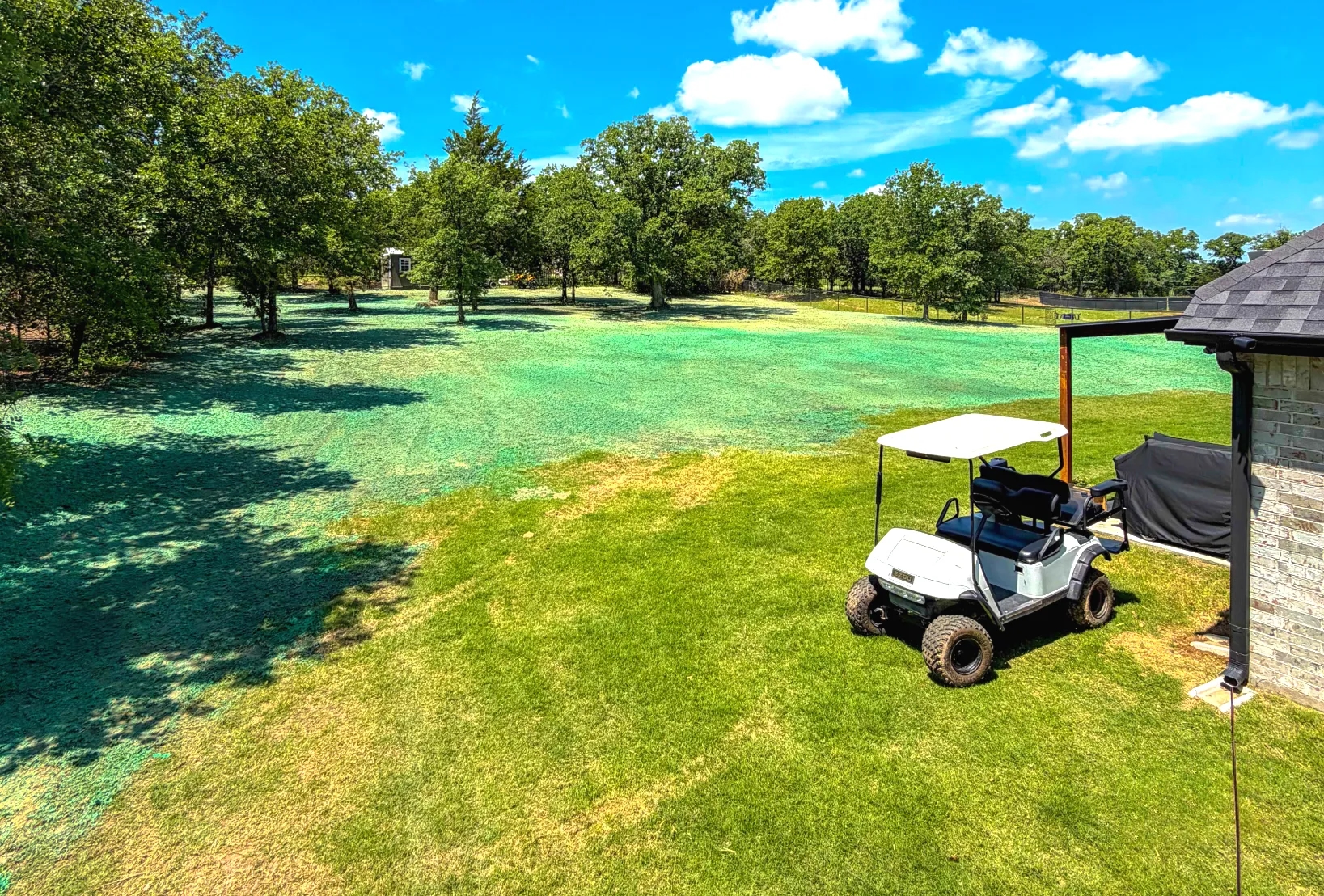
Understanding Commercial Hydroseeding and Its Cost Benefits
Commercial hydroseeding is a landscaping technique that distributes grass seed across prepared ground using specialized spraying equipment. The mixture typically contains water, seed, mulch fibers, and, when appropriate, fertilizer or a binding agent. These materials work together to provide more consistent coverage and help maintain moisture around developing seeds. Compared with manually spreading seed over a large property, hydroseeding can streamline the application process and reduce the amount of labor needed for extensive projects.
One of the main financial advantages is that businesses can establish grass without purchasing and installing rolls of mature turf. Sod provides an immediate green appearance, but its purchase, transportation, handling, and installation can increase the total project budget considerably. Hydroseeding generally requires less expensive planting materials, although the final cost depends on site preparation, seed selection, equipment access, and project size. For businesses that can accommodate a gradual establishment period, commercial hydroseeding services may provide a cost-effective alternative to more expensive landscaping methods.
Reducing Labor and Installation Expenses
Labor costs can quickly increase when landscaping crews must cover large commercial properties. Traditional seeding methods may require workers to distribute seed, spread protective materials, and complete several tasks across the site. Installing sod can involve even more handling because individual rolls or sections must be transported, positioned, trimmed, and fitted together. Hydroseeding simplifies the application stage by allowing trained operators to spray the seed mixture across broad areas with specialized equipment.
This efficiency can be especially valuable for business parks, warehouses, construction developments, and roadside projects where extensive ground coverage is required. Faster application may help contractors coordinate landscaping with other construction activities and reduce the time crews spend on repetitive planting tasks. However, savings depend on the site's layout, accessibility, and preparation requirements. Steep slopes, compacted soil, debris removal, and difficult equipment access can increase labor expenses regardless of the planting method. Businesses should compare complete project estimates rather than assuming hydroseeding will always be the least expensive option.
Lowering Material Costs Without Sacrificing Quality
Choosing appropriate landscaping materials is another way businesses can control project spending. Hydroseeding typically uses grass seed and a prepared slurry rather than mature turf, which can reduce material expenses on large properties. The seed mixture can also be customized to suit local growing conditions, sunlight exposure, soil characteristics, and the intended use of the landscape. Selecting suitable grass varieties from the beginning helps avoid spending money on plants that struggle to survive in the property's environment.
Professional contractors may recommend different seed blends for shaded areas, sunny lawns, roadside embankments, or spaces that experience regular foot traffic. Mulch can help retain moisture and protect seed during early growth, while soil amendments may be appropriate when the existing ground lacks suitable growing conditions. Cutting costs by choosing unsuitable seed or skipping necessary soil preparation can lead to thin grass, bare patches, and expensive corrective work. A well-planned application focuses on long-term value rather than simply selecting the cheapest materials available.
Preventing Erosion and Avoiding Costly Ground Repairs
Exposed soil can create problems for commercial properties, especially during periods of heavy rainfall or strong winds. Soil erosion may affect landscaped areas, construction sites, embankments, drainage channels, and roadside developments. When topsoil washes away, businesses may face additional expenses for grading, replacement soil, cleanup, and reseeding. Hydroseeding can help address these risks by distributing seed and mulch across prepared ground, where the mulch helps protect the soil surface while vegetation begins to develop.
The benefits depend on slope, rainfall intensity, drainage design, soil type, and the condition of the site. Hydroseeding alone may not provide sufficient erosion control on steep or highly vulnerable ground. Such locations may require erosion-control blankets, tackifiers, drainage improvements, or other stabilization measures recommended by a qualified professional. Establishing vegetation can contribute to longer-term soil protection as roots develop and help bind the ground together. By evaluating erosion risks before planting, businesses can choose appropriate measures and reduce the likelihood of preventable maintenance expenses.
How Proper Planning Reduces Long-Term Landscaping Costs
The initial application is only one part of the total cost of establishing a commercial lawn. Businesses must also consider watering, mowing, weed management, fertilization, and any repairs required during the establishment period. Hydroseeding can help control initial planting expenses, but the results depend heavily on proper preparation and follow-up care. A project that receives insufficient water or is exposed to heavy traffic before the grass becomes established may require additional seed and labor.
Before scheduling commercial hydroseeding services, property managers should evaluate irrigation access, seasonal weather, drainage, and the intended landscaping schedule. Contractors can use this information to recommend an appropriate seed mixture and application window. Consistent moisture is particularly important during germination, although watering schedules should be adjusted for rainfall and soil conditions to prevent waterlogging or runoff. Businesses should also restrict unnecessary traffic across newly seeded areas and follow professional recommendations for mowing. These practical steps help protect the initial investment and reduce the likelihood of costly rework.
Choosing Between Commercial and Residential Hydroseeding
Hydroseeding is not limited to large commercial developments. Homeowners also use the method to establish lawns, repair bare patches, and improve the appearance of newly landscaped yards. Searching online for residential hydroseeding near me can help homeowners identify providers that offer services for smaller properties. Although residential and commercial projects use similar application principles, their requirements may differ considerably in terms of site access, equipment, seed selection, scheduling, and total coverage area.
Businesses generally need contractors who understand larger-scale logistics, construction coordination, access restrictions, and the specific demands of commercial landscapes. Residential customers may prioritize backyard usability, curb appeal, and lawn maintenance around existing gardens or structures. Some contractors serve both markets, while others specialize in large commercial installations. Regardless of project type, customers should ask about preparation, materials, included services, and aftercare requirements before accepting an estimate. Comparing providers on these details helps ensure that the proposed service matches the property's needs and budget.
Finding a Reliable Contractor and Comparing Project Estimates
Selecting the right contractor is essential when the goal is to reduce landscaping costs without compromising quality. Businesses should look for providers with experience in commercial properties, construction sites, and projects similar in size and complexity to their own. Reviewing completed projects, customer feedback, references, and relevant insurance documentation can help property managers evaluate a company's suitability. A reliable contractor should also be willing to explain the proposed seed mixture, preparation requirements, application process, and expected establishment period.
When requesting estimates, businesses should ask for a clear breakdown of site preparation, seed and mulch materials, equipment use, labor, erosion-control measures, and any additional services. It is also important to clarify whether grading, soil amendments, irrigation work, and follow-up visits are included in the quoted price. The lowest estimate may not offer the best overall value if it excludes essential work or uses materials unsuitable for the site. Comparing detailed proposals allows decision-makers to evaluate the complete scope of each project and identify opportunities for meaningful savings.
Making Hydroseeding a Cost-Effective Business Investment
Commercial hydroseeding can help businesses manage landscaping budgets by reducing certain installation and material expenses, improving application efficiency, and supporting vegetation establishment across large areas. Its value is particularly apparent when mature sod is unnecessary and the property can accommodate the time required for grass to grow. However, the best financial results come from matching the method to the site's conditions rather than choosing it solely because the initial price appears attractive. Proper preparation, suitable seed selection, and consistent aftercare all contribute to a successful outcome.
For business owners, developers, and property managers, the most effective approach is to evaluate both upfront expenses and long-term maintenance requirements before committing to a landscaping plan. Working with an experienced contractor makes it easier to understand the available options, anticipate potential challenges, and establish realistic expectations. Whether the project involves an office complex, an industrial facility, a roadside embankment, or a large development site, thoughtful planning can help control avoidable costs. With the right materials, application strategy, and maintenance schedule, hydroseeding can be a practical investment in a healthier and more professional-looking commercial landscape.