
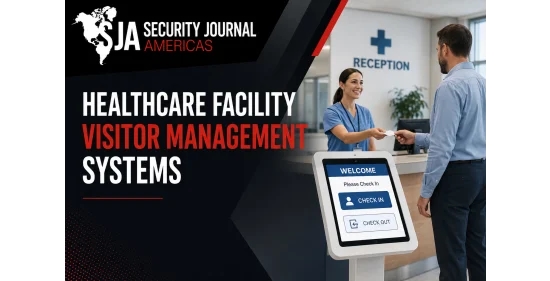
Healthcare facilities manage a constant flow of patients, employees, contractors, vendors, and visitors every day. Keeping track of everyone entering and leaving a hospital or medical facility is an important part of maintaining a secure and organised environment. Traditional paper-based sign-in procedures can make this difficult, particularly when facilities have multiple entrances, departments, or high visitor volumes.
Healthcare facility visitor management systems provide a digital approach to registering, monitoring, and managing visitors. By recording important visitor information and providing better visibility into who is present within a facility, these systems can help security and administrative teams improve visitor tracking while supporting smoother access procedures.
What Is Visitor Tracking in a Healthcare Facility?
Visitor tracking refers to the process of recording and monitoring people who enter and leave a healthcare facility. It can include information such as a visitor's identity, arrival time, departure time, destination, host, and reason for the visit.
In a busy hospital, knowing who is currently inside the building can be important for both everyday security operations and emergency situations. Manual visitor logs may provide some of this information, but they can be difficult to update, search, and monitor in real time.
Digital visitor management systems can centralise visitor information and make relevant records easier for authorised personnel to access.
How Do Healthcare Facility Visitor Management Systems Improve Visitor Tracking?
Healthcare facility visitor management systems use digital registration and monitoring tools to create more structured visitor records. Several features can contribute to improved tracking.
Digital Visitor Check-In and Check-Out
Digital check-in allows visitors to register their details electronically when they arrive. Depending on the system and facility policy, visitors may provide identification information, contact details, the person or department they are visiting, and the purpose of their visit.
When the visitor leaves, the system can record the check-out time. This creates a clearer record of when an individual entered and exited the facility.
Automating these processes can also reduce reliance on handwritten logs and help reception teams manage visitor information more consistently.
Real-Time Visitor Monitoring
One of the key advantages of digital visitor tracking is improved visibility into current visitors. Authorised staff can use the system to determine which visitors have checked in and have not yet checked out.
This information can be particularly useful in larger healthcare facilities where visitors may enter through different access points. A centralised system can provide security personnel with a more up-to-date view of visitor activity.
Visitor Identification and Verification
Healthcare facilities need to distinguish between authorised visitors, staff members, contractors, and other individuals entering the premises. Visitor management systems can support identity verification as part of the registration process.
Depending on the technology used, verification may involve identification documents, photographs, QR codes, or other credentials. Once registration has been completed, the system can associate the visitor with the relevant host or department.
This can help staff determine whether a person has completed the required visitor registration process.
Automated Visitor Badges
Visitor badges provide a visible way to distinguish registered visitors from other people inside a healthcare facility. Digital visitor management systems can generate temporary badges containing information such as a visitor's name, photograph, destination, or access permissions, depending on the facility's requirements.
Badges can help employees and security personnel recognise registered visitors and identify people who may require further verification.
Access Records and Visit History
A digital system can maintain historical visitor records that authorised personnel can search when necessary. These records may show previous visits, check-in and check-out times, hosts, departments, and other relevant information.
Maintaining organised records can be useful when a facility needs to review visitor activity following a security incident or investigate a specific access event.
However, healthcare organisations should establish appropriate data retention, access, and privacy procedures when collecting visitor information.
What Information Can Visitor Management Systems Track?
The exact information collected depends on the system and the healthcare facility's policies. Common visitor information can include:
Visitor name
Contact information
Identification or verification details
Check-in and check-out times
Person or department being visited
Purpose of the visit
Visitor badge or credential information
Access permissions
Current visitor status
Collecting only information that is necessary for the intended purpose can help organisations maintain an appropriate balance between security and privacy.
How Does Visitor Tracking Support Healthcare Facility Security?
Visitor tracking can contribute to healthcare security in several ways. Security personnel can have greater awareness of who has entered the facility and which visitors remain on site.
Accurate visitor records can also support access management by helping staff determine whether an individual is authorised to enter a particular area. Where visitor management is integrated with access control, permissions can potentially be aligned with designated areas and facility policies.
Visitor records may also provide useful information when reviewing security incidents. For example, authorised personnel may be able to identify which registered visitors were present at a particular time.
During emergencies, knowing how many visitors are currently inside a facility can also support accountability procedures. Visitor information can be considered alongside employee and patient records when organisations are carrying out evacuation or emergency response activities.
What Are the Challenges of Manual Visitor Tracking?
Manual visitor logs can be simple to implement, but they may create several operational challenges.
Handwritten information can sometimes be incomplete, inconsistent, or difficult to read. Finding a particular visitor record may also require manually reviewing multiple pages or logbooks.
Manual processes can make it harder for security teams to maintain an accurate real-time visitor count. If visitors forget to sign out, for example, the records may indicate that they are still inside the facility even when they have already left.
Paper records can also be more difficult to share with authorised personnel across different departments or entrances.
Digital visitor management can address some of these limitations by creating structured records and automating parts of the registration process.
How Can Healthcare Facilities Improve Visitor Tracking?
Implementing technology is only one part of improving visitor tracking. Healthcare organisations should also establish clear processes around how visitors are registered and monitored.
Facilities can begin by reviewing their existing visitor flow and identifying busy entrances, sensitive areas, and common access challenges. Clear visitor policies can then define who needs to register, which areas visitors can access, and when identification or escort procedures are required.
Staff training is also important. Receptionists, security personnel, and other relevant employees should understand how the system works and what procedures to follow when unusual visitor situations occur.
Healthcare facilities should also regularly review visitor records, system performance, and privacy practices to ensure the process continues to meet operational and security requirements.
What Should Healthcare Facilities Consider When Choosing a Visitor Management System?
Different healthcare facilities have different visitor volumes, layouts, security requirements, and operational needs. Several factors should therefore be considered before selecting a system.
Ease of Use
The check-in process should be straightforward for visitors and staff. Complicated procedures can create queues and reduce adoption.
Identity Verification
Facilities should consider whether the system provides the verification capabilities required by their visitor policies.
Real-Time Tracking
The ability to view current visitors can be valuable for security teams, particularly in large or multi-building healthcare environments.
Reporting and Audit Trails
Searchable records and reporting functions can help authorised personnel review visitor activity and investigate relevant events.
Access Control Integration
Integration with access control systems may allow visitor permissions to be managed more efficiently, depending on the facility's requirements and technology infrastructure.
Emergency Management Features
Healthcare organisations can consider systems that provide visitor information that may support emergency accountability procedures.
Data Security and Privacy
Because visitor systems collect personal information, healthcare facilities should assess data protection, user permissions, retention policies, and other security controls before implementation.
How Can Visitor Management Technology Improve the Visitor Experience?
Security and convenience do not necessarily have to conflict. A well-designed visitor management process can reduce unnecessary paperwork and make check-in more efficient.
Digital registration can allow visitors to complete required information without filling out lengthy paper forms. Automated notifications can also help hosts know when their visitors have arrived, depending on the system's capabilities.
A clear process can reduce confusion at reception areas while giving security personnel the information they need to manage access appropriately.
Conclusion
Healthcare facility visitor management systems can improve visitor tracking by creating structured digital records, supporting identity verification, monitoring check-in and check-out activity, and providing authorised personnel with better visibility of visitors inside a facility. They can also support access management, security investigations, and emergency accountability when implemented alongside appropriate policies and procedures.
As healthcare organisations continue to adopt digital security technologies, effective visitor management can become an important part of a broader facility security strategy. Security Journal Americas explores developments, technologies, and practical approaches shaping modern security operations, including solutions designed to help organisations manage evolving security challenges.