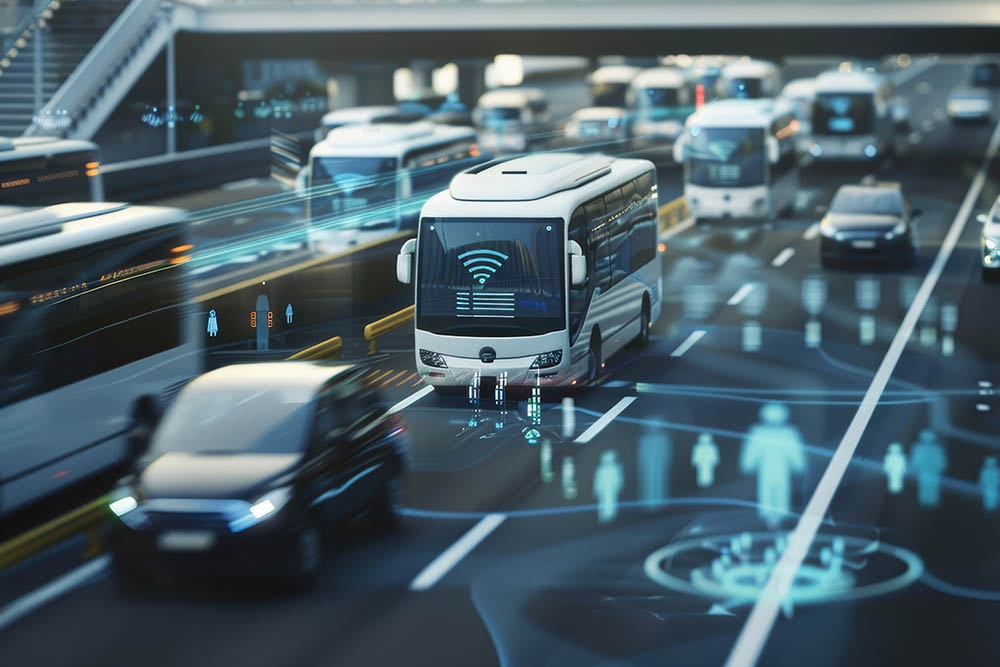
Managing a fleet involves much more than tracking vehicle locations. Fleet operators must oversee maintenance schedules, monitor driver performance, control fuel expenses, improve productivity, and ensure customer satisfaction. As fleets grow, handling these responsibilities manually becomes increasingly difficult.
This is why businesses across transportation, logistics, construction, and field service industries are investing in a Fleet Management System. A centralized system helps organizations streamline operations, improve visibility, and make informed decisions based on real-time data.
For businesses looking to improve efficiency and reduce operational complexity, a fleet management system has become an essential technology solution.
What Is a Fleet Management System?
A Fleet Management System is a software platform designed to help businesses monitor, manage, and optimize fleet operations from a single dashboard.
The system typically provides tools for:
Vehicle management
Driver monitoring
Maintenance scheduling
Performance reporting
Route optimization
Asset tracking
By centralizing fleet information, businesses gain greater control over daily operations.
Why Do Businesses Need a Fleet Management System?
As fleet operations expand, maintaining visibility becomes more challenging.
Common issues faced by fleet operators include:
Rising fuel costs
Vehicle downtime
Inefficient scheduling
Poor resource allocation
Limited operational visibility
A Fleet Management System helps address these challenges by providing accurate data and automated management tools.
How Does a Fleet Management System Improve Visibility?
Operational visibility is essential for effective fleet management.
A Fleet Management System allows managers to monitor:
Vehicle activity
Driver performance
Fleet utilization
Maintenance status
Operational trends
Having access to this information in real time helps organizations respond quickly to operational challenges.
Can GPS Tracking Enhance Fleet Management?
Modern fleet systems often integrate with GPS Tracking Software to provide real-time vehicle visibility.
GPS tracking helps businesses:
Monitor vehicle locations
Improve dispatch decisions
Optimize routes
Reduce unauthorized vehicle usage
Increase operational control
The combination of tracking and management tools creates a more efficient fleet environment.
How Does It Improve Vehicle Maintenance?
Unexpected vehicle breakdowns can disrupt operations and increase repair costs.
A Fleet Management System helps businesses:
Schedule preventive maintenance
Track service history
Monitor maintenance intervals
Receive service reminders
Reduce vehicle downtime
Proactive maintenance management improves vehicle reliability and extends asset lifespan.
Can a Fleet Management System Reduce Operating Costs?
Cost control is one of the primary reasons businesses adopt fleet technology.
A Fleet Management System helps reduce expenses by:
Improving fuel efficiency
Optimizing routes
Reducing idle time
Increasing vehicle utilization
Supporting preventive maintenance
These improvements help organizations lower operating costs while improving overall performance.
How Does It Improve Driver Management?
Drivers play a significant role in fleet efficiency and safety.
A Fleet Management System provides insights into:
Driving behavior
Route compliance
Productivity levels
Vehicle usage
Operational performance
Managers can use this information to improve accountability and support driver development initiatives.
What Role Does Fleet Management Software Play?
While a Fleet Management System provides operational oversight, advanced Fleet Management Software expands functionality through detailed analytics and automation tools.
Together, these technologies help businesses:
Monitor fleet performance
Analyze operational trends
Improve decision-making
Automate workflows
Enhance productivity
The integration creates a comprehensive fleet management solution.
Can a Fleet Management System Improve Customer Service?
Customer satisfaction often depends on efficient fleet operations.
A Fleet Management System helps businesses:
Improve delivery accuracy
Reduce service delays
Enhance scheduling efficiency
Provide better communication
Increase service reliability
These improvements contribute to stronger customer relationships and improved business reputation.
How Does It Support Business Growth?
Growing businesses require systems that can scale alongside operations.
A Fleet Management System supports expansion by helping organizations:
Manage larger fleets efficiently
Centralize operational data
Improve resource allocation
Automate routine tasks
Maintain operational consistency
This scalability allows businesses to grow without sacrificing efficiency.
Can Data Analytics Improve Fleet Performance?
Data-driven decision-making is becoming increasingly important in fleet operations.
A Fleet Management System generates reports that help businesses:
Measure productivity
Monitor fleet utilization
Track maintenance performance
Evaluate driver efficiency
Identify improvement opportunities
These insights support continuous operational improvement.
Conclusion
Managing a fleet efficiently requires visibility, organization, and accurate information. A Fleet Management System provides businesses with the tools needed to streamline operations, reduce costs, and improve overall fleet performance.
When integrated with GPS Tracking Software and advanced Fleet Management Software, businesses gain a complete solution for monitoring vehicles, managing resources, and supporting long-term growth.
As fleet operations continue to evolve, organizations that invest in modern fleet management technology will be better positioned to improve efficiency, enhance customer service, and maintain a competitive advantage.
Read More: How flotilla iot white label gps vehicle tracking software can boost your fleet business