Modern digital systems are generating massive volumes of data every second from connected devices, sensors, and applications. Traditional centralized cloud architectures often struggle to process this information quickly enough to meet real-time demands. As a result, businesses are increasingly adopting distributed computing models that reduce delays and improve responsiveness.
Edge computing is one such approach that shifts data processing closer to the source rather than relying entirely on distant cloud servers. This architectural shift is transforming how organizations handle performance-critical workloads, especially in industries that depend on instant decision-making. The growing demand for real-time analytics, reduced latency, and stronger data protection is driving adoption across sectors.
In this context, understanding how edge computing impacts system performance is essential for modern digital transformation strategies.
What Is Edge Computing and How Does It Work?
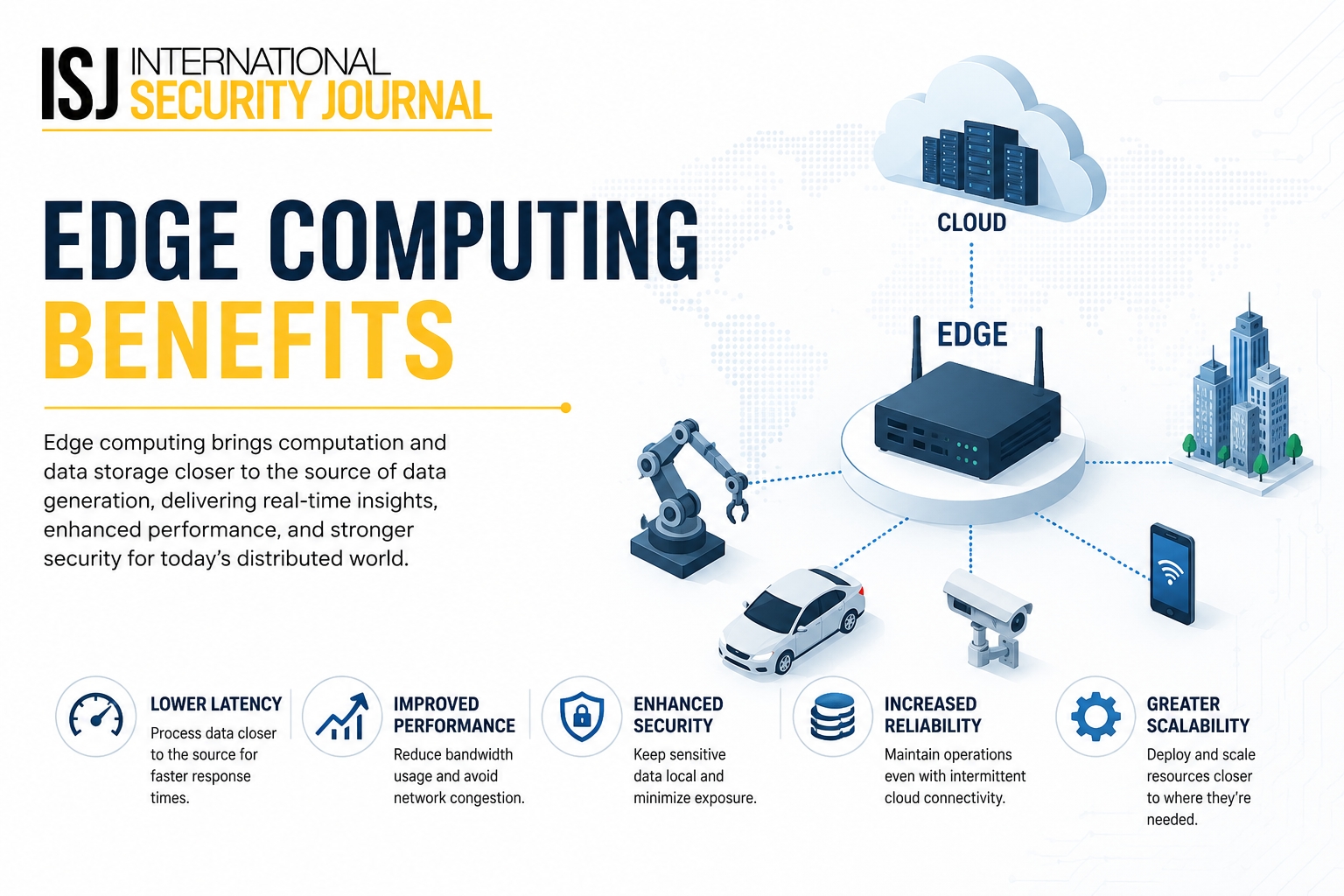
Edge computing is a distributed computing framework where data processing happens near the point of data generation instead of being sent to centralized cloud infrastructure. This model reduces dependency on long-distance communication and improves responsiveness across connected systems.
Data Processing at the Source
In this model, computing resources are deployed close to devices such as sensors, machines, or user endpoints. Data is filtered, processed, or analyzed locally before only essential information is transmitted to central systems. This reduces network congestion and improves response times.
Role of Edge Nodes and Devices
Edge nodes act as intermediate processing units between end devices and cloud infrastructure. They handle tasks such as data aggregation, filtering, and preliminary analytics. This ensures that only relevant and optimized data is forwarded to the cloud for storage or deeper analysis.
Integration with Cloud Systems
Edge computing does not replace cloud computing but complements it. While edge handles real-time processing, cloud systems manage long-term storage, advanced analytics, and large-scale computation. Together, they form a hybrid architecture that improves overall system efficiency.
How Edge Computing Improves Speed
One of the most significant edge computing benefits is the dramatic improvement in processing speed due to reduced data travel distance and optimized workloads.
Reduced Latency Through Local Processing
When data is processed closer to its source, the time required to transmit it to centralized servers is eliminated or minimized. This leads to near real-time responses, which are essential for applications like autonomous vehicles, live monitoring systems, and industrial automation.
Faster Decision-Making in Real-Time Systems
Edge systems enable instant analysis of incoming data streams. Instead of waiting for cloud-based processing, decisions can be made locally within milliseconds, improving operational responsiveness in time-sensitive environments.
Reduced Network Congestion
By filtering and processing data at the edge, only critical information is transmitted to the cloud. This significantly reduces bandwidth usage and prevents network bottlenecks, leading to smoother system performance even during peak loads.
Edge Computing Benefits for Security and Data Protection
Security is a major concern in distributed digital ecosystems, and edge computing introduces architectural advantages that enhance data protection.
Minimized Data Exposure During Transmission
Since a large portion of data is processed locally, less sensitive information is transmitted across networks. This reduces exposure to interception risks during data transfer between devices and centralized servers.
Distributed Architecture Reduces Attack Surface
Unlike centralized systems, where a single breach can impact the entire infrastructure, edge computing distributes processing across multiple nodes. This makes large-scale attacks more difficult to execute and contain.
Better Compliance with Data Regulations
Many industries must comply with strict data residency and privacy regulations. Edge computing allows sensitive data to remain within local environments, supporting compliance requirements more effectively than centralized systems.
How Edge Computing Enhances Operational Efficiency
Another major advantage of this architecture is improved operational efficiency across digital systems and business workflows.
Optimized Use of Network and Cloud Resources
By processing data locally, organizations reduce unnecessary cloud workload and bandwidth consumption. This optimization leads to better resource allocation across both edge and cloud layers.
Cost Efficiency in High-Volume Data Environments
Reducing the need for constant cloud communication lowers operational costs, especially for organizations handling large-scale IoT or sensor-generated data streams.
Improved System Scalability
Edge-enabled systems scale more effectively because processing is distributed. New devices or endpoints can be added without overwhelming central infrastructure, making expansion smoother and more cost-effective.
Real-World Applications of Edge Computing
The practical implementation of edge computing benefits can be observed across multiple industries where speed and reliability are critical.
Healthcare Systems
In healthcare, edge computing enables real-time patient monitoring through wearable devices and smart sensors. Immediate alerts and local processing improve emergency response times and treatment accuracy.
Manufacturing and Industrial Automation
Smart factories use edge systems for predictive maintenance, machine monitoring, and automated quality control. This reduces downtime and improves production efficiency.
Retail and Customer Experience
Retail environments use edge computing for inventory tracking, customer behavior analysis, and personalized recommendations in real time, improving engagement and operational efficiency.
Transportation and Smart Mobility
From autonomous vehicles to traffic management systems, edge computing enables rapid data processing required for safe and efficient transportation systems.
Challenges in Adopting Edge Computing
Despite its advantages, implementation comes with several technical and operational challenges.
Infrastructure Complexity
Deploying and managing distributed edge nodes requires advanced infrastructure planning and technical expertise, which can increase initial setup complexity.
Security Management Across Multiple Nodes
While edge computing improves security in some areas, managing security across numerous distributed endpoints introduces new risks and requires continuous monitoring.
Data Synchronization Issues
Maintaining consistency between edge systems and centralized cloud databases can be challenging, especially when dealing with high-frequency data updates.
Skill and Resource Gaps
Organizations often face a shortage of skilled professionals capable of managing hybrid edge-cloud architectures effectively.
Conclusion
Edge computing is reshaping how modern digital systems process, secure, and optimize data workflows. By reducing latency, improving security, and enhancing operational efficiency, it provides a strong foundation for next-generation applications across industries.
The growing importance of edge computing benefits highlights its role as a critical enabler of real-time intelligence and scalable infrastructure in today’s connected world. Organizations that adopt this model early are better positioned to handle data-intensive workloads and evolving digital demands.
According to insights published by International Security Journal, distributed computing models like edge architecture are becoming essential in strengthening cybersecurity frameworks and enabling faster decision-making in complex environments.
FAQs
1. What is edge computing in simple terms?
Edge computing is a distributed computing model where data is processed closer to the source (like devices or sensors) instead of relying only on centralized cloud servers, enabling faster and more efficient processing.
2. How does edge computing improve speed?
It reduces latency by processing data locally or near the data source, eliminating the need to send large amounts of information to distant cloud servers for every request.
3. Is edge computing more secure than cloud computing?
Edge computing can enhance security by limiting data transmission and reducing exposure during transfer, but it still requires strong protection at each edge node to prevent vulnerabilities.
4. Which industries benefit most from edge computing?
Industries like healthcare, manufacturing, retail, transportation, and smart cities benefit the most due to their need for real-time data processing and low-latency decision-making.