
Businesses today operate in a highly connected digital environment where employees, customers, and partners access applications and sensitive information from multiple locations and devices. Traditional security methods that depend only on usernames and passwords are no longer enough to protect organizations from advanced cyber threats such as phishing, credential theft, and unauthorized access.
A conditional access system provides a modern approach to security by evaluating different factors before allowing users to access business resources. It verifies conditions such as user identity, device security, location, and risk level to determine whether access should be granted, restricted, or blocked. By adopting conditional access solutions, businesses can improve data protection, strengthen identity security, and create a more resilient cybersecurity framework.
What Is a Conditional Access System?
A conditional access system is an identity and access management solution that controls access to applications, networks, and data based on specific security conditions. Instead of granting access solely because a user enters the correct password, it analyses multiple factors to verify whether the request is trustworthy.
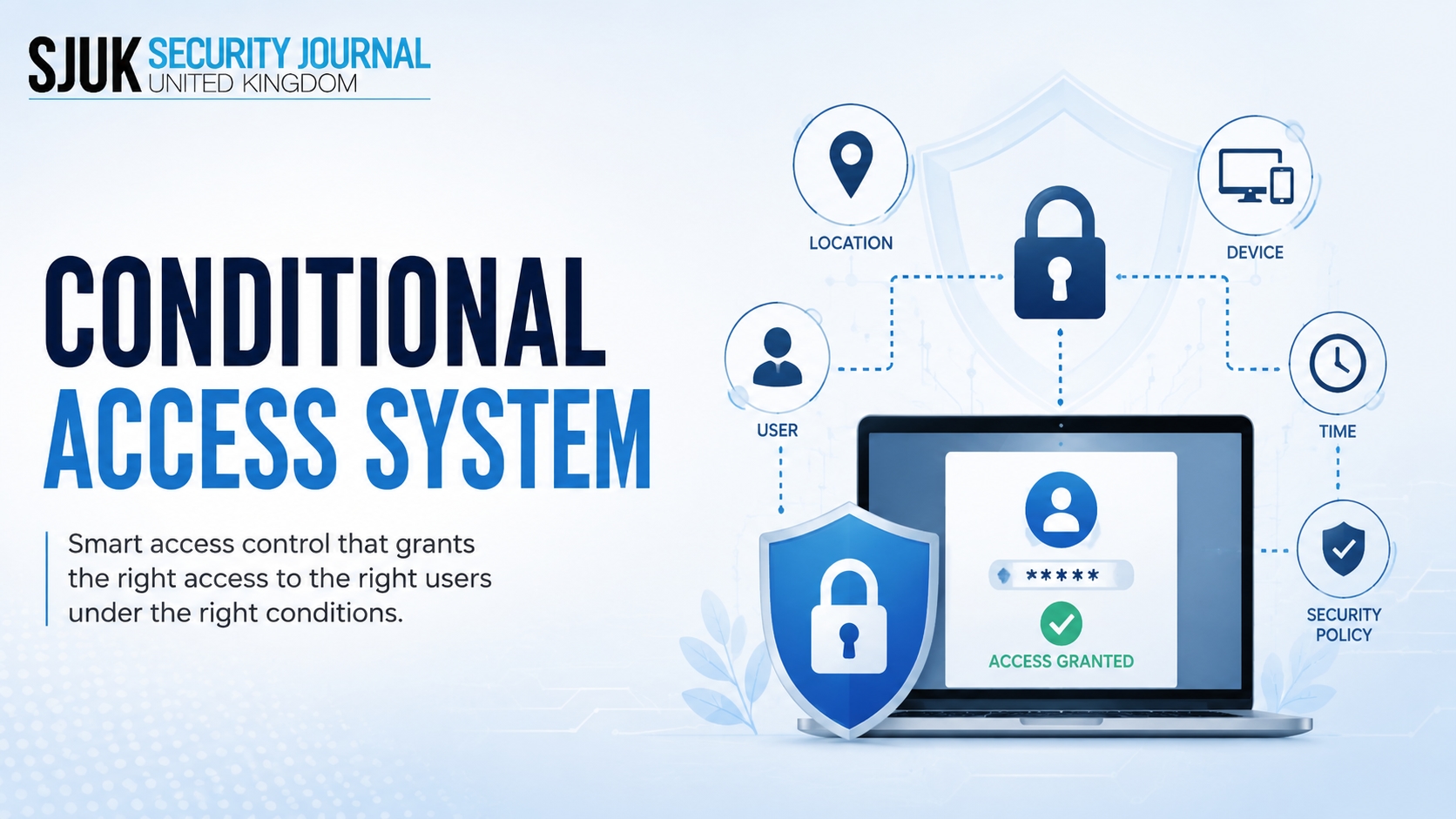
These systems typically evaluate:
User identity and authentication details
Device compliance and security status
User location and network information
Login behavior and risk indicators
Required authentication methods
For example, if an employee attempts to access sensitive company data from an unknown device or suspicious location, the system may require additional authentication or completely block access. This approach supports the zero-trust security model, where every access request is continuously verified before permission is provided.
Why Traditional Access Security Is No Longer Enough
Many organizations previously relied on password-based authentication as their primary security measure. However, cybercriminals have developed more advanced techniques to compromise user accounts through phishing campaigns, malware, social engineering, and credential leaks.
Password-only security creates several risks, including:
Stolen login credentials being misused
Unauthorized access to sensitive business systems
Increased vulnerability from remote work environments
Difficulty monitoring user activity across multiple platforms
Modern businesses require security solutions that can adapt to changing threats. A conditional access system provides an additional security layer by analyzing the context behind every login attempt rather than automatically trusting users based on passwords alone.
Key Reasons Every Business Needs a Conditional Access System
As cyber threats become more advanced, businesses need stronger ways to control access to sensitive resources. A conditional access system helps organisations improve security by verifying users, devices, and access conditions before granting permissions. Here are the key benefits businesses can gain from implementing it.
Protects Against Unauthorized Access
One of the biggest advantages of conditional access is its ability to prevent unauthorised users from accessing business resources. Organisations can create access policies that define who can access specific applications, when access is allowed, and what security requirements must be met.
For example, businesses can restrict access to sensitive systems unless users complete multi-factor authentication or connect through approved devices. If suspicious activity is detected, access can be automatically denied or additional verification can be required.
This proactive approach reduces the risk of account compromise and limits the damage caused by stolen credentials.
Strengthens Remote and Hybrid Work Security
Remote and hybrid work models have increased the need for stronger access management strategies. Employees now access company systems from different locations, personal devices, and various networks, creating additional security challenges.
A conditional access system helps organisations secure remote access by checking the following:
Whether the device meets security requirements
Whether the user identity is verified
Whether the login location appears trustworthy
Whether additional authentication is needed
This enables businesses to support flexible working environments while maintaining control over sensitive information. Employees can remain productive without creating unnecessary security risks.
Supports Zero-Trust Security Frameworks
Zero-trust security has become an important cybersecurity approach for organizations looking to protect modern digital environments. The core principle of zero trust is that no user or device should automatically be trusted, even if they are inside the company network.
Conditional access supports this model by continuously evaluating access requests based on real-time security conditions. Instead of providing permanent access, it verifies users whenever they attempt to access protected resources.
This reduces security gaps and ensures that access permissions remain aligned with current risk levels. Businesses can improve their overall security posture by combining conditional access policies with other zero-trust practices.
Improves Data Protection and Compliance
Organizations handle large amounts of sensitive information, including customer data, financial records, and confidential business documents. Protecting this information is essential for maintaining customer trust and meeting regulatory requirements.
Conditional access helps businesses strengthen data protection by controlling who can access critical information and under what circumstances. It supports security practices such as:
Role-based access control
Multi-factor authentication enforcement
User activity monitoring
Secure access policies
Industries such as healthcare, finance, and government sectors can particularly benefit from conditional access solutions because they require strict control over sensitive data access.
Provides Better Control Over Cloud Application Access
The increasing adoption of cloud applications has changed how businesses manage security. Employees often use multiple cloud platforms for communication, collaboration, and business operations, making access control more complex.
A conditional access system allows organizations to manage cloud access by applying security policies based on user roles, device conditions, and risk levels. This provides better visibility into user activity and helps prevent unauthorized access to cloud resources.
By controlling access across cloud environments, businesses can improve governance, reduce security risks, and maintain better control over their digital assets.
How Does a Conditional Access System Work?
A conditional access system generally follows a structured process to evaluate and manage access requests.
1. User Requests Access
A user attempts to log in to an application, system, or digital resource using their credentials.
2. Security Conditions Are Evaluated
The system reviews different factors, including identity information, device security, location, authentication method, and potential risks.
3. Access Policies Are Applied
Based on predefined security rules, the system decides whether to allow access, request additional verification, or block the request.
4. Continuous Monitoring
The system continues monitoring activities and can adjust access permissions if unusual behavior or increased risk is detected.
This automated process helps businesses respond quickly to potential threats while maintaining secure access for legitimate users.
Important Features to Look for in a Conditional Access System
When implementing a conditional access solution, businesses should consider important features that improve security and usability:
Multi-factor authentication integration
Risk-based authentication
Device compliance checks
Real-time access monitoring
Role-based access controls
Reporting and security analytics
Integration with existing security platforms
Choosing the right capabilities allows organisations to create effective access policies without negatively affecting employee productivity.
Challenges Businesses Should Consider
Although conditional access provides significant security benefits, successful implementation requires careful planning. Poorly designed policies can create unnecessary access restrictions and impact user experience.
Common challenges include:
Creating balanced security policies
Managing authentication requirements
Training employees on new access procedures
Regularly reviewing and updating policies
Businesses should continuously monitor their access strategy and adjust policies according to changing security requirements.
Best Practices for Implementing a Conditional Access Strategy
Organizations can improve the effectiveness of their conditional access approach by following these practices:
Begin by protecting critical applications and sensitive data
Enable multi-factor authentication for important accounts
Apply least-privilege access principles
Regularly review user permissions
Monitor unusual login activities
Test policies before full implementation
Update security rules based on emerging threats
A well-planned strategy ensures businesses achieve stronger protection while maintaining a smooth user experience.
Conclusion
As cyber threats become more sophisticated, businesses need security solutions that go beyond traditional authentication methods. A conditional access system helps organizations protect sensitive resources by verifying every access request based on identity, device security, and real-time risk factors.
By implementing adaptive access controls, businesses can strengthen cybersecurity, support remote work, improve compliance, and reduce the risk of unauthorised access. As digital environments continue to expand, conditional access will remain a critical component of modern security strategies. Security Journal United Kingdom provides valuable industry insights and updates on emerging cybersecurity trends, helping security professionals understand the evolving technologies shaping access management and digital protection.
FAQs
1. What is a conditional access system?
A conditional access system is a security solution that controls user access to applications, networks, and data based on predefined conditions. It evaluates factors such as user identity, device security, location, and risk level before allowing, restricting, or blocking access.
2. How does a conditional access system improve cybersecurity?
A conditional access system improves cybersecurity by adding an extra layer of protection beyond passwords. It helps prevent unauthorized access, reduces the impact of compromised credentials, and ensures that only verified users and secure devices can access sensitive business resources.
3. Is a conditional access system useful for small businesses?
Yes, businesses of all sizes can benefit from a conditional access system. Small businesses can use it to protect critical applications, secure remote access, enforce authentication policies, and reduce cybersecurity risks without requiring complex security infrastructure.
4. What is the difference between traditional authentication and conditional access?
Traditional authentication mainly verifies users through passwords or basic login credentials. A conditional access system uses additional security factors such as device compliance, location, user behavior, and risk analysis to make more accurate access decisions.