
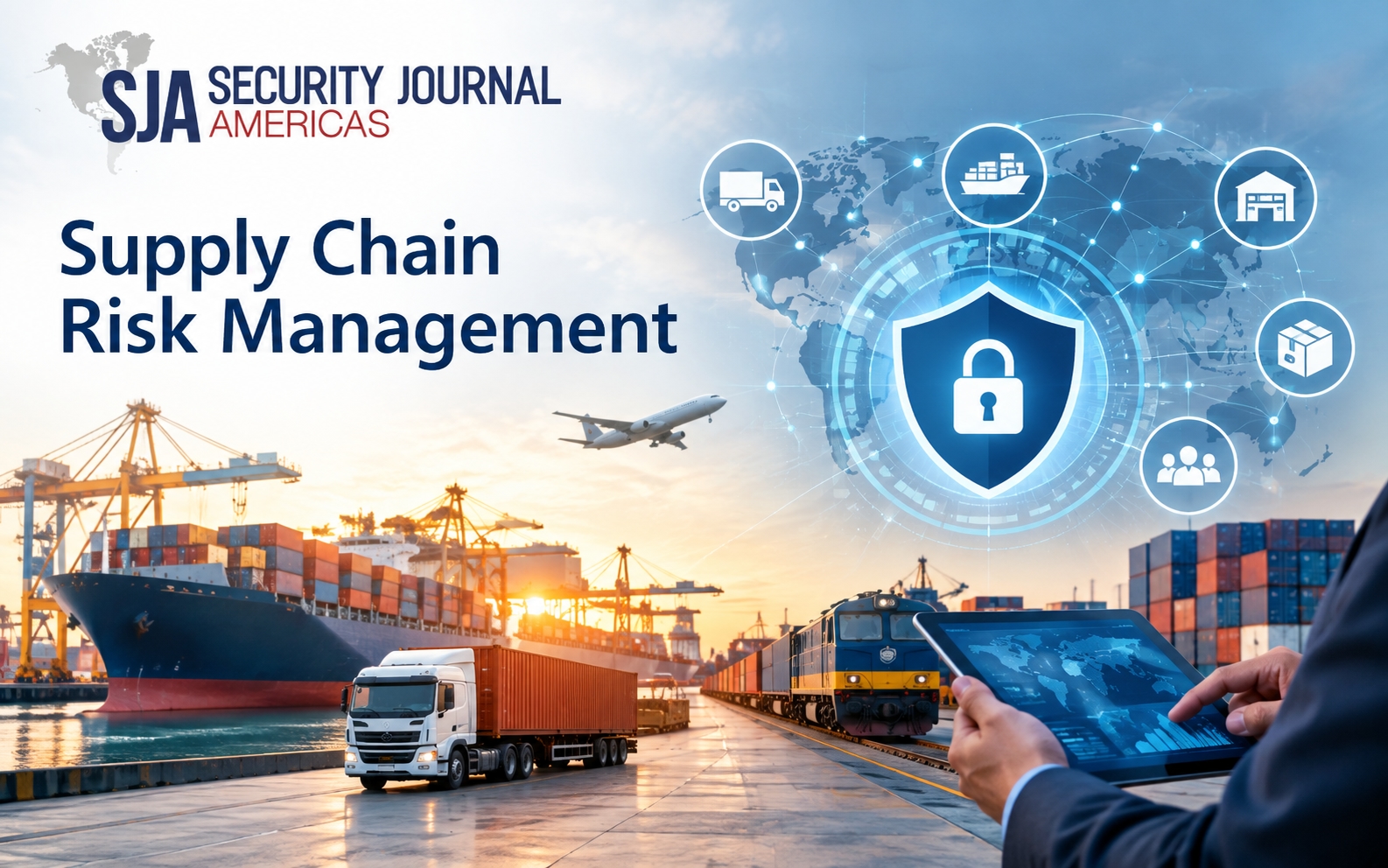
Modern organisations rely on complex supply chains involving suppliers, manufacturers, logistics providers, technology platforms and distribution networks. While these connections help businesses operate efficiently, they can also create vulnerabilities. A disruption at one point in the chain can affect production, delivery schedules, customer service and financial performance.
From supplier failures and transportation delays to cyberattacks, extreme weather and geopolitical uncertainty, organisations face a wide range of risks that can interrupt critical operations. Preparing for these risks requires more than reacting to disruptions after they occur. Businesses need structured processes that help them identify vulnerabilities, prepare appropriate responses and recover quickly. Supply Chain Risk Management helps organisations achieve this by providing a structured approach to identifying potential threats, assessing their impact and developing appropriate mitigation strategies.
When integrated with business continuity and resilience planning, this approach can help businesses maintain essential operations, respond more effectively to disruptions and adapt to unexpected changes across their supply networks.
What Is Supply Chain Risk Management?
Supply chain risk management is the process of identifying, assessing, monitoring and mitigating risks that could disrupt the flow of goods, services, information or resources throughout a supply chain.
These risks can originate inside or outside an organisation. For example, a supplier may experience financial difficulties, a transportation route may become unavailable, or a third-party technology provider could experience a cyber incident. Organisations may also face risks associated with regulatory changes, natural disasters, labour shortages or geopolitical developments.
An effective approach starts with understanding the supply chain and identifying critical dependencies. Businesses can then assess the likelihood and potential impact of different risks before establishing appropriate mitigation and response measures.
Why Is Business Resilience Important for Modern Supply Chains?
Business resilience refers to an organisation's ability to prepare for disruptions, continue important activities and recover from adverse events. Supply chain resilience is an important part of this capability because organisations often depend on external parties for essential products, services and infrastructure.
A disruption affecting one supplier or logistics provider can potentially create consequences across multiple areas of a business. Delayed materials can affect production, while distribution problems can lead to delivery delays and customer dissatisfaction.
Resilient organisations therefore focus on preparation rather than relying entirely on emergency responses. They identify important dependencies, establish alternative arrangements and regularly review their ability to respond to different scenarios.
Managing Operational Disruptions
Supply chain disruptions can occur for many reasons. Equipment failures, supplier shortages, transportation problems or infrastructure interruptions can prevent organisations from receiving the resources they need.
Risk management enables businesses to identify these vulnerabilities in advance. By understanding which suppliers, facilities, routes or services are critical, organisations can establish contingency measures that reduce the potential impact of operational interruptions.
Protecting Business Continuity
Business continuity depends on an organisation's ability to maintain critical functions during a disruption. Supply chain planning can support this objective by identifying alternative suppliers, backup logistics arrangements, emergency inventory requirements and recovery procedures.
These measures do not eliminate every disruption, but they can provide organisations with additional options when normal supply channels are unavailable.
Maintaining Customer Trust
Customers expect businesses to provide products and services consistently. Extended supply chain disruptions can affect delivery schedules, product availability and service quality.
Organisations with greater supply chain visibility and preparedness may be better positioned to communicate with customers and adjust operations when disruptions occur. Clear communication and effective response planning can help businesses manage expectations during challenging circumstances.
How Does Supply Chain Risk Management Strengthen Business Resilience?
Identifying Risks Before They Escalate
One of the most important benefits of proactive risk management is early identification. Organisations can map their supply chains and assess potential vulnerabilities across suppliers, facilities, transportation networks, technology systems and other dependencies.
Risk assessments can then be used to prioritise threats based on factors such as likelihood, operational impact and recovery requirements. This helps organisations focus resources on areas where disruption could have significant consequences.
Improving Supplier Diversification
Dependence on a single supplier can create significant vulnerability, particularly when that supplier provides a critical product or service. If the supplier experiences an operational or financial problem, the organisation may have limited alternatives.
Supplier diversification can reduce this dependency. Businesses may evaluate multiple sourcing options, maintain relationships with alternative suppliers or identify substitute materials and services. The appropriate approach depends on the organisation's requirements, industry and risk profile.
Strengthening Supply Chain Visibility
Visibility is essential for effective risk management. Organisations need to understand where their products, services, information and dependencies originate and how they move through the supply network.
Digital platforms, supplier communication systems and real-time monitoring can provide greater visibility into supply chain activity. Better information can help businesses identify emerging issues and make decisions before relatively small problems become larger disruptions.
Preparing Effective Contingency Plans
Contingency planning gives organisations predefined options for responding to supply chain disruptions. Depending on the business, plans may include alternative suppliers, backup transportation routes, additional inventory, emergency communication procedures or temporary operational arrangements.
These plans should be tested periodically. A contingency plan that exists only as a document may not provide the expected value during a real incident. Exercises and scenario testing can help identify gaps and clarify responsibilities.
Reducing Cybersecurity Risks
Modern supply chains increasingly depend on digital systems and third-party technology. Suppliers, logistics companies, cloud platforms and other partners may have access to business information or connected systems.
This creates cybersecurity considerations that extend beyond an organisation's internal network. Businesses can assess third-party security practices, establish appropriate access controls, monitor connections and include cybersecurity requirements in supplier relationships.
A supply chain cyber incident can potentially interrupt operations even when an organisation's own systems remain functional. Consequently, cybersecurity should form part of broader supply chain resilience planning.
Supporting Faster Recovery
Resilience is not simply about preventing disruption. It also involves the ability to recover when disruption occurs.
Organisations with established response procedures, alternative resources and clear communication channels may have more options available during an incident. By regularly reviewing recovery plans and learning from previous disruptions, businesses can improve their ability to restore normal operations.
What Are the Key Risks Addressed?
Organisations can face different types of supply chain risks depending on their industry and operating environment. Common examples include:
Supplier risks: Financial instability, quality issues, production failures or supplier dependency.
Cybersecurity risks: Ransomware, data breaches, compromised third-party systems and unauthorised access.
Transportation risks: Port congestion, road closures, shipping delays and logistics disruptions.
Natural hazards: Floods, wildfires, storms, earthquakes and other events that affect facilities or transportation.
Geopolitical risks: Trade restrictions, political instability, sanctions and changes in international regulations.
Operational risks: Equipment failures, labour shortages and production interruptions.
Technology risks: System outages, software failures and dependencies on critical digital platforms.
Market risks: Changes in demand, costs, availability of materials and economic conditions.
Understanding these categories allows organisations to develop a more complete view of their exposure.
What Role Does Technology Play?
Technology can support supply chain risk management by improving visibility, analysis and communication. Artificial intelligence and predictive analytics can help organisations identify patterns in large volumes of operational data, while IoT devices can provide information about assets, inventory and environmental conditions.
Cloud-based platforms can facilitate information sharing between organisations and suppliers, while automated monitoring systems can provide alerts when predefined conditions change.
However, technology should support rather than replace sound risk management processes. Organisations also need reliable data, clearly defined responsibilities, appropriate cybersecurity controls and human oversight to make technology useful.
How Can Organisations Build a More Resilient Supply Chain?
Businesses can strengthen resilience through a structured approach:
Map the supply chain to understand suppliers, dependencies, facilities and logistics routes.
Identify critical dependencies that could significantly affect business operations.
Assess and prioritise risks according to their likelihood and potential impact.
Evaluate suppliers regularly rather than relying solely on initial assessments.
Develop alternative sourcing options for critical goods and services.
Create contingency and recovery plans for significant disruption scenarios.
Strengthen third-party cybersecurity through appropriate controls and assessments.
Improve supply chain visibility using suitable monitoring and information-sharing tools.
Test response plans through exercises and realistic scenarios.
Review the strategy continuously as suppliers, technologies, regulations and operating conditions change.
What Are the Benefits of a Strong Supply Chain Risk Management Strategy?
A structured approach can provide benefits beyond responding to individual disruptions. Better risk visibility can support more informed business decisions, while supplier assessments can improve understanding of third-party dependencies.
Organisations can also become better prepared to manage unexpected events, reduce the duration or impact of certain disruptions and coordinate their response more effectively.
Importantly, resilience should not be viewed as a one-time project. Supply chains continuously change as organisations introduce new technologies, work with different suppliers, enter new markets and adjust their operating models. Risk management should therefore evolve alongside the business.
Conclusion
Supply chain resilience depends on an organisation's ability to anticipate potential disruptions, understand its dependencies and prepare practical responses. Supply Chain Risk Management provides a structured way to identify vulnerabilities, assess their potential impact and establish measures that support continuity and recovery.
Supplier diversification, improved visibility, contingency planning, cybersecurity and technology can all contribute to a more adaptable supply chain. However, resilience ultimately requires continuous assessment and collaboration across internal teams and external partners.
For security professionals and business leaders looking to explore broader developments in supply chain protection, resilience and organisational security, Security Journal Americas provides further industry-focused perspectives and insights.


