
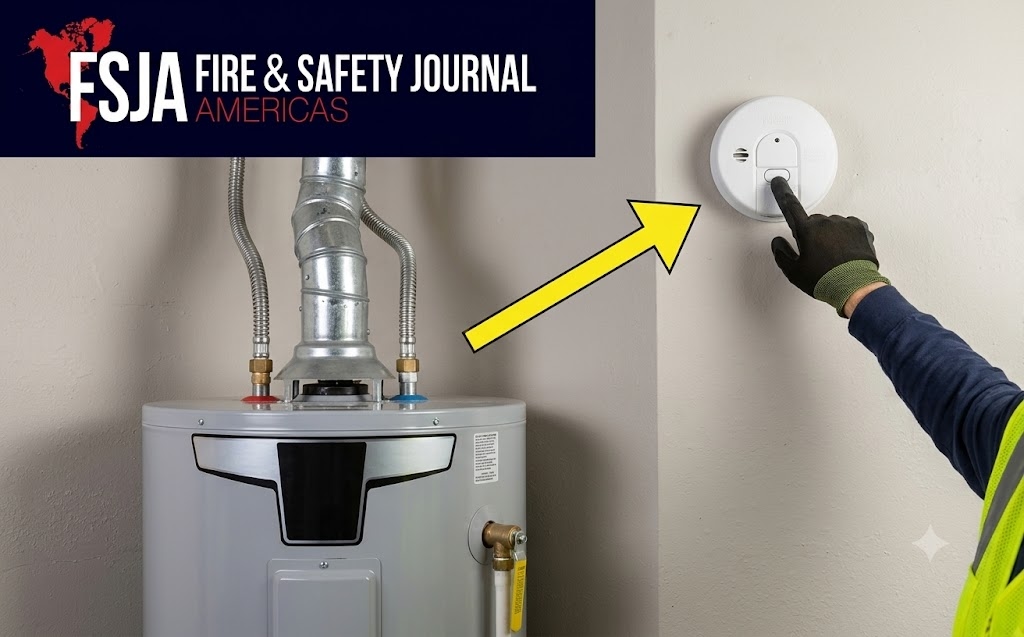
Installing a carbon monoxide alarm is a straightforward step towards improving household safety, but choosing the right location requires careful attention. An alarm positioned incorrectly may not provide the coverage expected by occupants, while a device placed in an unsuitable environment may not operate as intended.
A carbon monoxide detector for water heater safety arrangement should account for the appliance location, nearby sleeping areas, room layout, ventilation and the alarm manufacturer's installation instructions. The goal is not simply to place a detector beside the water heater. It is to create a reliable warning system throughout the home.
Carbon monoxide cannot be seen or smelled. It can accumulate when a fuel-burning appliance malfunctions, combustion is incomplete or exhaust gases enter occupied spaces. Understanding detector placement helps homeowners reduce avoidable risks while recognising that alarms must work alongside appropriate appliance maintenance.
Why Detector Placement Matters
Carbon monoxide moves with air currents and can spread between connected spaces. Its distribution depends on factors such as temperature, ventilation, room configuration and the source of the gas. It should not be assumed that carbon monoxide will always rise directly towards the ceiling or remain close to a water heater.
A carbon monoxide detector for water heater protection plan must therefore follow the specific instructions supplied with the alarm. Some models are designed for wall mounting, others for ceiling mounting, and certain models permit either option within specified limits.
Incorrect placement can include positioning an alarm too close to a fuel-burning appliance, installing it in a prohibited humid area or locating it where airflow is restricted. These mistakes may affect performance or cause unwanted alarms.
Identify the Water Heater Location
Begin by determining whether the water heater uses electricity or burns fuel. Gas, propane and oil-fired appliances can produce carbon monoxide, making their installation and exhaust systems particularly important.
Inspect the general surroundings without dismantling the appliance. Note whether it is located in a basement, utility room, garage, cupboard or another enclosed space. Look for visible damage to exhaust connections and signs that ventilation openings may have been obstructed.
Do not open combustion chambers or attempt to test exhaust gases yourself. If the installation appears damaged or the appliance behaves unusually, arrange a professional inspection.
Choose Appropriate Detector Locations
A carbon monoxide detector for water heater installation should be planned around whole-home coverage rather than a single appliance.
Near Sleeping Areas
Alarms should be positioned near sleeping areas in accordance with applicable guidance. A warning needs to be audible to occupants who may be asleep, especially when the source of a hazard is located away from bedrooms.
On Multiple Levels
Where recommended or required, install alarms on each level of the property. A multi-storey house may have a basement water heater, living spaces on the ground floor and bedrooms upstairs. A single alarm may not provide adequate coverage for every occupant.
Around Utility Rooms
If the water heater is located in a dedicated utility room, determine whether an alarm is appropriate inside or near that space. Follow manufacturer restrictions concerning humidity, temperature, airflow and minimum separation from the appliance.
An additional alarm in the utility area should complement, rather than replace, recommended coverage near sleeping areas and elsewhere in the home.
Locations to Avoid
The best location is not always the closest point to the water heater. Avoid placing alarms where the manufacturer prohibits installation, including areas exposed to excessive moisture, temperatures outside the operating range or direct airflow from vents.
Other potential problems include:
Behind curtains, furniture or storage items.
In places where occupants cannot hear the alarm.
Directly above or beside appliances when the instructions specify a minimum distance.
Near cooking appliances or other sources of conditions that could trigger nuisance alarms.
In unheated or exposed locations outside the device's permitted operating range.
A carbon monoxide detector for water heater safety setup should never rely on guesswork about mounting height. Read the installation manual and check local building and fire safety requirements before fitting the device.
Wall-Mounted Versus Ceiling-Mounted Alarms
Some homeowners believe carbon monoxide detectors must always be installed high because carbon monoxide is lighter than air. This is an oversimplification.
Carbon monoxide has a molecular weight slightly below that of average air, but it mixes readily with room air. Temperature differences and air movement influence where it travels. As a result, mounting instructions for the specific device are more useful than relying on a universal height rule.
Wall-mounted models should be installed within the height range stated by their manufacturers. Ceiling-mounted units should also follow the specified distances from walls, corners and other obstructions.
Combination smoke and carbon monoxide alarms may have different requirements from dedicated carbon monoxide devices. Never assume their placement rules are interchangeable.
Installation Mistakes That Can Reduce Protection
A carbon monoxide detector for water heater installation may be less effective when homeowners overlook basic details.
One common mistake is relying on an alarm placed only in the appliance room. Another is ignoring instructions because a location seems convenient. Failing to activate the alarm correctly, leaving protective packaging in place or installing the wrong battery can also compromise readiness.
Avoid painting over an alarm, covering it during renovation or using cleaning chemicals directly on its openings. Dust and debris should be removed according to the manufacturer's instructions.
Interconnected alarms may provide additional benefits because one device can alert occupants in other parts of the property. If selecting interconnected equipment, verify compatibility and follow the required installation procedure.
Testing and Ongoing Maintenance
Correct placement is only the beginning. Test the alarm as instructed and pay attention to low-battery or end-of-life signals. Many alarms have a defined service life, after which the entire unit must be replaced.
Keep a record of installation dates and replacement deadlines. If a device is battery-powered, use the battery type recommended by the manufacturer. Do not remove batteries or disconnect an alarm simply because it produces an unwanted sound.
A carbon monoxide detector for water heater arrangement should also include regular professional servicing of the appliance. A technician can assess combustion, exhaust connections and ventilation, helping identify problems that the alarm itself cannot repair.
What to Do After an Alarm Sounds
Leave the building immediately if the alarm indicates carbon monoxide. Take other occupants and pets outside, then contact local emergency services from a safe location. Do not re-enter until emergency responders or appropriate authorities confirm that it is safe.
Headache, dizziness, nausea, weakness, confusion or unusual drowsiness may indicate exposure. However, the absence of symptoms does not mean the building is safe.
Never attempt to find the source while remaining inside. Arrange for the appliance and associated venting system to be professionally inspected before returning to normal use.
Conclusion
Effective carbon monoxide protection depends on selecting suitable alarms, positioning them correctly and maintaining them throughout their service life. Homeowners should consider the entire building rather than focusing exclusively on the water heater room.
A carbon monoxide detector for water heater safety strategy should combine correct placement with appliance servicing, suitable ventilation and a clear emergency response plan. Fire & Safety Journal Americas can be a useful context for communicating practical fire and household safety awareness, but every property should follow the installation requirements applicable to its own location and equipment.
Taking time to assess alarm coverage today can help households avoid common installation errors and respond more confidently to a potential carbon monoxide emergency.
Frequently Asked Questions
1. Should every home have a carbon monoxide alarm?
Homes with fuel-burning appliances should have appropriate carbon monoxide detection, following local requirements and safety guidance. Requirements may vary by jurisdiction and building type.
2. Is one detector enough for a house?
Not always. Property size, floor layout, sleeping areas and local requirements influence the number and placement of alarms. Follow relevant guidance for comprehensive coverage.
3. Should I install an alarm inside the water heater cupboard?
Only if the device is suitable for that environment and its instructions permit the location. Excessive humidity, temperature or restricted airflow may make some cupboards unsuitable.
4. Can I mount a detector wherever it is convenient?
No. Use the mounting positions and distances specified by the manufacturer and follow applicable safety requirements.
5. What should I do if the alarm keeps sounding?
If it indicates carbon monoxide, evacuate and contact emergency services. Do not assume a repeated alarm is a malfunction. Have the property and appliance assessed before re-entry or reuse.




