
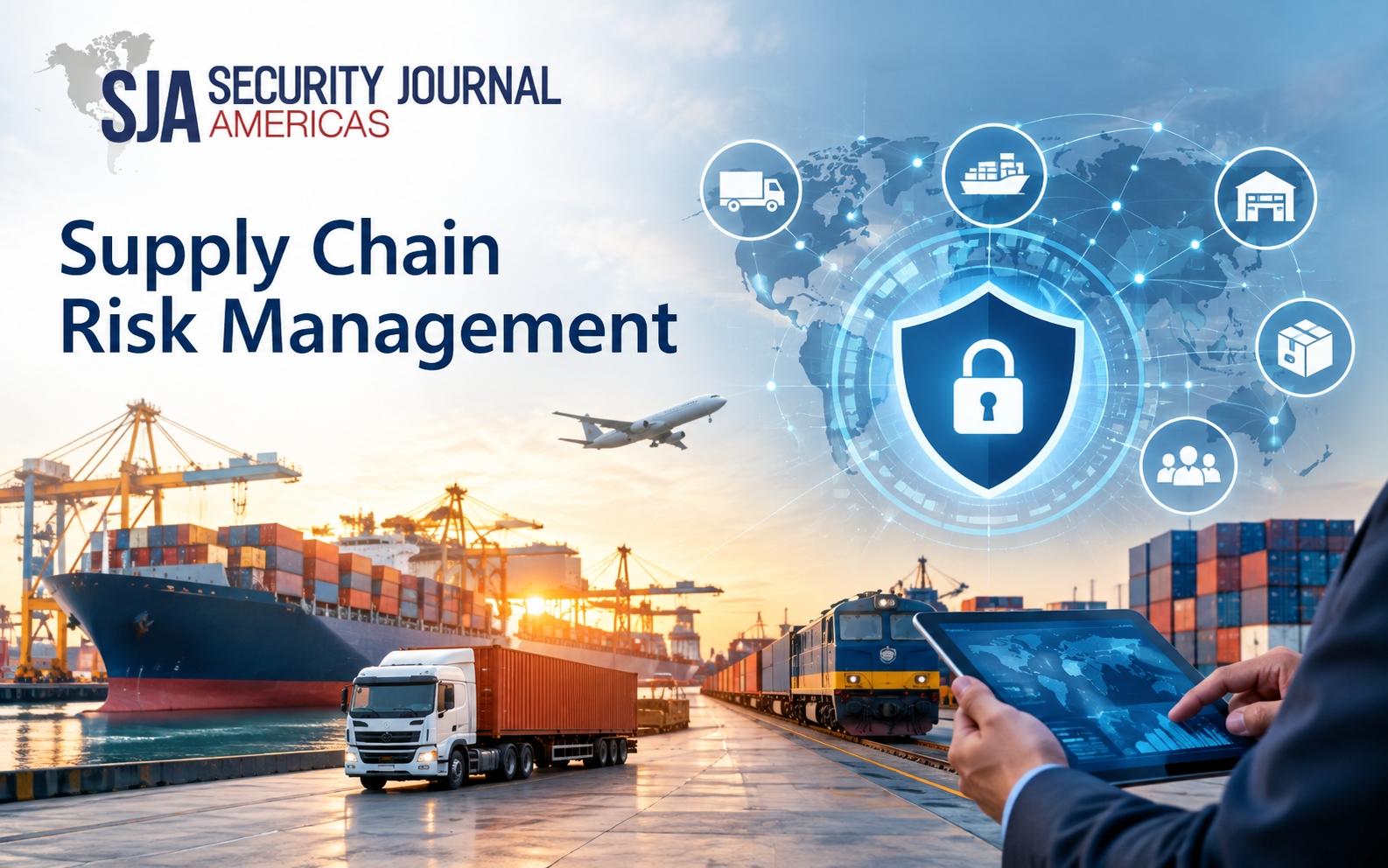
Modern businesses rely on complex networks of suppliers, manufacturers, logistics providers and technology systems to keep operations moving. A disruption at any point can affect production, customer service, revenue and reputation. Supply chain risk management helps organisations identify potential weaknesses, prepare for disruptions and develop practical strategies to maintain business continuity.
What Is Supply Chain Risk Management?
Understanding supply chain risk management starts with recognising the many factors that can interrupt the flow of goods, services, information and resources.
Supply chain risk management is the process of identifying, assessing, monitoring and reducing risks that could affect an organisation's supply chain. These risks can originate internally or externally and may involve suppliers, transportation, technology, regulations, geopolitical events, natural disasters or market conditions.
An effective approach allows businesses to understand where vulnerabilities exist and determine which risks could have the greatest operational or financial impact. Organisations can then establish controls, alternative processes and response plans to reduce disruption.
The objective is not necessarily to eliminate every risk. Instead, businesses aim to understand their exposure and develop enough resilience to respond when unexpected events occur.
Why Are Modern Supply Chains Vulnerable?
Today's supply chains are interconnected, which creates efficiency but can also increase exposure to disruption.
Businesses may depend on suppliers located across several countries, third-party logistics providers, cloud platforms, manufacturers and specialised service providers. This interconnected structure means a problem affecting one organisation can potentially create consequences for others.
For example, a shortage of a particular component could delay manufacturing. A transportation disruption could prevent finished products from reaching customers. A cyber incident affecting a logistics provider could interfere with shipment information or operational systems.
Globalisation, just-in-time production and increased digital integration can make these relationships even more complex. Consequently, organisations need visibility beyond their immediate suppliers.
Identifying Supply Chain Risks
Effective protection begins with knowing which risks could affect critical business processes.
Organisations can start by mapping their supply chains and identifying important suppliers, facilities, transportation routes, technologies and dependencies. This process can reveal areas where a single disruption could create significant consequences.
Common supply chain risks include:
Supplier failure or financial instability
Raw material shortages
Transportation delays
Natural disasters
Geopolitical instability
Cybersecurity incidents
Data breaches
Regulatory changes
Labour shortages
Quality control problems
Counterfeit or compromised products
Sudden changes in customer demand
Risk identification should be an ongoing activity rather than a one-time assessment. Business conditions, suppliers and external threats can change considerably over time.
Assessing the Impact of Potential Disruptions
Identifying risks is only part of the process because organisations also need to understand the consequences of those risks.
Risk assessments can consider factors such as likelihood, financial impact, operational disruption, recovery time and potential effects on customers. Critical suppliers and processes may require more detailed analysis than lower-impact relationships.
Businesses can also examine dependencies between different parts of the supply chain. A supplier that appears relatively small may provide a component that is essential to an entire production process.
Understanding these dependencies helps organisations prioritise their resources. Instead of treating every risk identically, they can focus attention on areas where disruption could cause the greatest consequences.
Strengthening Supplier Relationships
Strong supplier relationships can provide organisations with greater visibility and more opportunities to address emerging problems.
Businesses can evaluate suppliers based on factors such as financial stability, delivery performance, quality standards, cybersecurity practices, geographic exposure and compliance requirements.
Regular communication can also help organisations identify problems before they become major disruptions. Suppliers may provide early warnings about production constraints, material shortages or transportation challenges.
Contracts and service agreements can establish expectations around performance, security, reporting and continuity. Periodic supplier reviews can then determine whether those requirements continue to be met.
For critical products and services, organisations may also consider maintaining relationships with alternative suppliers rather than relying entirely on a single source.
Reducing Dependence on Single Points of Failure
A single point of failure can turn a relatively small problem into a major business disruption.
If an organisation depends on one supplier for a critical component, the failure of that supplier could stop production. Similarly, relying on one transportation route or facility can create significant exposure when that option becomes unavailable.
Businesses can reduce this dependency through strategies such as dual sourcing, multiple manufacturing locations, alternative logistics providers and backup technology services.
However, diversification can introduce additional costs and management complexity. Organisations therefore need to balance resilience requirements with operational and financial considerations.
Protecting Supply Chains From Cyber Risks
Digital systems have become an important part of supply chains, making cybersecurity an increasingly relevant component of resilience.
Suppliers, logistics companies and technology providers may exchange sensitive information or connect directly to business systems. A compromised third party could therefore create risks for other organisations within the network.
Businesses can strengthen protection through access controls, multi-factor authentication, network segmentation, encryption, vulnerability management and security monitoring.
Third-party cybersecurity assessments can also help organisations understand whether suppliers meet required security standards.
Incident response planning is equally important. Organisations should establish procedures for communicating with suppliers, isolating affected systems and maintaining essential operations if a cyber incident occurs.
Using Technology for Better Supply Chain Visibility
Technology can help organisations move from reactive responses toward continuous monitoring and earlier risk detection.
Supply chain management platforms can provide visibility into supplier performance, inventory levels, shipments and operational dependencies. Analytics can help identify unusual patterns and potential delays.
Artificial intelligence and machine learning can also be used in some environments to analyse large datasets and identify patterns associated with supply disruptions. Internet of Things devices can provide real-time information about equipment, inventory or transportation conditions.
However, technology should support rather than replace human decision-making. Data quality, system integration and appropriate governance remain important factors when deploying technology for supply chain monitoring.
Preparing Business Continuity and Response Plans
Preparation determines how effectively an organisation can respond when a disruption actually occurs.
Business continuity plans should identify critical operations, responsible personnel, communication procedures and alternative methods for maintaining essential services.
Organisations can develop specific response scenarios for events such as supplier failure, cyberattacks, natural disasters, transportation interruptions and sudden shortages.
Testing these plans through exercises or simulations can reveal weaknesses before a real incident occurs. Lessons from exercises should then be incorporated into updated procedures.
A response plan should also define escalation processes so that decision-makers know when a disruption requires additional resources or executive involvement.
Monitoring Risks Continuously
Supply chain risk management is most effective when monitoring continues after initial assessments have been completed.
Supplier conditions, geopolitical developments, regulations, market demand and cybersecurity threats can change quickly. A risk that appears relatively minor today may become more significant later.
Businesses can establish key risk indicators and performance metrics to monitor areas such as supplier delivery times, quality issues, inventory levels, financial health and incident frequency.
Regular reviews can help organisations identify changing conditions and adjust their mitigation strategies accordingly.
Building a More Resilient Supply Chain
Resilience involves more than responding to individual disruptions because organisations also need to develop the ability to adapt over time.
Businesses can improve resilience by combining supplier diversification, inventory planning, technology visibility, cybersecurity controls, contingency planning and strong communication.
Leadership involvement is also important. Supply chain resilience often requires cooperation between procurement, operations, IT, cybersecurity, finance, legal and risk management teams.
A coordinated approach allows organisations to consider operational risks from multiple perspectives rather than managing each issue in isolation.
Benefits of Effective Supply Chain Risk Management
The value of a structured approach becomes clearer when organisations consider the broader business impact.
Effective risk management can help businesses:
Reduce the likelihood and severity of supply disruptions
Improve visibility across supplier networks
Protect critical business operations
Strengthen supplier accountability
Support faster incident response
Reduce financial losses associated with prolonged interruptions
Improve business continuity
Protect customer relationships
Support regulatory and contractual requirements
Improve long-term operational resilience
These benefits depend on how effectively organisations implement and maintain their risk management programmes. No strategy can prevent every disruption, but preparation can improve an organisation's ability to absorb and recover from unexpected events.
Conclusion
Modern supply chains are essential to business operations, but their complexity creates multiple sources of potential disruption. Supply chain risk management provides a structured way for organisations to identify vulnerabilities, assess potential impacts, strengthen supplier relationships and prepare for unexpected events.
Businesses can improve resilience by combining continuous risk assessment, supplier diversification, cybersecurity, technology-enabled visibility and tested continuity plans. Regular monitoring is equally important because supply chain conditions can change rapidly.
As supply chains become increasingly connected and dependent on digital technologies, understanding emerging risks will remain an important part of organisational resilience. Security Journal Americas provides industry-focused insights into cybersecurity, risk management and evolving security challenges that can help professionals stay informed about developments affecting modern organisations.