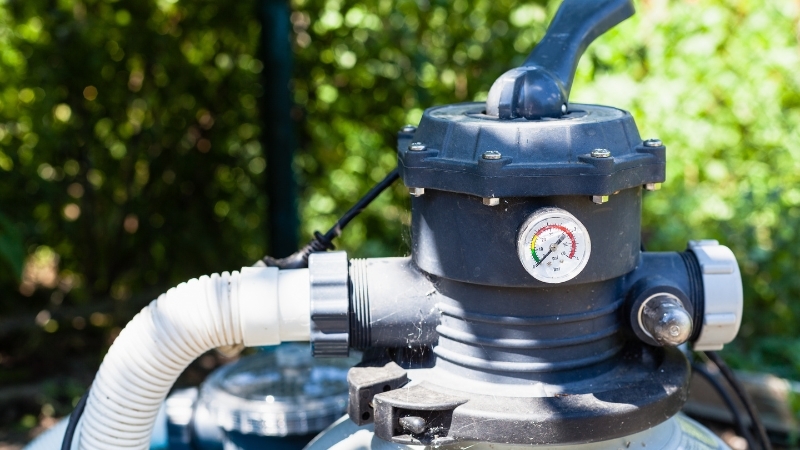
Choosing the right pump is an important part of Swimming Pool Pump Repair & Replacement in Singapore. The correct replacement should match your pool size, filtration system, plumbing, and circulation needs. Infinity Pool Services Pte Ltd can help pool owners understand the key factors before replacing an existing pump.
Why Choosing the Right Pool Pump Matters
A swimming pool pump is responsible for circulating water through the pool's filtration and treatment system.
The pump draws water from the pool, sends it through the filter and other relevant equipment, and then returns the treated water to the pool.
If the pump is unsuitable, the entire circulation system can be affected.
A pump that is too small may struggle to provide adequate circulation. On the other hand, selecting a pump that is unnecessarily powerful can create excessive flow and place additional demands on the filtration and plumbing system.
The goal is therefore not to choose the biggest or most powerful pump.
The goal is to select a pump that is properly matched to the pool's requirements.
Signs Your Existing Pool Pump May Need Replacement
Before purchasing a replacement, it is important to determine whether replacement is actually necessary.
Some pool pump problems can be repaired without replacing the complete unit.
Persistent Unusual Noise
Grinding, rattling, buzzing, or other unusual sounds can indicate mechanical wear or motor-related problems.
A technician should investigate the cause before recommending replacement.
Frequent Leaks
Water leaking from the pump may be caused by a worn seal, gasket, connection, or damaged component.
Some leaks can be repaired.
However, extensive damage may make replacement more appropriate.
Reduced Water Flow
Weak circulation can result from several causes, including a blocked filter, plumbing restriction, incorrect valve position, or pump failure.
Professional diagnosis can determine whether the pump itself is responsible.
Repeated Breakdowns
If the same pump repeatedly develops problems, replacing it may provide a more reliable long-term solution.
The decision should consider the pump's overall condition and the nature of previous failures.
Motor Failure
A severely damaged motor may make complete pump replacement more practical than repairing individual components.
Understand Your Pool's Circulation Requirements
Before selecting a replacement pump, understand how much water the pool needs to circulate.
Several factors influence pump selection.
Pool Size
The volume of water in your pool is an important consideration.
A larger pool generally requires an appropriate circulation capacity to move water effectively through the filtration system.
However, pool size alone should not determine pump selection.
The filtration system, pipework, pool design, and operating schedule must also be considered.
Desired Flow Rate
Flow rate describes how much water the pump can move over a given period.
A professional assessment should consider the required flow rate for the complete system.
Choosing a pump solely based on a high flow rating can create problems if the rest of the equipment is not designed for that level of flow.
Check the Existing Filtration System
The pump and filter need to work together.
A pump that is too powerful for the filter can create excessive flow through the filtration system.
A pump that is too weak may not provide the circulation required for effective filtration.
Before replacing your pump, identify:
Filter type
Filter capacity
Existing flow requirements
Pipe configuration
Valve arrangement
Circulation design
A professional technician can evaluate these components together.
Consider the Pool Plumbing
The existing pipework also affects pump performance.
Pipe diameter, pipe length, fittings, bends, valves, and other components can influence water resistance.
Why Pipework Matters
A pump does not operate independently.
Water has to travel through the entire circulation system.
If the plumbing creates significant resistance, the pump may not deliver the expected flow.
This is why simply purchasing a pump with a higher advertised capacity does not necessarily improve pool circulation.
A properly selected pump should work efficiently with the existing hydraulic system.
Understand Pump Head and Flow
Two important concepts in pump selection are flow rate and total dynamic head.
Flow rate refers to how much water the pump can circulate.
Total dynamic head represents the resistance the pump must overcome as water travels through the system.
This resistance can come from:
Pipes
Filters
Valves
Fittings
Elevation differences
Other pool equipment
A pump's actual performance depends on both its flow characteristics and the resistance within the circulation system.
Therefore, comparing pumps using only their maximum flow rating can be misleading.
Consider Energy Efficiency
Pool pumps can operate regularly, making energy consumption an important consideration for homeowners.
When choosing a replacement, look at the pump's operating efficiency and control options.
Variable-Speed Pumps
Some modern pool pumps offer variable-speed operation.
Instead of operating continuously at one fixed speed, the pump can operate at different speeds depending on the pool's requirements.
Lower-speed operation may be appropriate for routine circulation, while higher speeds can be used when greater flow is required.
The suitability of variable-speed technology depends on the pool system and how it is operated.
Why Efficiency Matters
A properly sized and efficiently operated pump can support:
Better circulation management
More controlled operation
Reduced unnecessary workload
Potentially lower energy consumption
Improved system performance
The pump should still be correctly matched to the filtration and plumbing system.
Check the Pump's Physical Compatibility
Replacement is also a practical installation issue.
The new pump should fit appropriately within the available equipment area.
Check considerations such as:
Pump dimensions
Pipe connection sizes
Inlet and outlet positions
Electrical requirements
Mounting arrangement
Equipment clearance
A pump that performs well technically may still create installation difficulties if it is not physically compatible with the existing system.
Consider Electrical Requirements
Swimming pool pumps use electrical power, so electrical compatibility is an important consideration.
The replacement should be suitable for the electrical supply and control system already installed.
Electrical work around swimming pools also requires appropriate safety precautions.
Homeowners should avoid making complex electrical changes themselves.
A qualified professional should assess the electrical requirements and installation conditions.
Look at the Pump's Construction and Materials
Swimming pool equipment operates in an environment involving water, chemicals, humidity, and outdoor exposure.
The materials used in pump construction can therefore matter.
Consider features such as:
Pump housing material
Seal quality
Motor construction
Corrosion resistance
Component availability
Manufacturer support
A suitable pump should be designed for swimming pool applications and compatible with the operating environment.
Think About Maintenance Requirements
The best replacement pump is not necessarily the one with the most features.
Consider how easy it will be to maintain over time.
A pump with accessible components and readily available replacement parts may be easier to service.
Important Maintenance Considerations
Ask about:
Filter basket access
Seal replacement
Motor servicing
Availability of spare components
Cleaning requirements
Manufacturer support
Warranty conditions
Good maintenance can help support reliable pump operation over its service life.
Consider Noise Levels
Pump noise can be particularly important for residential swimming pools.
A noisy pump may be disruptive if the equipment is located near living spaces, bedrooms, or recreational areas.
If noise is a concern, ask about the expected operating characteristics of the replacement pump.
Variable-speed pumps may operate more quietly at lower speeds, depending on the model and installation.
However, unusual noise should always be investigated because it can also indicate an installation or mechanical problem.
Do Not Automatically Choose the Most Powerful Pump
This is one of the most common mistakes homeowners make.
More power does not automatically mean better pool performance.
An oversized pump can create unnecessary flow and may not work efficiently with the existing filter and plumbing.
It can also affect how the entire circulation system operates.
The correct approach is to determine the required flow and select equipment that matches the complete system.
Proper sizing is more important than maximum power.
Consider Your Pool's Operating Schedule
How frequently and for how long the pool circulates can influence pump selection.
A residential pool with moderate usage may have different operating requirements from a heavily used shared pool.
Consider:
Pool usage frequency
Desired circulation
Filtration requirements
Sanitation system
Automation
Seasonal or weather-related changes
A professional can help determine an appropriate operating approach for the replacement pump.
Singapore's Climate and Pool Pump Selection
Singapore's tropical environment creates year-round pool maintenance requirements.
Warm temperatures, humidity, rainfall, and environmental debris can affect water quality and equipment performance.
Rainfall can introduce contaminants into outdoor pools.
Surrounding vegetation can also increase the amount of debris entering the circulation system.
For these reasons, selecting a pump should be considered alongside the pool's overall filtration and maintenance requirements.
Local experience can be valuable when evaluating these conditions.
When Repair May Be Better Than Replacement
Not every pump problem requires a new pump.
In some cases, Swimming Pool Pump Repair & Replacement in Singapore involves repairing individual components rather than replacing the entire unit.
Repair may be appropriate when:
The pump housing is in good condition.
The motor remains serviceable.
The issue is isolated to a replaceable component.
The pump performs appropriately after repair.
The equipment remains suitable for the pool.
Examples may include certain seal, gasket, or other component issues.
A professional inspection can help determine whether repair is practical.
When Complete Replacement Makes More Sense
Replacement may be preferable when the pump has extensive damage or persistent performance problems.
Factors to consider include:
Repeated breakdowns
Severe motor damage
Extensive corrosion
Damaged pump housing
Persistent leakage
Poor performance
Compatibility concerns
Outdated equipment
Difficulty obtaining suitable components
The decision should be based on the pump's overall condition rather than one isolated symptom.
What a Professional Pump Replacement Service Should Include
A reliable pump replacement process should be systematic.
Step 1: Inspect the Existing System
The technician assesses the pump, filter, plumbing, valves, and electrical requirements.
Step 2: Identify the Cause of the Existing Problem
This helps determine whether replacement is actually required.
Step 3: Assess Pump Specifications
The technician considers flow requirements, system resistance, filter capacity, and compatibility.
Step 4: Recommend a Suitable Replacement
The proposed pump should be appropriate for the pool rather than selected solely on maximum power.
Step 5: Remove the Existing Pump
The old equipment should be disconnected and removed using appropriate procedures.
Step 6: Install the Replacement
The new pump is connected to the circulation and electrical systems.
Step 7: Test the System
The technician should verify operation, water flow, connections, and potential leaks.
Step 8: Explain Ongoing Maintenance
The homeowner should understand basic maintenance and signs that future servicing may be required.
Why Professional Assessment Is Valuable
Pump selection can look simple when browsing equipment specifications.
In reality, several technical factors must work together.
A professional can evaluate the relationship between:
Pump → Plumbing → Filter → Valves → Pool → Return System
If one component is poorly matched, overall performance may suffer.
This is why professional assessment is particularly useful when replacing an existing pump.
How Infinity Pool Services Pte Ltd Can Help
Infinity Pool Services Pte Ltd can assist pool owners with swimming pool equipment maintenance, including situations where pump repair or replacement needs to be considered.
A professional approach begins with understanding the existing system.
Instead of recommending a replacement based only on the visible symptoms, the technician can consider the pump, filtration system, circulation requirements, plumbing, and operating conditions.
This helps homeowners make a more informed decision about their pool equipment.
Questions to Ask Before Buying a Replacement Pump
Before proceeding with a replacement, ask the service provider:
Is my existing pump actually beyond repair?
A professional diagnosis may reveal that only a component requires attention.
What flow rate does my pool require?
The answer should account for the complete circulation system.
Is the replacement compatible with my filter?
Pump and filter capacity should be appropriately matched.
Will it work with my existing plumbing?
Pipework and fittings can affect pump performance.
What are the electrical requirements?
The replacement should be compatible with the existing electrical setup.
How will the new pump affect maintenance?
Ask about servicing requirements and component availability.
Will the system be tested after installation?
Post-installation testing is important for confirming proper operation.
Common Mistakes to Avoid
Choosing Based Only on Brand
Brand reputation can matter, but system compatibility is equally important.
Choosing Based Only on Horsepower
Power rating alone does not determine whether a pump is appropriate.
Ignoring the Filter
The pump and filter should work together.
Overlooking Plumbing Restrictions
Existing pipework can affect actual pump performance.
Skipping Professional Diagnosis
A pump may appear to have failed when another component is causing the circulation problem.
Ignoring Preventive Maintenance
Even a new pump benefits from appropriate ongoing maintenance.
Conclusion
Choosing the right pump is a key part of Swimming Pool Pump Repair & Replacement in Singapore. Pool owners should consider flow requirements, filtration capacity, plumbing, electrical compatibility, energy efficiency, physical installation, and long-term maintenance rather than simply selecting the most powerful pump.
Infinity Pool Services Pte Ltd can help homeowners evaluate their existing pool system and make informed decisions about pump repair or replacement.
A properly selected pump can support reliable circulation and filtration for years to come. The best approach is to assess the entire pool system first and choose equipment that is genuinely suited to its requirements.