
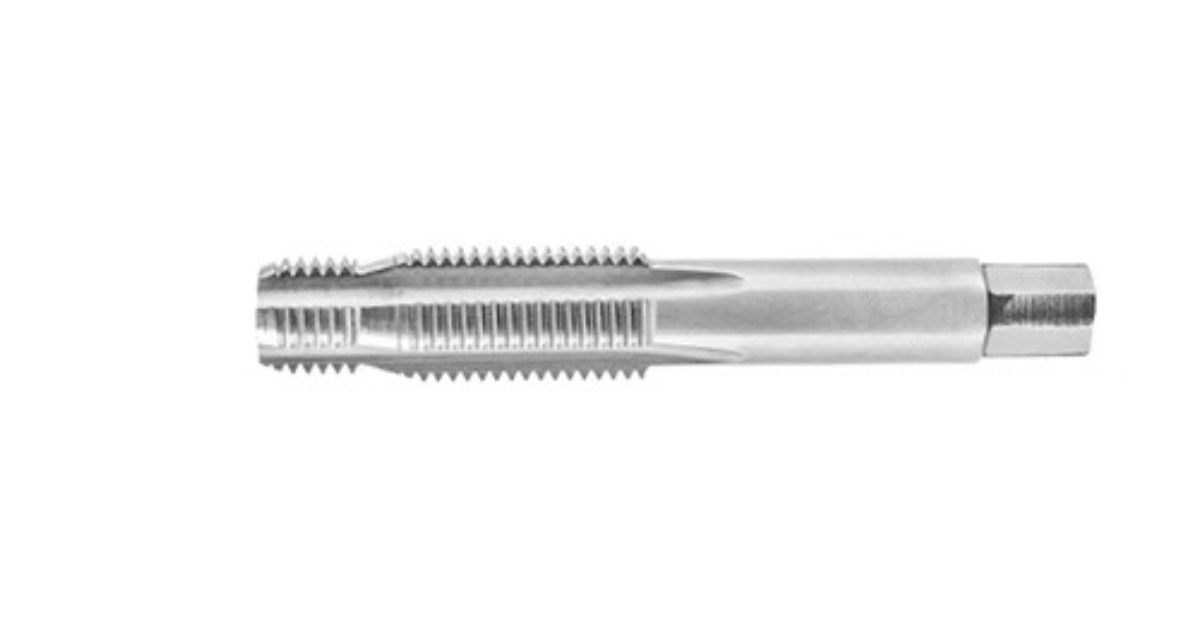
A damaged internal thread does not always mean that a component needs to be replaced. In many repair and manufacturing situations, a wire thread insert can be fitted to recreate the usable thread inside an existing hole. Before the insert is installed, however, the hole needs to be machined to the correct STI thread specification. HSS Helicoil Taps are developed for this particular operation and are used to prepare the internal thread that receives the threaded insert.
Understanding HSS Helicoil Taps
An HSS Helicoil Tap is a cutting tool made from High-Speed Steel and intended for producing STI, or Screw Thread Insert, threads. The tap does not produce the same thread profile as an ordinary fastener tap. Instead, it creates the larger internal thread form needed to accommodate a wire insert.
Once this special thread has been produced, the Helicoil insert can be placed inside the hole. The insert then provides the internal thread needed for the final bolt or screw connection. The tapping operation is therefore a dedicated preparation step rather than the final fastening process.
The Tapping Stage in Threaded Insert Installation
Installing a threaded insert involves more than simply putting the insert into a damaged hole. The existing hole must first be brought to the specified diameter and prepared for STI tapping.
After the hole has been prepared, the HSS Helicoil Tap cuts the internal thread. Once tapping is finished, the hole is cleaned to remove loose chips before the insert is introduced with the appropriate installation tool.
When the insert reaches its intended position, it forms the internal thread that can accept the required fastener. Following the correct tapping dimensions is important because the insert depends on the STI thread for proper positioning.
Why High-Speed Steel Is Used
High-Speed Steel is a common material for industrial taps because it provides a useful balance between hardness and toughness. Tapping generates cutting pressure and friction, so the tool material needs to withstand these conditions during machining.
HSS also offers good wear resistance for repeated tapping operations when the tool is used with appropriate speeds, feeds, and lubrication. This makes HSS Helicoil Taps suitable for repair shops, engineering facilities, and production environments where threaded insert preparation is required.
Where These Taps Can Be Used
HSS Helicoil Taps can be used wherever a threaded insert is required to renew or reinforce an internal thread. Their applications can be found in both component manufacturing and maintenance work.
Typical areas include:
Automotive repair and component servicing
General engineering workshops
Machinery maintenance
Industrial equipment repair
Aerospace component work
Mechanical assembly
Metalworking operations
Manufacturing of engineered components
A major benefit of an insert-based repair is that the original component can often remain in service instead of being discarded simply because its internal thread has been damaged.
Factors to Consider When Selecting a Tap
The tap should be selected based on the threaded insert specification rather than only the size of the fastener that will eventually be installed. Insert diameter, thread form, pitch, thread standard, and workpiece material are important considerations.
The STI dimensions specified for the insert should be followed when choosing the tap. Selecting an unsuitable tap can produce a thread that does not hold the insert correctly.
Material also matters. Different workpieces can behave differently during tapping, so cutting speed, feed, lubrication, and tapping technique may need to be adjusted for the particular material.
Preparing the Hole Before Tapping
Correct hole preparation is an important part of the insert installation process. A damaged thread may need to be removed or enlarged to the recommended tapping diameter before the STI tap is used.
The tap should enter the hole in proper alignment to avoid producing an uneven thread. Appropriate cutting fluid can be used according to the material and machining conditions. During the operation, chips should be controlled and removed rather than allowed to accumulate inside the hole.
After tapping, the hole should be cleaned and checked before the threaded insert is installed. This provides a clean seating area for the next stage of the process.
Benefits of HSS Helicoil Taps
HSS Helicoil Taps provide a dedicated method for machining the STI thread required by wire thread inserts. They can be used for both individual repair jobs and repeated industrial operations.
Some notable benefits include:
Designed specifically for STI thread preparation
Available for different insert sizes and thread specifications
Suitable for several engineering materials
Useful for restoring worn or damaged internal threads
Applicable in maintenance and manufacturing work
Available in different tap configurations
Supports repeatable insert preparation when the correct tapping procedure is followed
Using Helicoil Taps for Thread Restoration
A threaded insert can be a practical solution when an internal thread has lost its usable form. Instead of replacing an entire component, the damaged section can be machined and prepared to accept an insert.
The HSS Helicoil Tap performs the machining step that creates the STI thread for the insert. The final result depends on several factors, including the correct drill size, tap specification, alignment, workpiece material, and installation procedure.
DIC TOOLS manufactures and supplies HSS cutting tools for engineering and industrial requirements, including Helicoil threading taps and other threading products.
To learn more about HSS Helicoil Taps and threading tools, visit DIC TOOLS at https://www.dictoolsindia.com/ or explore the threading tools range at https://www.dictoolsindia.com/taps/index.php.
Frequently Asked Questions
What is the purpose of an HSS Helicoil Tap?
It is used to machine the STI internal thread into which a wire thread insert can be installed.
How does an STI tap differ from a normal threading tap?
An STI tap creates the thread form and dimensions needed to accommodate a threaded insert, while a conventional tap normally creates the finished internal thread for direct fastener engagement.
Why are Helicoil taps manufactured from HSS?
HSS provides the hardness, toughness, and wear resistance needed for cutting internal threads under suitable machining conditions.
Can these taps be used when an internal thread has been damaged?
Yes. An HSS Helicoil Tap can prepare a damaged hole for an insert by creating the STI thread needed for the new internal thread.
What information is needed to select the correct Helicoil tap?
The insert size, thread standard, pitch, required STI dimensions, and workpiece material should be considered before choosing the tap.