
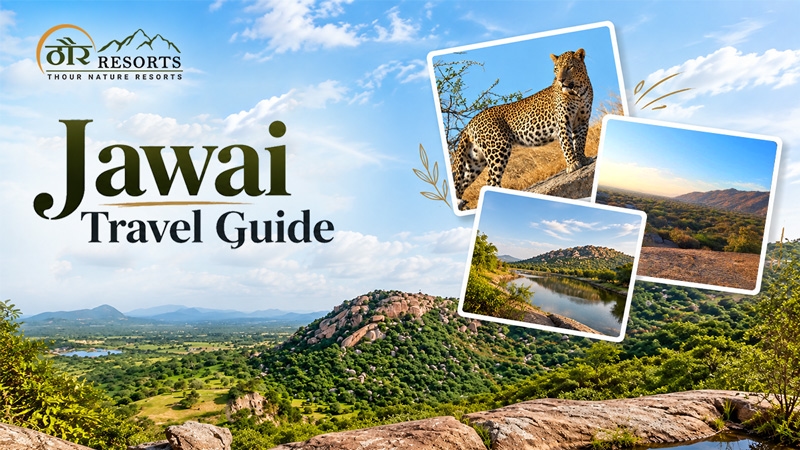
Jawai, in Rajasthan’s Pali district, is a distinctive destination where wildlife, granite hills, open landscapes and rural life come together. The region is best known for its leopard population, but there is much more to experience here than a safari. Jawai Dam, rocky Aravalli landscapes, birdlife, local villages and the traditional lifestyle of the Rabari community all add to the character of the region.
Unlike many wildlife destinations that are associated with dense forests, Jawai is shaped by exposed granite hills, rocky outcrops and open countryside. This unusual landscape provides a memorable setting for travellers who want to combine wildlife experiences with a peaceful stay in nature.
If you are planning a trip to Jawai, this guide covers the main things to know, including wildlife, leopard safaris, Jawai Dam, local culture, the best time to visit and places to stay.
Where Is Jawai and What Makes It Different?
Jawai is located in Rajasthan’s Pali district, in the broader landscape of the Aravalli region. The destination is centred around Jawai Dam and a series of granite hills and rocky formations that create the area's distinctive scenery.
One of the biggest differences between Jawai and traditional forest destinations is its open terrain. Instead of dense tree cover, visitors encounter rocky hills, scrubland, water bodies and agricultural and pastoral landscapes.
This combination has also shaped the way wildlife experiences are enjoyed in Jawai. Leopards use rocky shelters and hill formations, while people, livestock and wildlife share the wider landscape.
For travellers, this means that a visit to Jawai can combine wildlife viewing, landscape exploration, birdwatching and cultural experiences within a relatively compact region.
Why Is Jawai Famous for Leopards?
Jawai is particularly known for its leopards and the unusual rocky habitat in which they live.
The granite hills contain natural rocky shelters and caves that provide suitable resting and hiding places for leopards. Because much of the landscape is open, visitors may sometimes observe these animals against exposed rock rather than through dense forest vegetation.
The surrounding environment also supports a variety of other wildlife and bird species. The presence of the Jawai Dam and smaller water sources adds another important element to the local ecosystem.
However, wildlife sightings are never guaranteed. Leopards are wild animals, and their movements naturally vary according to weather, time of day, food availability and other environmental conditions.
This is one reason a Jawai safari is best approached as a wildlife experience rather than as a guaranteed animal-spotting activity.
Jawai Leopard Safari: What Can Travellers Expect?
A Jawai leopard safari usually involves exploring the rocky hills and surrounding landscape with a local safari guide or experienced naturalist.
Morning and evening are popular times for wildlife exploration because conditions are generally more suitable for observing animal activity. Safari routes can vary depending on recent sightings, local conditions and the movement of wildlife.
During a safari, travellers may experience more than leopard spotting. The landscape itself becomes part of the experience, with rocky hills, villages, grazing livestock, birds and changing light creating a very different atmosphere throughout the day.
A typical safari experience can include:
Exploring leopard habitats around the granite hills
Searching for wildlife with an experienced local guide
Observing birds and other animals
Learning about the local landscape and ecosystem
Watching the changing colours of the hills around sunrise or sunset
The most important part of a responsible safari is allowing wildlife to behave naturally. Maintaining a safe distance, avoiding unnecessary noise and following the instructions of the safari guide help make the experience safer for both visitors and animals.
Exploring the Granite Hills of Jawai
The granite hills are one of the defining features of Jawai.
Large rocky formations rise above the surrounding landscape, creating viewpoints, natural shelters and dramatic scenery. These hills are also closely associated with the region’s leopard habitat.
For photographers and nature lovers, the landscape offers plenty of opportunities beyond wildlife photography. Early morning light can create soft shadows across the rocks, while the evening sun can give the hills warm colours.
The terrain also helps explain why Jawai feels different from many other wildlife destinations in Rajasthan. The combination of exposed granite, scrub vegetation, open fields and distant hills creates a landscape that is both rugged and peaceful.
Visitors should explore the hills responsibly and follow local guidance, particularly in areas used by wildlife or local communities.
Jawai Dam: Crocodiles, Birds and Scenic Views
Jawai Dam is another important part of the region's landscape.
The water body attracts birds and other wildlife and creates a contrast with the surrounding dry, rocky terrain. Depending on the season and local conditions, visitors may have opportunities for birdwatching and observing crocodiles from suitable locations.
For travellers interested in nature photography, the dam can also be a rewarding place to experience changing light and reflections across the water.
Birdwatching is particularly suited to visitors who want a slower wildlife experience. Instead of actively searching for a single animal, birdwatching encourages travellers to observe the wider ecosystem and the species that use the water and surrounding landscape.
A visit to Jawai Dam can therefore complement a leopard safari and provide a different perspective on the area's wildlife.
Discover Jawai's Local Culture and Rural Life
Wildlife is only one part of the Jawai experience. The surrounding villages and rural landscapes provide an opportunity to understand another side of Rajasthan.
The Rabari community has a long association with pastoral life in the region. Traditional livestock herding remains an important part of the cultural landscape around Jawai, and visitors may see herders moving with their animals through the countryside.
This relationship between people, livestock and wildlife is an important part of what makes Jawai distinctive. The landscape is not an isolated wilderness; it is also a lived-in rural environment.
Travellers visiting villages or interacting with local communities should do so respectfully. Asking before taking photographs, following local guidance and avoiding disruption to everyday activities are simple ways to practise responsible cultural tourism.
Things to Do in Jawai Beyond a Leopard Safari
A leopard safari may be the main reason many travellers visit Jawai, but there are several other experiences worth including in an itinerary.
1. Explore Jawai's Granite Hills
Spend time appreciating the rocky landscape, viewpoints and distinctive Aravalli scenery.
2. Visit Jawai Dam
Explore the area around the dam for scenic views, birdwatching and opportunities to observe the local ecosystem.
3. Go Birdwatching
The water bodies and surrounding landscape support a variety of birdlife, making Jawai interesting for both casual birdwatchers and photography enthusiasts.
4. Look for Crocodiles
Jawai's water environment can provide opportunities to observe crocodiles from appropriate viewing locations.
5. Experience Rural Rajasthan
A village or local experience can help travellers understand the pastoral and agricultural landscape surrounding Jawai.
6. Enjoy Sunrise and Sunset
The combination of granite hills and open skies makes sunrise and sunset particularly scenic.
7. Try Local Food
Food is another way to experience Rajasthan. Travellers can explore regional flavours and traditional dishes during their stay.
8. Spend Time in Nature
Not every part of a Jawai trip needs to be scheduled around an activity. Simply spending time surrounded by hills, open countryside and quiet landscapes can be part of the experience.
Best Time to Visit Jawai
The best time to visit Jawai depends on the type of experience you are looking for, but the cooler months from October to March are generally comfortable for outdoor activities and wildlife experiences.
October to March
This period brings relatively cooler weather, making it comfortable for safaris, sightseeing and exploring the surrounding landscape.
April to June
Summer can be considerably hotter. Travellers visiting during these months should plan outdoor activities around suitable times of the day and stay prepared for higher temperatures.
July to September
The monsoon can bring changes to the landscape, with greener surroundings and a different visual character. Weather conditions can vary, so travellers should consider local road and activity conditions when planning their trip.
Wildlife behaviour also changes naturally throughout the year, so there is no single season that guarantees leopard sightings.
Where to Stay in Jawai
Choosing the right accommodation can make a significant difference to a Jawai trip.
Travellers should consider more than just the room when choosing a place to stay. Location, accommodation style, access to safari experiences, food, service and the property's relationship with the surrounding landscape can all affect the overall experience.
Accommodation options in Jawai include nature resorts, luxury tents and cottages. For visitors who want to stay close to the landscape, properties that combine comfortable accommodation with nature and wildlife experiences can be particularly convenient.
One such option is Thour Nature Resorts Jawai, a nature-focused property offering tents and cottages along with experiences connected to the Jawai landscape and wildlife. The property also provides facilities such as dining and a mountain-side swimming pool, giving travellers the option to combine outdoor exploration with time to relax at the resort.
When selecting a resort in Jawai, it is useful to check the exact accommodation types, available facilities, safari arrangements and current services before booking.
A Simple 2-Day Jawai Itinerary
A two-day trip can cover several of Jawai's main experiences without making the itinerary overly rushed.
Day 1: Arrival and Leopard Safari
Arrive in Jawai and check into your accommodation. After some time to relax, head out for an afternoon or evening leopard safari.
The safari can introduce you to Jawai's granite hills, rocky landscape and wildlife habitat. After returning from the safari, enjoy the evening at your accommodation and try local or regional cuisine.
Day 2: Safari, Dam and Local Experiences
Begin the day with an early morning safari when conditions are suitable for wildlife exploration.
After breakfast, spend time around Jawai Dam for birdwatching and scenic views. Depending on your schedule, you can also explore a local village or experience the rural landscape before beginning your journey home.
Travellers with more time can extend the trip and explore Jawai at a slower pace.
How to Plan a Responsible Wildlife Trip to Jawai
Responsible tourism is especially important in a destination where wildlife and local communities share the same landscape.
Visitors can contribute by following a few simple principles:
Maintain a respectful distance from wild animals.
Never feed wildlife.
Avoid loud noises during safaris.
Follow the instructions of local guides.
Do not litter in wildlife or rural areas.
Avoid disturbing animals for photographs.
Ask permission before photographing local people.
Respect village areas and private property.
Choose tourism providers that follow responsible wildlife practices.
A responsible approach helps preserve the experience of Jawai for future travellers while respecting the people and wildlife that make the region unique.
Frequently Asked Questions About Jawai
What is Jawai famous for?
Jawai is famous for its rocky granite hills, leopards, Jawai Dam, birdlife and rural landscape. The region is particularly known for wildlife experiences in an open rocky environment.
Where is Jawai Bandh located?
Jawai Bandh is located in Rajasthan's Pali district, within the Aravalli landscape of western India.
Why is Jawai famous for leopards?
Jawai's granite hills provide rocky shelters and habitat for leopards. The relatively open landscape can sometimes allow visitors to observe leopards in a setting very different from a dense forest.
What is the best time to visit Jawai?
October to March is generally a comfortable period for outdoor activities because of the cooler weather. However, Jawai can be visited in other seasons as well, with each season offering a different landscape and travel experience.
Can you see leopards in Jawai?
Leopards can be seen in Jawai, but sightings are never guaranteed because they are wild animals whose movements depend on natural conditions.
How many days are enough for a Jawai trip?
Two days can provide enough time to experience a leopard safari, Jawai Dam, the surrounding landscape and a local or cultural experience. Travellers who prefer a slower trip can stay longer.
What are the best things to do in Jawai besides a leopard safari?
Popular experiences include visiting Jawai Dam, birdwatching, observing crocodiles from appropriate locations, exploring the granite hills, experiencing rural Rajasthan and enjoying sunrise or sunset views.
Where should you stay in Jawai?
Travellers can choose from resorts, tents and cottages in the Jawai region. When selecting accommodation, consider its location, facilities, safari arrangements, dining options and access to local experiences.
Final Thoughts
Jawai offers a different way to experience Rajasthan. Its appeal comes from the combination of wildlife, granite hills, water, villages and rural culture rather than from a single attraction.
A leopard safari may introduce you to the region, but exploring Jawai Dam, watching birds, experiencing the rocky Aravalli landscape and learning about local life can make the journey much more complete.
For travellers planning a nature-focused Rajasthan getaway, Jawai provides an opportunity to slow down, explore an unusual landscape and experience wildlife in a setting unlike many traditional safari destinations.