
Heart disease remains one of the leading causes of illness and premature death among men worldwide. However, many cardiovascular problems can be prevented or managed through healthier lifestyle choices, regular medical check-ups, and early attention to warning signs. Men's health heart disease prevention begins with understanding personal risk factors and taking practical steps to protect the heart.
Men of every age can benefit from better nutrition, regular exercise, quality sleep, stress management, and appropriate medical care. Although genetics and ageing influence cardiovascular health, everyday habits also play an important role in determining long-term heart health.
This guide explores practical prevention strategies, important health screenings, common risk factors, and treatment options that can help adults maintain a healthier heart. It also explains when symptoms require professional medical attention and how men can make sustainable changes to improve their overall wellbeing.
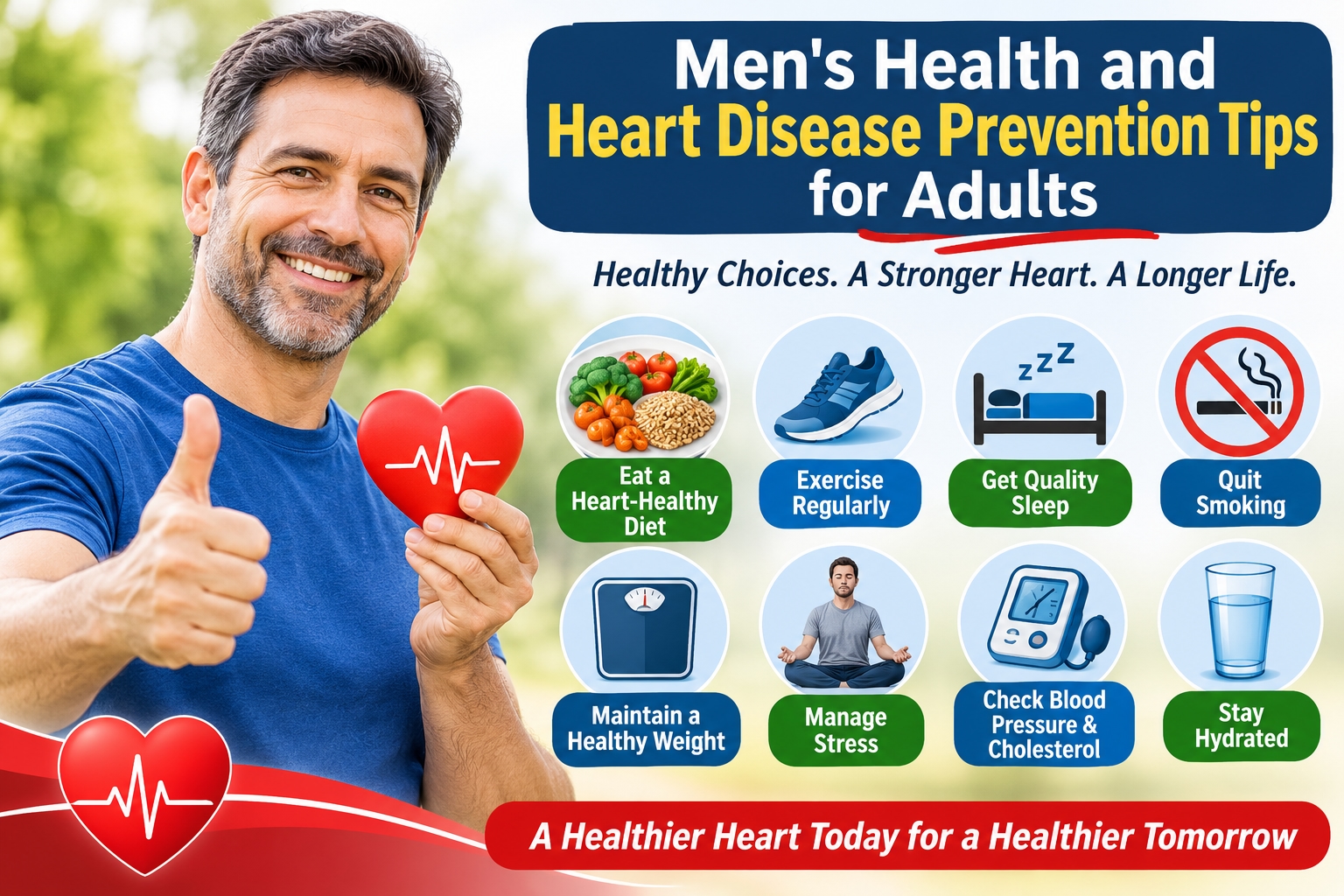
Understanding Men's Health Heart Disease Prevention
Men's health heart disease prevention involves reducing the factors that contribute to cardiovascular disease, including high blood pressure, unhealthy cholesterol levels, diabetes, smoking, physical inactivity, and excess body weight.
Heart disease describes several conditions affecting the heart and blood vessels. Common examples include coronary artery disease, heart failure, heart rhythm disorders, and heart attacks.
Coronary artery disease develops when fatty deposits accumulate inside arteries that supply blood to the heart. This process, called atherosclerosis, can restrict circulation and increase the risk of a heart attack.
Prevention focuses on protecting blood vessels, supporting normal heart function, and identifying health problems before serious complications develop.
Why Should Men Prioritise Cardiovascular Health?
Men should prioritise cardiovascular health because some heart disease risk factors develop without noticeable symptoms. High blood pressure and elevated cholesterol, for example, may remain undetected for years.
Taking preventive action can help men:
Reduce the likelihood of heart attacks and strokes.
Maintain healthier blood pressure and cholesterol levels.
Improve physical endurance and daily energy.
Support healthy circulation.
Reduce the risk of diabetes-related complications.
Maintain independence and quality of life as they age.
Prevention is not limited to older adults. Establishing healthy routines during early adulthood can provide lasting benefits.
What Are the Most Important Risk Factors for Heart Disease?
Several medical conditions and lifestyle habits can increase a man's risk of developing cardiovascular disease. Some risks are controllable, while others require closer monitoring.
1. High Blood Pressure
High blood pressure, also called hypertension, places additional strain on the heart and blood vessels. Over time, this pressure can damage artery walls and increase the likelihood of heart attacks, strokes, and kidney problems.
Men can manage blood pressure by:
Reducing salt consumption.
Maintaining a healthy body weight.
Exercising regularly.
Limiting alcohol consumption.
Taking prescribed blood pressure medication.
Checking blood pressure at recommended intervals.
A normal reading for many adults is below 120/80 mmHg, although individual treatment targets may differ.
2. High Cholesterol
Cholesterol is a fatty substance needed for several important bodily functions. However, excessive low-density lipoprotein (LDL) cholesterol can contribute to plaque accumulation inside arteries.
High cholesterol usually produces no obvious symptoms. A lipid profile blood test helps identify unhealthy cholesterol levels and guides treatment decisions.
Men with elevated cholesterol may benefit from dietary improvements, increased activity, weight management, and medication such as statins when clinically appropriate.
3. Diabetes and Insulin Resistance
Diabetes increases cardiovascular risk because prolonged high blood glucose can damage blood vessels and contribute to inflammation.
Men with diabetes should monitor their blood glucose, follow their treatment plans, attend regular appointments, and discuss cardiovascular risk reduction with their healthcare providers.
4. Smoking and Tobacco Exposure
Smoking damages blood vessels, reduces oxygen delivery, and encourages the development of arterial plaque. Second-hand smoke also creates cardiovascular risks.
Quitting smoking is one of the most valuable steps a man can take to improve cardiovascular health. Healthcare professionals can recommend nicotine replacement therapy, prescription medicines, counselling, and structured cessation programmes.
5. Family History and Age
A family history of early cardiovascular disease can increase personal risk. Men whose close relatives experienced heart attacks or strokes at relatively young ages should discuss this information with their doctors.
Age also influences cardiovascular risk because blood vessels can become less flexible over time. Nevertheless, preventive habits remain valuable throughout adulthood.
How Can a Heart-Healthy Diet Protect Men?
A balanced diet provides nutrients that support healthy blood pressure, cholesterol levels, blood glucose, and body weight. Dietary choices are therefore an important part of men's health heart disease prevention.
Instead of following restrictive diets, men should build sustainable eating patterns that include vegetables, fruits, whole grains, legumes, nuts, seeds, and lean protein.
Foods That Support Cardiovascular Health
Consider including these foods regularly:
Leafy green vegetables: Spinach, kale, and other greens provide fibre, potassium, and beneficial plant compounds.
Fresh fruits: Berries, oranges, apples, and bananas contribute vitamins and dietary fibre.
Whole grains: Oats, brown rice, and whole-wheat bread support digestive health and help improve overall dietary quality.
Oily fish: Salmon, sardines, and mackerel provide omega-3 fatty acids.
Nuts and seeds: Walnuts, almonds, chia seeds, and flaxseeds provide unsaturated fats and fibre.
Legumes: Beans, lentils, and chickpeas offer plant protein and valuable nutrients.
Which Foods Should Men Limit?
Certain eating habits can contribute to cardiovascular risk, particularly when followed consistently.
Limit:
Processed meats such as sausages and bacon.
Foods containing excessive saturated fats.
Deep-fried meals and trans-fat-containing products.
Sugary drinks and excessive added sugar.
Highly processed snacks.
Foods containing excessive sodium.
Men should also pay attention to portion sizes. Eating nutritious foods in excessive quantities can still contribute to unwanted weight gain.
Understanding Healthy Fats
Not all fats have the same effect on cardiovascular health. Unsaturated fats found in olive oil, nuts, seeds, and fish can replace less healthy saturated fats.
However, healthy fats remain calorie-dense, so sensible portions are important. Avoid assuming that products labelled natural or organic automatically improve heart health.
What Exercise Routine Helps Prevent Heart Disease?
Regular physical activity strengthens the cardiovascular system, improves circulation, supports weight management, and helps regulate blood pressure.
For most adults, a useful target is at least 150 minutes of moderate-intensity aerobic activity weekly or 75 minutes of vigorous activity. Strength training should also be included on two or more days when appropriate.
American Heart Association+1
Effective Exercises for Adult Men
Walking
Brisk walking is accessible, inexpensive, and suitable for many fitness levels. Start with short sessions and gradually increase duration.
Cycling
Cycling improves aerobic fitness and can provide a lower-impact alternative to running.
Swimming
Swimming works several muscle groups while providing cardiovascular exercise with relatively little joint impact.
Strength Training
Resistance exercises help maintain muscle mass, improve physical function, and support healthy weight management.
Stretching and Mobility Exercises
Gentle stretching supports flexibility and makes regular movement easier, particularly for men who spend long hours sitting.
How Should Beginners Start Exercising?
Men who have been inactive should begin gradually rather than attempting demanding workouts immediately.
A simple weekly approach might include:
Monday: 25 minutes of brisk walking.
Tuesday: Light resistance exercises.
Wednesday: 25 minutes of cycling.
Thursday: Walking and gentle stretching.
Friday: Strength training.
Saturday: Swimming or another enjoyable activity.
Sunday: Rest or comfortable movement.
Anyone with existing heart disease, concerning symptoms, or significant medical conditions should seek appropriate medical advice before starting strenuous exercise.
Why Are Sleep and Stress Management Important?
Sleep and emotional wellbeing influence several processes that affect cardiovascular health. Poor sleep, chronic stress, and unhealthy coping habits can contribute to high blood pressure, weight gain, and metabolic problems.
Maintain a Consistent Sleep Schedule
Most adults should aim for seven to nine hours of sleep each night. Consistent sleep supports hormonal regulation, recovery, and healthy metabolic function.
Men can improve their sleep habits by:
Going to bed and waking up at consistent times.
Avoiding heavy meals shortly before bedtime.
Reducing caffeine intake during the evening.
Keeping bedrooms dark, quiet, and comfortable.
Limiting screen exposure before sleeping.
Persistent loud snoring, interrupted breathing during sleep, and excessive daytime tiredness may indicate obstructive sleep apnoea. This condition deserves medical assessment because untreated sleep apnoea is associated with cardiovascular problems.
Manage Everyday Stress
Long-term stress can influence blood pressure, sleep quality, eating habits, and physical activity. Although stress alone does not explain every cardiovascular problem, managing it supports better overall health.
Useful stress-management strategies include:
Practising slow breathing exercises.
Spending time outdoors.
Maintaining supportive relationships.
Participating in enjoyable hobbies.
Setting realistic daily priorities.
Seeking professional mental health support when necessary.
Men should also avoid relying on smoking, excessive alcohol, or recreational drugs to manage emotional pressure.
Which Medical Screenings Help Detect Heart Problems Early?
Preventive medical appointments help identify cardiovascular risk factors before symptoms appear. Regular screening is an important element of men's health heart disease prevention, especially for men with diabetes, hypertension, obesity, or a family history of cardiovascular disease.
Blood Pressure Monitoring
Blood pressure checks help identify hypertension. A healthcare professional may recommend home monitoring when readings are elevated or inconsistent.
Home monitoring should involve a properly fitted cuff and correct measurement technique. Record readings and share them with your clinician rather than changing medication independently.
Cholesterol Testing
A lipid profile measures different types of cholesterol and triglycerides. Testing frequency depends on age, existing conditions, family history, and overall cardiovascular risk.
Your doctor can explain whether lifestyle changes are sufficient or whether cholesterol-lowering medication is appropriate.
Blood Glucose and HbA1c Testing
Blood glucose testing and glycated haemoglobin (HbA1c) measurements help detect diabetes and prediabetes.
Early diagnosis allows men to improve nutrition, increase physical activity, manage weight, and receive medication when needed.
Additional Cardiovascular Assessments
Depending on symptoms and personal risk, a clinician may recommend:
An electrocardiogram (ECG) to assess electrical activity.
An echocardiogram to examine heart structure and function.
A stress test to assess the heart during exercise.
Additional imaging when clinically indicated.
Not every healthy adult requires every test. Screening should be guided by medical history, symptoms, and professional assessment.
How Can Men Maintain a Healthy Weight?
Excess body fat, particularly around the abdomen, is associated with increased risks of hypertension, type 2 diabetes, and cardiovascular disease.
Weight management should focus on gradual, sustainable improvements rather than extreme diets or rapid weight-loss products.
Practical strategies include:
Eat balanced meals with adequate protein and fibre.
Reduce sugary drinks and frequent processed snacks.
Include regular walking and resistance training.
Monitor portion sizes.
Maintain consistent sleeping habits.
Discuss realistic weight targets with a healthcare professional.
Body mass index (BMI) can provide a general indication of weight status, but it does not directly measure body fat distribution or distinguish muscle from fat. Waist measurements and other clinical assessments can provide additional information.
Does Alcohol Affect Heart Health?
Excessive alcohol consumption can increase blood pressure and contribute to irregular heart rhythms, weight gain, and other health problems.
Men who drink should discuss their intake with a healthcare professional. Alcohol should not be started as a strategy for preventing heart disease. Reducing consumption or avoiding alcohol may be appropriate depending on personal circumstances and medical history.
How Can Sexual and Reproductive Health Connect With General Wellbeing?
Men's overall health involves more than cardiovascular fitness. Sexual and reproductive concerns can affect confidence, relationships, physical comfort, and emotional wellbeing.
Some conditions have symptoms that require prompt medical assessment. For example, Epididymitis is inflammation of the epididymis, the coiled tube behind the testicle that stores and transports sperm. It may cause testicular pain, swelling, tenderness, and urinary symptoms. Bacterial infections, including sexually transmitted infections, are possible causes.
Although this condition is not itself a form of heart disease, addressing reproductive health concerns is part of comprehensive preventive healthcare. Sudden, severe testicular pain requires emergency assessment because testicular torsion can cause similar symptoms and needs urgent treatment.
Why Should Men Discuss Unusual Symptoms?
Men sometimes delay medical appointments because they feel embarrassed about sensitive health concerns. However, early assessment can prevent complications and help identify the correct treatment.
Speak with a healthcare professional about persistent:
Testicular discomfort or swelling.
Pain during urination.
Unusual discharge.
Erectile difficulties.
Changes in sexual function.
Unexplained fatigue or reduced physical stamina.
Erectile dysfunction can sometimes be associated with cardiovascular risk factors, including diabetes and vascular disease. It does not automatically indicate heart disease, but persistent symptoms deserve a medical evaluation.
Can Natural Approaches Support Men's Preventive Healthcare?
Healthy lifestyle choices are often described as natural ways to support cardiovascular wellbeing. However, they should complement evidence-based medical care rather than replace necessary treatment.
A balanced diet, regular exercise, sufficient sleep, and tobacco avoidance have stronger evidence for cardiovascular risk reduction than unproven supplements.
Men researching complementary wellness options may encounter Herbal Care Products marketed for general health. Before using any supplement, check its ingredients, quality standards, possible interactions, and supporting clinical evidence with a qualified healthcare professional.
Some supplements can affect blood pressure, blood clotting, or prescription medication. Products marketed as heart cleanses, artery cleansers, or guaranteed cardiovascular remedies should be approached cautiously.
What Should Men Know About Herbal Supplements?
Natural does not necessarily mean safe. Supplement ingredients may vary in concentration and quality, and some products can contain undeclared substances.
Men should:
Avoid replacing prescribed medication with supplements.
Check for interactions with blood thinners and heart medicines.
Discuss supplements before surgery.
Choose products from reputable manufacturers.
Report unexpected side effects.
Avoid products promising immediate or guaranteed results.
The safest approach is to treat supplements as optional additions, not proven substitutes for cardiovascular prevention or treatment.
What Should Men Know About Preventing and Managing Infections?
Preventive healthcare also includes recognising infections and seeking treatment before they cause complications. Urinary and reproductive infections can produce discomfort, interfere with daily activities, and sometimes require prescription medication.
Men experiencing persistent pelvic pain, painful urination, fever, or testicular swelling should arrange a medical examination.
Can Lifestyle Changes Help With Reproductive Health?
Healthy habits support general wellbeing, but they cannot independently cure bacterial infections. Staying hydrated, practising good personal hygiene, using protection during sexual activity, and attending recommended health checks can help reduce certain health risks.
For men diagnosed with epididymal inflammation, a Natural Treatment for Epididymitis should never be considered a replacement for antibiotics when a bacterial infection requires them. Supportive measures, such as rest, appropriate scrotal support, and a wrapped cold pack, may help relieve discomfort when recommended by a clinician.
The underlying cause determines treatment. Men should complete prescribed medication and attend follow-up appointments when advised. Sudden severe testicular pain requires emergency assessment rather than home treatment.
How Can Men Recognise Warning Signs of Heart Disease?
Recognising cardiovascular warning signs can help men receive timely medical attention. Although some heart conditions develop gradually, a heart attack may occur suddenly.
Common warning signs include:
Chest pressure, tightness, squeezing, or discomfort.
Pain spreading into the arms, shoulders, neck, jaw, or back.
Shortness of breath.
Unexplained cold sweating.
Nausea or vomiting.
Light-headedness or fainting.
Unusual weakness or fatigue.
Some men experience less typical symptoms, particularly older adults and people with diabetes.
When Is Chest Pain a Medical Emergency?
Chest discomfort accompanied by breathlessness, sweating, nausea, or pain spreading to other areas may indicate a heart attack.
Call your local emergency service immediately if you suspect a heart attack. In Pakistan, Rescue 1122 can be contacted for emergency assistance where available. Do not attempt to drive yourself to hospital.
The NHS identifies persistent squeezing chest discomfort, spreading pain, and severe breathing difficulty as symptoms requiring emergency action.
NHS+1
Never assume that chest pain is caused by indigestion, muscle strain, or anxiety without appropriate assessment.
How Can Men Build a Practical Heart-Healthy Daily Routine?
A realistic routine makes cardiovascular prevention easier to maintain. Men do not need to change every habit immediately. Small improvements repeated consistently can produce meaningful health benefits.
Here is an example of a balanced daily schedule.
Time | Healthy activity |
Morning | Wake up, drink water, and enjoy a nutritious breakfast |
Morning | Take a brisk walk or complete planned exercise |
Afternoon | Eat a balanced lunch with vegetables and whole grains |
Afternoon | Take short movement breaks during desk work |
Evening | Enjoy a healthy dinner and spend time with family |
Night | Reduce screen exposure and follow a consistent bedtime |
Create Achievable Weekly Goals
Men can improve men's health heart disease prevention by setting measurable goals rather than relying on motivation alone.
For example:
Walk for 20 to 30 minutes on most days.
Include vegetables in two or more daily meals.
Replace sugary drinks with water.
Complete recommended strength-training sessions.
Check blood pressure according to medical advice.
Schedule overdue preventive appointments.
Adjust these goals according to fitness, age, medical conditions, and professional recommendations.
Frequently Asked Questions About Men's Heart Health
1. What Is the Best Way to Prevent Heart Disease in Men?
The best approach combines a balanced diet, regular physical activity, tobacco avoidance, healthy sleep, and management of blood pressure, cholesterol, and blood glucose. Regular medical assessments help identify risks early.
2. At What Age Should Men Start Focusing on Heart Health?
Men should establish healthy habits during childhood and early adulthood. Blood pressure, cholesterol, and diabetes screening should follow individual risk factors and local clinical recommendations. Prevention remains important at every age.
3. Can Walking Reduce the Risk of Heart Disease?
Yes. Regular brisk walking contributes to cardiovascular fitness, helps regulate blood pressure, and supports weight management. Adults can gradually work towards 150 minutes of moderate activity each week.
4. Which Foods Are Best for Men's Heart Health?
Vegetables, fruits, whole grains, beans, nuts, seeds, and oily fish are useful choices. Limiting excessive salt, added sugar, processed meats, and unhealthy fats also supports cardiovascular health.
5. Can Stress Increase Heart Disease Risk?
Chronic stress can influence blood pressure, sleep, eating behaviour, and physical activity. Managing stress through relaxation, exercise, social support, and professional care can improve overall wellbeing.
6. Do Men Need Heart Tests Without Symptoms?
Not everyone needs advanced cardiac testing. However, routine blood pressure checks and appropriate cholesterol and diabetes screening can identify important risk factors before symptoms appear.
7. Can Heart Disease Be Prevented Completely?
No prevention strategy guarantees that heart disease will never develop. Genetics, age, and other uncontrollable factors also influence risk. Nevertheless, healthy habits and appropriate medical care can substantially reduce preventable risks.
Conclusion
Protecting cardiovascular health requires consistent effort, informed decisions, and regular medical care. A nutritious diet, regular exercise, healthy sleep, stress management, and tobacco avoidance form the foundation of effective prevention.
Men should also monitor blood pressure, cholesterol, and blood glucose, particularly when they have existing medical conditions or a family history of cardiovascular disease.
Ultimately, men's health heart disease prevention is about making sustainable choices that protect long-term wellbeing. Start with manageable lifestyle improvements, recognise unusual symptoms, and seek professional advice when necessary. Taking action today can help build a healthier and more active future.




