
When you step off the plane in Mozambique, one of the first things that will capture your eyes isn't just the endless turquoise ocean or the colonial architecture—it is the vivid sea of color worn by the local people. Bright geometric patterns, intricate floral designs, and bold swirling motifs adorn the streets from Maputo to Pemba.
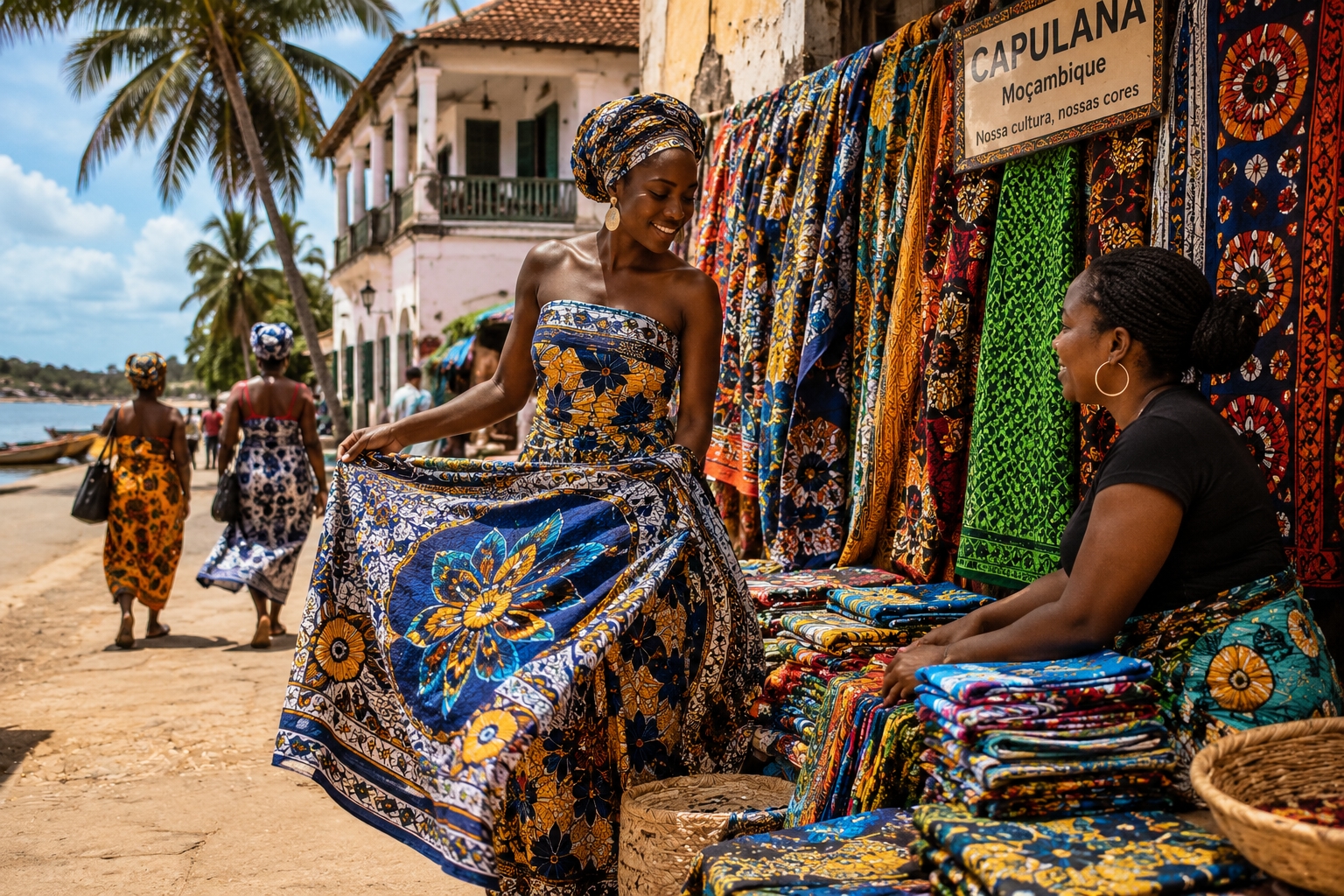
This iconic fabric is called the Capulana, and it is much more than just a piece of cloth. It is Mozambique’s cultural heartbeat, a living diary of history, and a staple of daily life.
For travellers looking to experience authentic Mozambican culture, understanding and appreciating Capulana fashion is one of the most rewarding parts of the journey. In this guide, we’ll explore the origin of the Capulana, its role in everyday life, where you can buy your own, and how to prepare for your trip seamlessly.
What is a Capulana? Understanding Mozambique's Signature Textile
A Capulana (pronounced kah-poo-LAH-nah) is a traditional printed cotton fabric worn across Mozambique. Measuring roughly two meters long and one meter wide, this versatile rectangle of cloth is instantly recognizable by its rich colors and expressive patterns.
While visitors often compare Capulana to East African Kanga or West African Ankara prints, Capulana has its own distinct history and aesthetic.
The Origin Story: Trade Routes and Cultural Fusion
The history of the Capulana is a tale of international maritime trade:
The Early Spice Trade: Centuries ago, Indian and Arab merchants traded printed calico fabrics along the Swahili Coast in exchange for ivory, gold, and spices.
Portuguese Influence: During the colonial era, European traders introduced factory-printed cotton cloths, often imported from India and Indonesia.
Mozambican Identity: Over time, local Mozambicans adopted these vibrant fabrics, transforming them into a symbol of identity, pride, and artistic expression.
Today, while some fabrics are still imported, local designers and cultural movements have reclaimed the Capulana, turning it into a canvas for contemporary African high fashion.
The Role of Capulana in Everyday Mozambican Life
To call the Capulana versatile would be an understatement. In Mozambique, a single piece of cloth accompanies a person through almost every milestone of life.
1. Daily Practicality
Walk through any market in Maputo or Nampula, and you will see women utilizing the Capulana in dozens of creative ways:
A Wraparound Skirt (Nfumo): Simply tucked around the waist, it serves as comfortable daily workwear.
Baby Carrier (Mbeleko): Tied securely across a mother’s back, the Capulana holds infants safely while keeping hands free.
Sun Protection & Headwraps: Twisted into elegant turbans (turbanos) to protect against the tropical sun.
Carrying Goods: Tied at four corners to transport groceries or market goods.
2. Celebrations, Rites, and Ceremony
Capulanas are deeply woven into social customs.
Weddings (Lobolo): During traditional marriage negotiations, gifting high-quality Capulanas to the bride’s female family members is an essential token of respect.
Commemorative Prints: Special Capulanas are custom-printed to commemorate national holidays, political campaigns, women's assemblies, and religious festivals.
Grief and Respect: Specific darker or subdued Capulana patterns are worn during funerals and mourning periods as a sign of solidarity.
From Streetwear to High Fashion: Modern Capulana Styling
In recent years, Mozambican fashion designers have taken Capulana from street markets to international runways. Emerging brands in Maputo fuse traditional prints with modern streetwear, tailored suits, evening gowns, and accessories.
How You Can Wear Capulana as a Traveller
If you’d like to join in on the fashion experience during your trip:
Simple Wrap Skirt: Wrap it around your waist over swimwear or shorts for an effortless, beach-ready look.
Sarong or Beach Blanket: Perfect for relaxing along the shores of Tofo or the Bazaruto Archipelago.
Custom Tailored Outfits: One of the best experiences in Mozambique is buying a length of Capulana and bringing it to a local tailor (alfaiate). Within 24 to 48 hours, they can stitch a custom dress, shirt, or trousers made to your exact measurements.
Accessories: Look for Capulana-lined tote bags, headbands, backpacks, and jewelry in artisanal boutique shops.
Where to Buy Authentic Capulana in Mozambique
Finding Capulana in Mozambique is easy—it is everywhere! However, for the best quality and experience, keep these top spots in mind:
1. Mercado Central (Maputo)
Located in the heart of the capital, Maputo’s Central Market is an essential stop. Stalls inside offer stack upon stack of folded Capulanas in hundreds of color combinations.
2. Mercado Xipamanine (Maputo)
For an authentic, bustling local market experience, Xipamanine offers incredible variety at wholesale prices. It can be crowded, so it’s best visited with a local guide.
3. FEIMA (Feira de Artesanato, Flores e Gastronomia)
If you prefer a relaxed shopping environment, FEIMA is an open-air park market in Maputo where craft vendors sell ready-made Capulana clothes, bags, home decor, and souvenirs alongside woodcarvings.
4. Coastal Markets in Inhambane and Pemba
If you are heading north or to the coast, coastal town markets feature unique East African trade influences with patterns you might not find in the south.
Shopping Tip: Check the edge of the fabric! High-quality Capulana is made of 100% heavy-weight cotton (100% Algodão) with crisp, vibrant double-sided printing.
Cultural Etiquette for Visitors
Mozambicans are warmly welcoming and generally love seeing visitors appreciate their textile heritage. However, a few guidelines will help you wear Capulana respectfully:
Ask Before Taking Photos: Always ask for permission before photographing market vendors or people wearing traditional attire.
Dress Modestly at Sacred Sites: When visiting rural villages, historic sites, or places of worship, wearing a Capulana as a knee-length or full-length wrap skirt is considered a sign of modesty and cultural respect.
Support Local Artisans: Buy directly from local vendors and hire neighborhood tailors to support the local economy.
Ready to Explore Mozambique? Plan Your Travel Visa Early
Before you can immerse yourself in Mozambique’s vibrant market culture and pristine coastlines, you’ll need to secure your entry documentation. Fortunately, visiting Mozambique has become significantly easier thanks to online visa processing.
Check whether your country is listed among the eligible countries for Mozambique eVisa to start your journey hassle-free.
Why Choose Us for Your Mozambique Visa Application?
Navigating visa requirements should never hold you back from exploring the world. Here is how we make your travel preparation seamless:
Reliable Travel Visa Services: Our global approach has assisted thousands of international travellers in successfully obtaining their visas without stress.
Round-the-Clock Assistance: Have questions about your application? Reach out to us 24/7, and our experts will review and respond to your inquiry promptly within 72 hours.
Experienced Visa Consultants: Get dedicated, professional guidance through every step of the process to help ensure your application meets all government standards for approval.
Efficient Application Process: Skip long paper forms and embassy visits. Apply for your Mozambique eVisa in just minutes using our simplified digital platform.
Final Thoughts
A piece of Capulana fabric is more than just a souvenir—it’s a tangible piece of Mozambican history, artistry, and community spirit. Whether wrapped around your waist on the sands of Vilankulos or tailored into a keepsake coat back home, it will always remind you of the warmth and color of Mozambique.
Pack your bags, secure your visa, and prepare to discover one of Africa's most breathtaking cultural destinations!




