Most people typing "opal stone for sale" into a search bar fall into one of three groups: jewelry makers looking for cabochons to set, collectors hunting for a specific colour or pattern, and resellers trying to figure out if a lot is actually worth the asking price. The problem is that opal pricing looks chaotic from the outside — you'll see a stone for $8 and another for $800, both labelled "natural." This guide breaks down why, so you know exactly what you're paying for before you buy.
Why Opal Pricing Swings So Wildly
Unlike diamonds, which follow a fairly standardized grading scale, opal pricing is driven almost entirely by how much play-of-colour a stone shows and how rare that specific pattern is. Two opals of identical size and origin can differ in price by 10x simply because one flashes a full rainbow across its surface and the other shows a faint green flicker in one corner. When you're browsing an opal stone for sale listing, the price tag is really a verdict on how dramatic that individual stone's colour show is — nothing else moves the needle nearly as much.
Realistic Price Ranges by Category
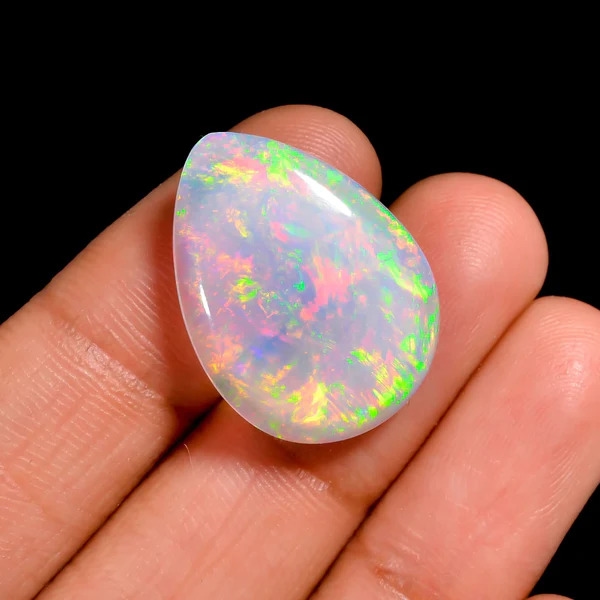
Rough opal (uncut, unpolished): Typically $1–$15 per gram for commercial-grade Ethiopian rough with some colour potential. Rare facet-grade rough with strong play-of-colour can climb past $50–$100 per gram, especially from limited-production mines.
Opal cabochons (cut and polished, ready to set):
Commercial/AA grade: roughly $2–$15 per carat
AAA grade with strong, consistent play-of-colour: $15–$60 per carat
Gem-grade with harlequin or broad flash patterns: $60–$300+ per carat, occasionally higher for exceptional pieces
Faceted opal (rare, mostly fire opal): $10–$80 per carat depending on transparency and colour saturation, since faceting is only viable on opal with little to no play-of-colour risk of cracking.
These ranges shift constantly with mine output, so treat them as a reference point, not a fixed rulebook, when evaluating any opal stone for sale.
What Actually Moves the Price Within Each Grade
Play-of-colour coverage – A stone that flashes colour across 80% of its face is worth significantly more than one with a single small flash, even at identical carat weight.
Pattern rarity – In rough order of value: pinfire (most common) → flash → broad flash → harlequin (rarest, most valuable).
Base/body tone – Darker body tones (especially in black opal) make colours appear more vivid, which pushes price up even when the actual colour intensity is similar to a lighter-toned stone.
Stability – Hydrophane Ethiopian opal that has been tested and shown to be stable (no crazing after controlled water exposure) commands a premium over untested material, because buyers are taking on less risk.
Size and shape efficiency – A symmetrical, well-proportioned cabochon that wastes little rough material is priced higher than an oddly shaped stone of the same weight.
Lot size – Buying a single statement stone costs more per carat than buying a parcel of 20-50 smaller calibrated cabochons, because parcels are priced for production use, not individual showcasing.
Wholesale vs. Retail: Two Very Different Searches
If you're searching "opal stone for sale" as a jewelry maker buying in volume, you're shopping a completely different market than someone buying one special stone for a ring. Wholesale parcels (10+ stones, often calibrated to standard sizes like 8x10mm or 10x14mm) are priced per piece or per carat in bulk, usually 30-50% below the per-stone retail rate for comparable quality. The trade-off is less control over which exact pattern you get — you're buying a batch, not hand-selecting each flash.
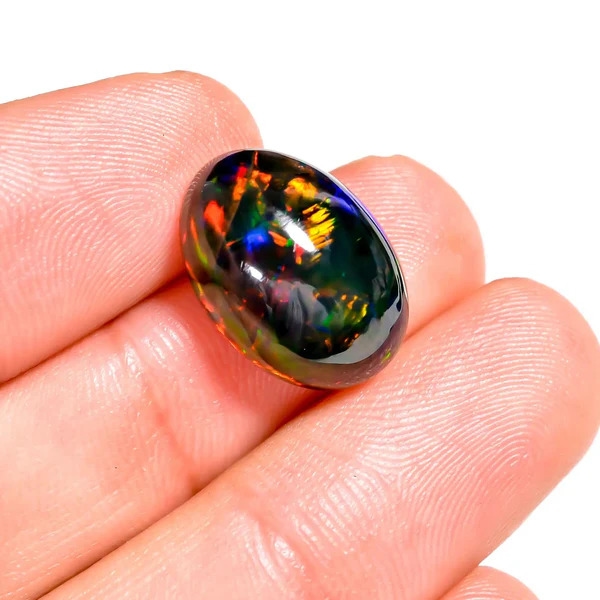
Retail buyers paying for a single stone are paying not just for the opal itself but for the time a seller spent sorting through rough to find that one exceptional piece. That's a legitimate cost, not a markup trick — sorting genuinely rare patterns out of bulk rough is slow, skilled work.
Red Flags That Signal You're Overpaying (or Being Misled)
"Natural opal" with no mention of origin – legitimate sellers can almost always name the mining region.
Premium pricing with no clarity on doublet/triplet status – always confirm the stone is solid natural opal if that's what you're paying for.
Identical "play-of-colour" claims across an entire bulk listing – natural variation means no two stones in a real parcel look identical; suspiciously uniform photos across many "different" stones can indicate stock images.
Extremely low prices for "AAA" or "gem grade" labels – grading terms aren't regulated, so a $3 "AAA opal" almost certainly isn't being graded by any consistent standard.
Budgeting by Use Case
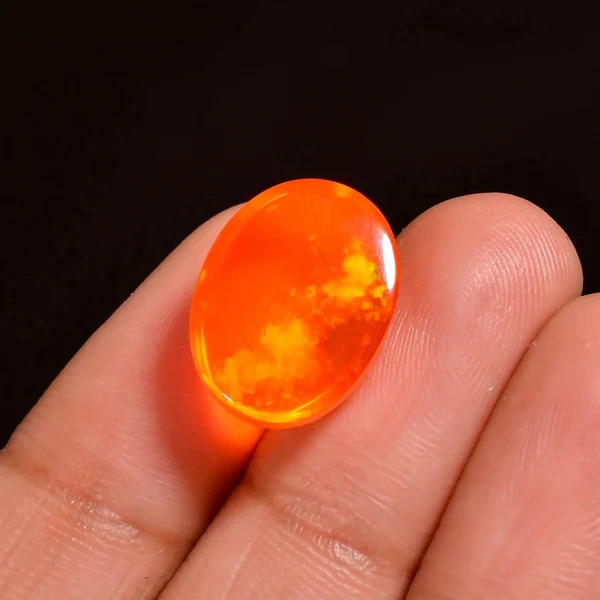
Jewelry makers (wire wrapping, bezel setting): Calibrated AA-AAA cabochons in common sizes offer the best value-to-design ratio. You don't need gem-grade harlequin patterns for most commercial pieces.
Collectors: Budget for rarity, not just size. A small, exceptional harlequin pattern stone will hold and grow value better than a large but visually average one.
Resellers/flippers: Wholesale parcels with consistent calibration sell faster to other small businesses than mixed, uncalibrated lots — factor that into what you're willing to pay per piece.
Final Thought
Before you commit to any opal stone for sale listing, take thirty seconds to ask where the price actually comes from — pattern, body tone, stability, lot size. Once you can read a price tag that way, you'll never overpay out of confusion again, and you'll spot a genuinely good deal the moment you see one.
Frequently Asked Questions
Why is one opal stone for sale listed at $5 and a similar-sized one at $200?
The price gap almost always comes down to play-of-colour intensity and pattern rarity, not size. A larger but dull stone is routinely worth less than a small one with vivid, full-face colour.
Is it normal for opal prices to vary between sellers for the "same" quality?
Yes, grading terms like AAA aren't standardized industry-wide, so two sellers can use the same label for different actual quality levels. Always judge by photos/video, not just the grade name.
Are wholesale opal lots a good way to start a jewelry business?
Generally yes, for calibrated cabochons in common sizes, since they're priced for production use and let you test multiple designs without committing to expensive single stones.
Does opal certification affect price?
A lab certificate confirming natural (treated vs synthetic) origin can support a higher price for higher-value stones, but for everyday cabochons, a transparent sourcing story from the seller matters more in practice than paperwork.