
Transporting a vehicle across the United States involves more than finding a carrier and choosing a pickup date. Vehicle owners must consider transportation costs, scheduling, delivery arrangements, and the level of protection their cars need during the journey. For many everyday drivers, open car shipping offers a practical way to move a vehicle between cities or states without taking on the demands of a long-distance drive.
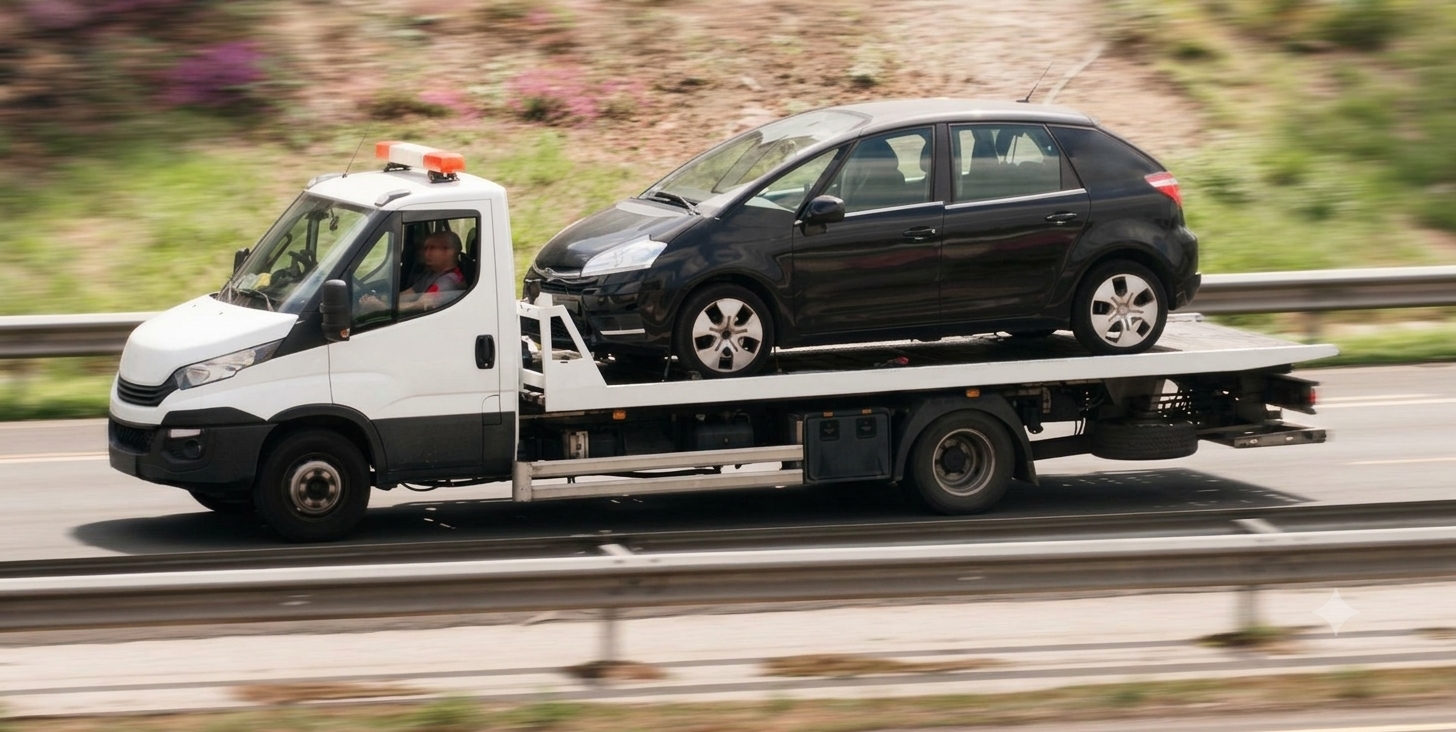
Whether you're moving for a new job, buying a car from another state, sending a vehicle to a family member, or preparing for a seasonal relocation, Rapid Auto Shipping offers open car shipping options to help simplify your vehicle transportation needs. Understanding each step, from choosing a suitable carrier to checking your car upon delivery, can help you enjoy a smoother and more organized shipping experience.
What Happens Behind the Scenes of Open Transport?
Open car shipping involves transporting vehicles on an open trailer rather than inside an enclosed trailer. These carriers commonly have multiple levels and can accommodate several cars on a single trip. This arrangement allows transportation companies to distribute operating expenses across multiple vehicles traveling along compatible routes.
The vehicles remain exposed to normal outdoor conditions during transit, including rain, dust, and sunlight. Although open trailers do not provide the same environmental shielding as enclosed carriers, they are a common choice for standard sedans, SUVs, pickup trucks, and many other everyday vehicles.
For customers who prioritize practical transportation and competitive pricing, open shipping can be a suitable option. Rapid Auto Shipping helps customers explore vehicle transportation arrangements based on their route, schedule, and specific shipping requirements.
Selecting a Carrier Without Guesswork
Choosing a transport provider requires more attention than comparing the lowest advertised price. The carrier arrangement, communication process, insurance documentation, and pickup expectations all influence the overall experience.
Before booking, customers should ask several important questions:
Who will transport the vehicle? Clarify whether the company operates its own trucks or arranges transportation through another carrier.
What insurance coverage applies? Request details about the motor carrier's cargo insurance, applicable exclusions, and procedures for reporting damage.
How is the price calculated? Confirm the total quoted amount and ask whether additional charges could apply to the route or pickup location.
What happens if the schedule changes? Understand the cancellation policy, rescheduling terms, and communication process.
How will the shipment be tracked? Ask whom to contact for pickup updates, transit information, and delivery coordination.
A dependable shipping arrangement should include clear expectations before the vehicle is collected. Customers should also verify relevant company and carrier credentials rather than relying exclusively on promotional claims or online reviews.
The Details That Shape Your Shipping Quote
The cost of transporting a car is influenced by several variables, so two shipments covering similar distances may receive different quotes.
Distance is one consideration, but route popularity can matter just as much. A vehicle traveling between major metropolitan areas may be easier to accommodate than one requiring collection from a remote community. Seasonal demand, vehicle dimensions, operability, fuel prices, and available trailer space can also influence pricing.
Pickup and delivery access deserve attention as well. Large transport trucks cannot safely enter every residential street, apartment complex, or restricted-access neighborhood. If a carrier cannot reach the requested address, a nearby accessible meeting point may be necessary.
When requesting a quote from Rapid Auto Shipping, provide accurate pickup and delivery ZIP codes, the vehicle's make and model, its condition, and your preferred dates. Complete information helps the provider assess the transportation requirements more effectively.
Preparing Your Vehicle Before Pickup
A little preparation can prevent confusion when the carrier arrives. Rather than waiting until the last minute, use the days before collection to make sure the vehicle is ready.
Start with a condition record. Wash the vehicle if practical and take clear photographs of the exterior from multiple angles. Record existing scratches, dents, cracked lights, and other visible damage. These photographs can help when comparing the vehicle's condition after delivery.
Remove personal belongings. Transport companies generally restrict personal items inside vehicles because of weight, liability, and safety considerations. Remove valuables and loose accessories, and confirm the carrier's policy before leaving anything inside.
Check basic operating condition. Make sure the battery, tires, and other essential components are suitable for loading. Tell the transport provider about mechanical problems, warning lights, or modifications that could affect loading.
Confirm the handover arrangements. Have the necessary keys available, verify contact details, and discuss any special instructions. Follow the carrier's guidance regarding fuel levels, alarms, and accessories.
These simple steps help establish a clear record and reduce the likelihood of avoidable pickup delays.
From Collection to the Final Inspection
Once the carrier arrives, the driver typically inspects the vehicle and documents its existing condition on a bill of lading or other applicable shipping paperwork. Customers should review this record carefully and raise any discrepancies before signing.
The vehicle is then positioned and secured on the trailer. During transportation, the carrier follows its planned route, although traffic, weather, road restrictions, and operational circumstances can affect the estimated arrival time.
Delivery coordination is especially important when the vehicle owner is traveling separately. Keep your phone accessible and confirm the delivery location and expected arrival window with the carrier.
At delivery, inspect the vehicle in good lighting before completing the handover. Compare its condition with the original photographs and inspection report. If you notice new damage, document it clearly, note it on the delivery paperwork where appropriate, and follow the carrier's claim procedure promptly. Retain copies of all relevant records.
When Should You Consider Enclosed Transport Instead?
Open transport is appropriate for many everyday vehicles, but it may not meet every owner's preferences. Collectors transporting rare classics, owners of high-value exotic vehicles, and customers seeking additional protection from weather and road debris may prefer enclosed shipping.
Enclosed carriers provide a covered transportation environment, although availability and costs vary by route and vehicle requirements. This option typically costs more than open transport.
The decision comes down to the vehicle's value, condition, budget, and protection priorities. Comparing both services before booking helps ensure that the selected arrangement fits the purpose of the shipment.
Make Your Next Vehicle Move More Predictable
Successful vehicle transportation begins with realistic expectations and clear communication. Understanding carrier arrangements, preparing the vehicle, reviewing shipping documents, and coordinating delivery can make interstate transportation considerably easier.
Rapid Auto Shipping helps customers explore vehicle shipping options for moves across the United States. By reviewing your route, scheduling needs, and vehicle requirements in advance, you can choose an arrangement that suits your circumstances and approach delivery day with greater confidence.
Frequently Asked Questions
1. Is open car shipping safe for everyday vehicles?
Open transport is widely used for standard vehicles. However, cars are exposed to outdoor conditions during transit, and no transportation method eliminates every risk. Reviewing insurance arrangements and documenting vehicle condition are important precautions.
2. How long does open car shipping take?
Transit time depends on distance, route, carrier scheduling, traffic, weather, and pickup and delivery arrangements. Ask the provider for an estimated timeline rather than assuming a guaranteed arrival date.
3. Is open car shipping cheaper than enclosed transport?
It is generally less expensive because open carriers can transport multiple vehicles efficiently. Actual prices depend on the route, vehicle specifications, seasonal demand, and carrier availability.
4. Can I leave luggage inside my car during shipping?
Personal belongings are often restricted or discouraged because of safety, weight, and insurance considerations. Confirm the carrier's specific policy before loading anything into the vehicle.
5. Should my car be operational before pickup?
Ideally, yes. If the vehicle does not start, roll, or steer normally, inform the provider before booking. Specialized loading equipment or a different carrier may be required.