
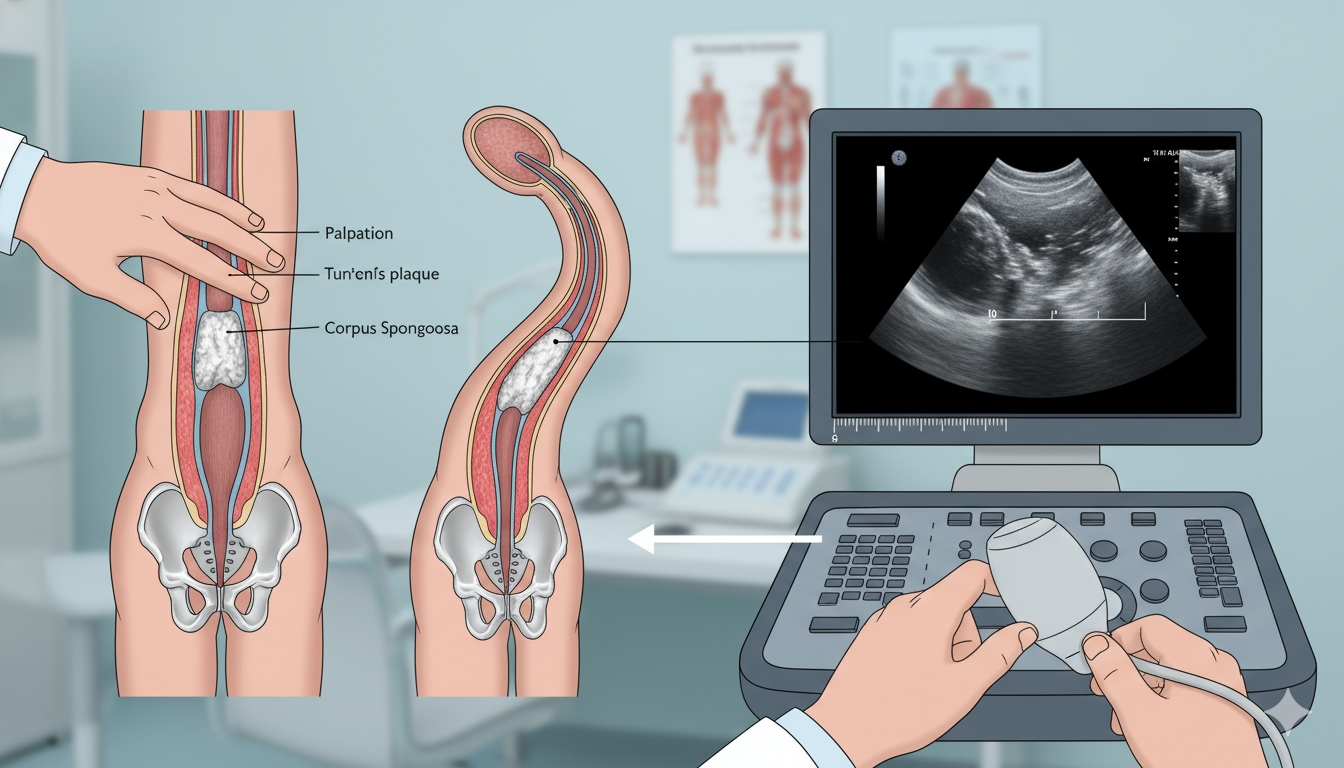
Peyronie’s disease is a non-cancerous condition that affects the penis by causing the formation of fibrous scar tissue beneath the skin. This scar tissue, known as a plaque, reduces the flexibility of the penile tissue, leading to an abnormal curve, pain during erections, or changes in the penis's length and shape. While a slight natural curve is common and usually harmless, Peyronie’s disease can cause a more severe bend that interferes with sexual activity and impacts emotional well-being.
Although the condition can be distressing, it is treatable. Advances in medical therapies and surgical techniques have made it possible for many men to regain sexual function and improve their quality of life. Understanding the causes, symptoms, and treatment options is the first step toward managing Peyronie’s disease effectively.
What Is Peyronie’s Disease?
Peyronie’s disease is a disorder in which fibrous scar tissue develops inside the penis, usually within the tunica albuginea—the strong layer of tissue surrounding the erectile chambers. Because scar tissue is less elastic than healthy tissue, it restricts expansion during an erection, causing the penis to bend toward the affected side.
The severity of the condition varies widely. Some men develop only a mild curve with little discomfort, while others experience significant deformity, pain, erectile dysfunction, or difficulty during sexual intercourse.
The disease is most commonly diagnosed in men between 40 and 70 years of age, but it can occur at any adult age.
What Causes Peyronie’s Disease?
The exact cause of Peyronie’s disease is not completely understood. However, medical experts believe it often results from repeated minor injuries to the penis that heal abnormally.
These injuries may occur during:
Sexual intercourse
Sports activities
Accidental trauma
Physical impact
Vigorous bending of the erect penis
Instead of repairing itself normally, the body produces excessive collagen fibers, forming hard scar tissue.
In some cases, no obvious injury can be identified, suggesting that genetic or immune-related factors may also contribute.
Risk Factors
Several factors increase the likelihood of developing Peyronie’s disease.
Aging
As men age, tissue becomes less flexible and more prone to injury.
Family History
A close relative with Peyronie’s disease may increase the risk.
Connective Tissue Disorders
Conditions such as Dupuytren's contracture are commonly associated with Peyronie’s disease.
Diabetes
Poor blood circulation and slower wound healing can contribute to plaque formation.
Smoking
Smoking damages blood vessels and interferes with tissue repair.
Erectile Dysfunction
Men with erectile dysfunction may experience repeated penile trauma during intercourse.
High Blood Pressure
Long-term vascular disease may affect healing and collagen formation.
Common Symptoms
Symptoms usually develop gradually, although some men notice sudden changes.
Penile Curvature
The hallmark symptom is a noticeable bend during erection.
The penis may curve:
Upward
Downward
Left
Right
The degree of curvature can range from mild to severe.
Hard Plaques
Many men can feel a firm lump or hardened area beneath the skin.
These plaques are not cancerous and usually do not spread.
Pain During Erections
Pain commonly occurs during the early stage of the disease.
For many men, the discomfort decreases once the condition stabilizes.
Erectile Dysfunction
Scar tissue may reduce blood flow or interfere with normal erections.
Some men also develop erectile dysfunction due to anxiety related to the condition.
Penile Shortening
Scar tissue prevents normal stretching of penile tissue, leading to a reduction in length.
Hourglass Deformity
Instead of a smooth shaft, the penis may become narrow in one area, giving it an hourglass appearance.
Emotional Impact
Peyronie’s disease often affects emotional health.
Men may experience:
Anxiety
Depression
Low confidence
Relationship stress
Reduced sexual satisfaction
Stages of Peyronie’s Disease
The disease usually progresses through two phases.
Active Phase
This stage lasts approximately 6–18 months.
During this period:
Plaques develop
Curvature increases
Erection pain is common
Shape changes continue
Stable Phase
The disease eventually stabilizes.
At this stage:
Pain usually improves
Curvature no longer worsens
Scar tissue becomes permanent
Treatment decisions become easier
Diagnosis
A urologist can usually diagnose Peyronie’s disease through a combination of examination and imaging.
Medical History
Your doctor will ask about:
Duration of symptoms
Pain
Erectile function
Previous injuries
Sexual difficulties
Physical Examination
The penis is examined to identify plaques and measure deformity.
Ultrasound
A penile ultrasound helps evaluate:
Scar tissue
Blood circulation
Calcification
Plaque location
Ultrasound is one of the most useful diagnostic tests.
Erection Assessment
Sometimes medication is injected into the penis to create an erection, allowing accurate measurement of the curve.
Treatment Options
Treatment depends on:
Disease stage
Curvature severity
Erectile function
Individual goals
Observation
Men with mild curvature and normal sexual function may simply be monitored.
Regular follow-up ensures the condition does not worsen.
Oral Medications
Although no pill completely cures Peyronie’s disease, certain medications may help reduce inflammation.
Examples include:
Pentoxifylline
Vitamin E
Colchicine
Benefits are generally modest and vary between patients.
Penile Traction Therapy
Traction devices gently stretch the penis over time.
Potential benefits include:
Reduced curvature
Better penile length
Improved tissue flexibility
Daily use for several months is often required.
Injection Therapy
Medication can be injected directly into the plaque.
Collagenase
Collagenase breaks down excess collagen within scar tissue and can reduce curvature in suitable patients.
Verapamil
Verapamil may soften plaques and reduce collagen production.
Interferon Alpha-2b
This medication may decrease inflammation and improve penile shape.
Shockwave Therapy
Low-intensity shockwave therapy may reduce penile pain in selected patients.
However, it has limited ability to straighten the penis.
Surgical Treatment
Surgery is considered when:
Curvature has remained stable
Sexual intercourse is difficult
Conservative treatment has failed
Penile Plication
The unaffected side of the penis is shortened to create a straighter erection.
Advantages include:
High success rate
Short operation
Fast recovery
Plaque Incision and Grafting
The surgeon releases the scar tissue and places a tissue graft over the affected area.
This option is suitable for severe deformities while preserving penile length.
Penile Prosthesis
Men with severe erectile dysfunction may benefit from a penile implant.
The prosthesis restores erectile function and often corrects curvature simultaneously.
Recovery After Treatment
Recovery varies depending on the treatment.
Patients are generally advised to:
Avoid sexual activity until healing is complete
Take prescribed medications
Attend follow-up appointments
Follow rehabilitation instructions
Maintain healthy lifestyle habits
Most men resume normal daily activities within a few weeks after surgery.
Possible Complications
If left untreated, Peyronie’s disease may result in:
Permanent penile curvature
Erectile dysfunction
Painful intercourse
Difficulty with penetration
Penile shortening
Emotional distress
Relationship challenges
Can Peyronie’s Disease Be Prevented?
Although prevention is not always possible, healthy habits may reduce the risk.
Helpful measures include:
Avoid rough sexual activity
Use adequate lubrication during intercourse
Stop smoking
Control diabetes
Manage high blood pressure
Maintain a healthy weight
Seek treatment for erectile dysfunction
Living with Peyronie’s Disease
Living with Peyronie’s disease can be emotionally challenging, but support is available. Many men benefit from counseling, support groups, or sex therapy to address the psychological effects of the condition.
Open communication with a partner and regular follow-up with a healthcare provider can improve both emotional and physical outcomes.
When Should You See a Doctor?
Schedule an appointment with a healthcare provider if you notice:
A new curve in the penis
Pain during erections
A hard lump beneath the skin
Difficulty having intercourse
Erectile dysfunction
Changes in penile length or shape
Early diagnosis often leads to better treatment outcomes.
Frequently Asked Questions
Is Peyronie’s disease contagious?
No. Peyronie’s disease cannot be spread through sexual contact or physical touch.
Can Peyronie’s disease heal without treatment?
Some mild cases remain stable, but significant curvature rarely resolves completely on its own.
Does Peyronie’s disease increase cancer risk?
No. It is a benign condition and is not linked to penile cancer.
Can younger men develop Peyronie’s disease?
Yes. Although more common in older men, younger adults can also develop the condition.
Is surgery always necessary?
No. Many patients improve with observation, traction therapy, or injections. Surgery is usually reserved for severe or stable cases.
Conclusion
Peyronie’s disease is a treatable condition that causes scar tissue formation inside the penis, leading to curvature, pain, and changes in sexual function. While the condition can affect confidence and relationships, early medical evaluation and appropriate treatment can significantly improve outcomes.
Treatment options range from observation and traction therapy to injections and surgery, depending on the severity of the disease. If you notice persistent penile curvature, pain, or other concerning symptoms, consult a qualified urologist. Timely diagnosis and personalized care can help restore function, relieve symptoms, and improve overall quality of life.
SEO Keywords: Peyronie’s disease, Peyronie’s disease treatment, penile curvature, Peyronie’s disease symptoms, scar tissue in penis, Peyronie’s disease causes, Peyronie’s disease diagnosis, erectile dysfunction, penile plaque, Peyronie’s disease surgery.