
Tulsi holds a uniquely sacred position in Indian homes and Hindu traditions. Traditionally associated with purity, devotion, auspiciousness, and Lord Vishnu, the living Tulsi plant has been cared for and worshipped by families for generations.
A Silver Tulsi Plant offers a beautiful and lasting representation of this sacred symbol. Crafted as a decorative devotional piece, it can be placed in a home temple, prayer room, meditation space, or gifted on an auspicious occasion.
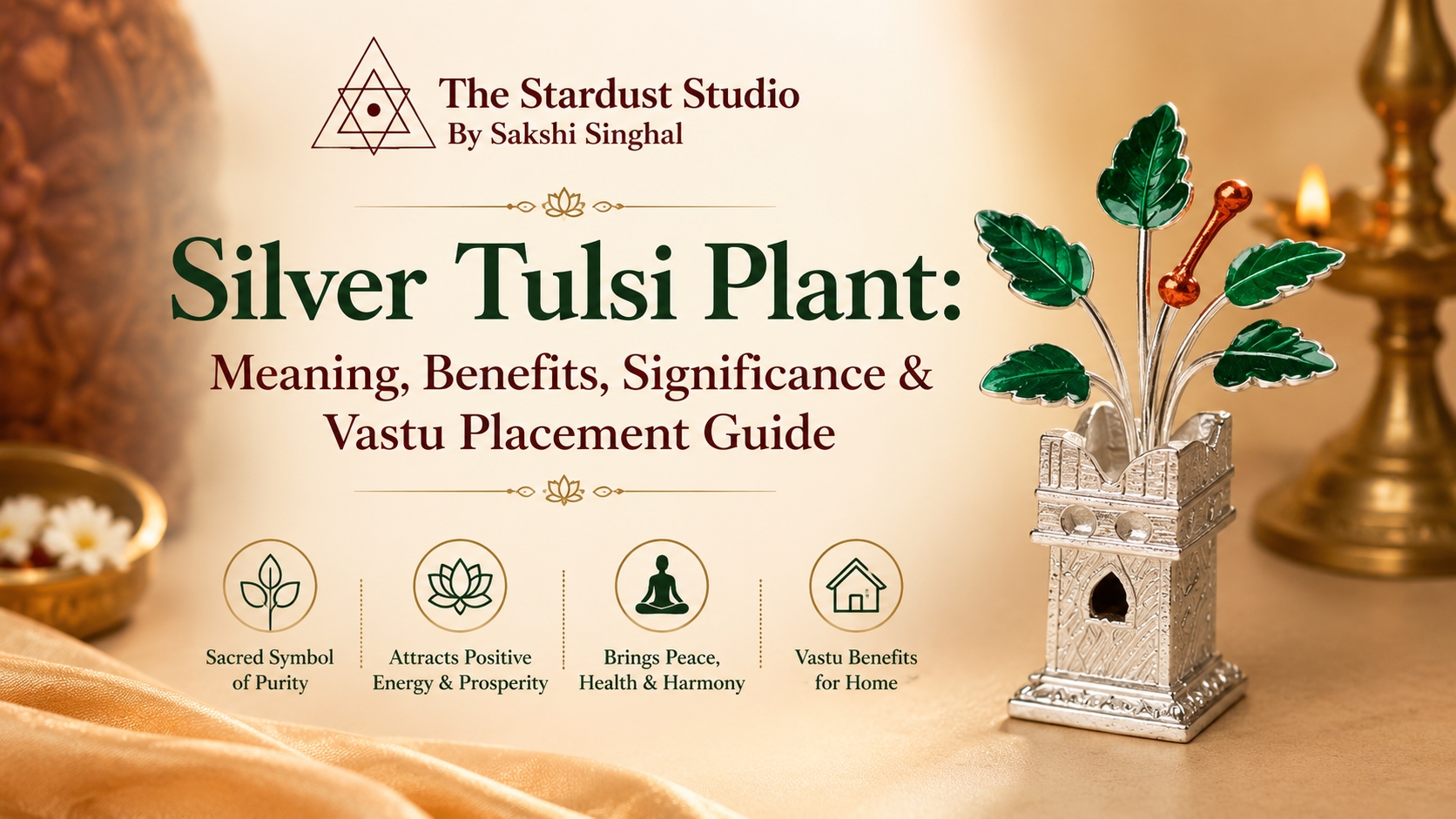
Unlike a living Tulsi plant, a silver representation does not require sunlight, soil, watering, or daily gardening. It can therefore serve as a long-lasting reminder of Tulsi's devotional significance.
But where should you place it? What does it traditionally symbolize? What are the Silver Tulsi Plant benefits, and what should you check before buying a Pure Silver Tulsi Plant?
This guide explores its meaning, traditional significance, Vastu placement, gifting value, care, and buying considerations.
What Is a Silver Tulsi Plant?
A Silver Tulsi Plant is a decorative representation of the sacred Tulsi plant made using silver or a silver component, depending on the product.
Tulsi, also known as Holy Basil, is particularly revered in Vaishnava traditions and is associated with Lord Vishnu and Lord Krishna.
A silver representation allows devotees to preserve the visual and symbolic presence of Tulsi in a home temple or spiritual space without the practical maintenance required by a living plant.
It can be used as devotional décor, a keepsake, or a meaningful spiritual gift.
What Does a Silver Tulsi Plant Symbolize?
The symbolism comes primarily from Tulsi itself.
In Hindu traditions, Tulsi is associated with:
Purity
Devotion
Bhakti
Auspiciousness
Lord Vishnu
Lord Krishna
Silver adds another dimension through its traditional association with purity, elegance, and sacred objects.
Together, the two create a meaningful devotional symbol that can represent faith, reverence, and spiritual connection.
Silver Tulsi Plant Significance in Hindu Tradition
Tulsi has been revered in Hindu households for centuries. A living Tulsi plant is traditionally maintained and worshipped, particularly in Vaishnava families.
Tulsi leaves are commonly offered during worship, especially in traditions connected with Lord Vishnu and Lord Krishna.
A silver Tulsi representation should be understood as a symbolic devotional object rather than a replacement for a living Tulsi plant when a particular ritual specifically requires fresh Tulsi leaves.
This distinction is important when incorporating it into formal religious practices.
Silver Tulsi Plant Benefits
The commonly discussed Silver Tulsi Plant benefits are primarily devotional, symbolic, and practical.
1. Symbol of Devotion
A silver Tulsi representation can serve as a lasting reminder of faith, Bhakti, and devotion.
For devotees, keeping it in a home temple can make the spiritual space feel more personal and meaningful.
2. Represents Purity and Auspiciousness
Tulsi is traditionally regarded as sacred and auspicious. A silver representation preserves this symbolism in a durable decorative form.
3. Long-Lasting Spiritual Décor
Unlike a living plant, a silver Tulsi does not require sunlight, watering, soil, or gardening.
It can remain part of your home temple for many years with appropriate care.
4. Supports a Dedicated Prayer Space
Seeing a sacred symbol in your prayer area can serve as a visual reminder to pause for prayer, gratitude, meditation, or reflection.
5. Elegant Traditional Décor
A well-crafted silver Tulsi plant can complement both traditional mandirs and contemporary home interiors.
These benefits should be understood as traditional and symbolic rather than scientifically proven effects.
Where Should You Keep a Silver Tulsi Plant?
The ideal Silver Tulsi Plant placement depends on your home's layout and the Vastu tradition you follow.
A clean and dedicated home temple is generally the simplest choice.
According to commonly followed Vastu principles, the North-East direction, or Ishan Kon, is often considered favourable for spiritual activities.
The East may also be considered suitable for a devotional space.
However, there is no need to rearrange your entire home solely to accommodate a decorative silver Tulsi. A clean, elevated, peaceful, and respectful location is more important than rigidly following one directional rule.
Silver Tulsi Plant Vastu: Important Guidelines
If you're following Silver Tulsi Plant Vastu, consider these practical points:
Keep It in a Clean Space
Choose a location that is regularly cleaned and maintained.
Place It on an Elevated Surface
A home temple, shelf, chowki, or dedicated altar is preferable to placing it directly on the floor.
Avoid Clutter
Don't keep the plant representation buried among unrelated objects or household clutter.
Keep It Away from Unclean Areas
Bathrooms, waste-storage areas, and neglected corners are generally unsuitable for sacred devotional objects.
Respect Your Family Tradition
Vastu and worship practices can vary between families and traditions. If you already follow specific guidance from your family priest or spiritual teacher, that guidance should take priority.
Silver Tulsi Plant Direction: Which Way Is Best?
If you're specifically looking for a Silver Tulsi Plant direction, the North-East is commonly preferred for spiritual objects under traditional Vastu practices.
The East is another commonly considered option.
However, direction should not become the only factor in your decision. If your home temple is already established elsewhere, keeping the Silver Tulsi Plant in that clean and respected space may be more practical.
Can You Keep a Silver Tulsi Plant in a Home Temple?
Yes.
A Silver Tulsi Plant can be displayed respectfully in a home mandir or prayer room.
It can be placed alongside other devotional objects, provided the arrangement remains clean and uncluttered.
Remember that it represents Tulsi symbolically. If a specific puja requires fresh Tulsi leaves, use actual leaves according to the relevant tradition.
Can You Keep It in the Living Room?
Yes, if your living room has a dedicated spiritual corner, home altar, or devotional shelf.
Rather than placing it randomly as ordinary décor, many devotees prefer to give it a dedicated space.
This allows the Silver Tulsi Plant to retain its devotional character while blending naturally into the home's interior.
Can You Keep a Silver Tulsi Plant in an Office?
A silver Tulsi representation can also be kept in an office or workspace if it has personal spiritual significance for you.
Choose a clean shelf or dedicated spiritual corner rather than a cluttered desk.
If you're applying Vastu specifically to your workplace, consider the overall office layout instead of relying on a single generic placement rule.
Pure Silver Tulsi Plant: What Should You Check?
If you're searching for a Pure Silver Tulsi Plant, pay close attention to the product description.
Check:
Stated silver purity
Silver weight, if provided
Dimensions
Construction
Hallmarking or purity information where applicable
Whether all components are silver or only specific parts
Don't assume that the word "pure" automatically establishes a particular silver fineness.
If purity is important to you, ask the seller to clarify exactly what silver purity applies to the product.
Silver Tulsi Plant Price: What Determines It?
The Silver Tulsi Plant price can vary considerably from one product to another.
Factors that can affect the price include:
Silver purity
Silver weight
Size
Design complexity
Craftsmanship
Hand-finishing
Packaging
A larger or more intricately crafted piece may naturally cost more because of the material and workmanship involved.
However, price alone cannot establish quality or authenticity. Always compare the product specifications along with the price.
Silver Tulsi Plant as a Gift
A Silver Tulsi Plant gift can be a thoughtful choice for someone who appreciates spirituality, traditional Indian culture, or devotional décor.
It can be considered for:
Housewarming ceremonies
Weddings
Anniversaries
Diwali
Janmashtami
Religious ceremonies
New beginnings
Festive gifting
Because silver is durable and Tulsi has deep devotional significance, the gift can become a meaningful keepsake rather than a temporary decorative item.
How to Care for a Silver Tulsi Plant
Proper care depends on the silver finish and construction of the specific product.
For routine maintenance, gently wipe the surface with a soft cloth.
Avoid harsh chemicals, abrasive materials, and unnecessary exposure to moisture.
If the piece develops tarnish, use a silver-cleaning method appropriate for its stated material and finish.
When not on display, store it in a clean, dry pouch or box to protect it from scratches and humidity.
Silver Tulsi Plant vs Living Tulsi Plant
These two serve different purposes.
A living Tulsi plant is a botanical plant that requires sunlight, water, soil, and regular care. It can also be used for rituals that specifically require fresh Tulsi leaves.
A Silver Tulsi Plant, on the other hand, is a permanent symbolic representation. It requires little maintenance and can remain in your home temple as devotional décor.
Therefore, one does not necessarily replace the other.
Common Mistakes to Avoid
One common mistake is assuming a silver representation can replace fresh Tulsi leaves in every religious ritual.
Another is purchasing a product based solely on the phrase "pure silver" without checking the actual stated purity.
It's also unnecessary to become overly concerned about one exact Vastu direction if your existing home temple is already established in another clean and appropriate location.
Finally, avoid treating traditional benefits as guaranteed outcomes. A devotional object is best approached with faith, respect, and realistic expectations.
Why Choose The Stardust Studio?
At The Stardust Studio, we believe spiritual products should combine traditional meaning with thoughtful craftsmanship and elegant design.
Our Silver Tulsi Plant is designed as a lasting devotional representation suitable for home temples, spiritual corners, and meaningful gifting.
When selecting your piece, review the individual product listing for its exact material, silver purity, dimensions, design, and care information.
Whether you're looking for a Pure Silver Tulsi Plant, a devotional home décor piece, or a Silver Tulsi Plant gift, The Stardust Studio aims to bring together traditional symbolism and refined craftsmanship.
Final Thoughts
A Silver Tulsi Plant beautifully combines the sacred symbolism of Tulsi with the timeless elegance of silver. For devotees, it can represent purity, devotion, auspiciousness, and a lasting connection with spiritual traditions.
For Silver Tulsi Plant Vastu, the North-East is commonly preferred, while the East and a dedicated home temple can also be considered depending on your home's layout and family tradition.
If you're looking for a Pure Silver Tulsi Plant for your home temple or a meaningful Silver Tulsi Plant gift, explore the collection at The Stardust Studio. Review the individual product details carefully to choose a piece that matches your devotional preferences, space, and expectations.