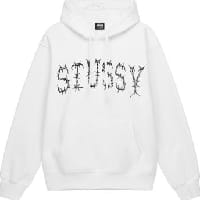
There are very few single words in fashion that instantly conjure an entire aesthetic, a subculture, and a decades-long history — "Stussy" is one of them. Say the name, and most people picture the same thing: a scrawled, graffiti-style signature logo on a T-shirt, hoodie, or cap. But behind that one word lies a brand that helped invent an entire category of fashion now known as streetwear. This article looks at what makes the word "Stussy" so powerful, why the logo became iconic, and how a single name turned into a global cultural symbol.
Where the Word Comes From
The word "Stussy" is not a made-up brand name dreamed up by a marketing team — it is a literal surname. Shawn Stussy, a young surfer and surfboard shaper from Laguna Beach, California, began signing his handmade boards with his own family name in the early 1980s. He wrote it in a loose, hand-drawn style that echoed the graffiti and punk aesthetics of the era, partly inspired by his uncle, painter Jan Stussy. What started as a simple signature of ownership and craftsmanship slowly transformed into a logo, then into a brand identity, and eventually into a piece of fashion history.
This origin matters because it explains why the Stussy logo feels so personal and organic compared to many corporate logos. It wasn't designed in a boardroom — it was a real person's actual handwriting, repeated so many times across boards, shirts, and jackets that it became a symbol bigger than the man who wrote it.
From Signature to Streetwear Symbol
In the early 1980s, Shawn began printing his signature on plain T-shirts to help promote his surfboards at trade shows. He quickly noticed that people were more interested in wearing the shirts than buying the boards. This small discovery changed everything. By 1984, he had partnered with friend Frank Sinatra Jr. to officially launch Stussy as a clothing label, and the word "Stussy" began appearing on apparel sold not just to surfers, but to skaters, DJs, and eventually hip-hop artists across the world.
The genius of the brand was how naturally the word spread. Instead of heavy advertising, Stussy relied on a loose global network of tastemakers — record store owners, skate shop staff, DJs, and local scene leaders — who wore and sold the clothing in their own cities. This informal group became known as the "Stussy Tribe," and it functioned almost like an early, analog version of influencer marketing, decades before the internet made that concept mainstream. Wherever the word "Stussy" appeared, it carried a certain credibility — it meant you were connected to something authentic, not mass-produced.
Why the Logo Still Works Today
Part of the reason the name and logo have endured for more than forty years is their simplicity. Unlike many fashion logos that rely on symbols, animals, or abstract marks, Stussy Hoodie is just a name, written by hand. That human quality — imperfect lines, natural rhythm, a signature rather than a typeface — is part of what makes it feel timeless rather than trendy.
The brand also played with the word itself in clever ways over the years. Designs like the interlocking double-S, which visually echoed luxury logos such as Chanel's double-C, showed a playful, almost rebellious attitude toward high fashion — using humor and homage rather than direct imitation. This mix of confidence and wit helped the word "Stussy" stand apart from other streetwear names that tried too hard to look "designed."
A Name That Outgrew Its Founder
One of the more surprising parts of the Stussy story is that the man behind the name has not run the company for nearly three decades. In 1996, at the height of the brand's popularity, Shawn Stussy sold his shares and stepped away from day-to-day involvement, eventually settling in Hawaii. Ownership passed to the Sinatra family, who have continued building the label internationally ever since.
Despite this, the word "Stussy" never lost its connection to its founder in the public imagination. Even people unfamiliar with the brand's business history still associate the name directly with Shawn Stussy's original signature and surf culture roots. Few brand names manage to remain this personal decades after their founder's departure — it speaks to how deeply the identity of the word was established in those first formative years.
Global Reach, Local Meaning
Today, the word "Stussy" means slightly different things depending on where you are in the world. In California, it still carries strong ties to surf and skate culture. In Japan, where the brand expanded early and built a devoted following in cities like Tokyo, it became deeply woven into the local streetwear scene, influencing Japanese designers who would go on to create their own influential labels. In Europe, it became associated with the rise of skate and hip-hop fashion in cities like London and Paris.
This adaptability is part of why "Stussy" has remained relevant for over four decades, a lifetime in fashion terms. The word has been printed on countless collaborations — with brands ranging from Nike and Vans to, more recently, luxury house Dior — yet it never loses its core identity. Whether on a Californian surfboard, a Tokyo store rack, or a Paris runway, the same handwritten word carries the same underlying story.
More Than a Logo
Ultimately, what makes "Stussy" such an interesting case study in branding is that it never tried to be a polished, invented word like many fashion houses. It stayed exactly what it started as — a person's real name, written by hand, repeated enough times to become a symbol of an entire cultural movement. That authenticity is difficult to manufacture, which is likely why so many later streetwear brands have tried, consciously or not, to replicate the same formula: take something personal, keep it simple, and let culture do the rest.