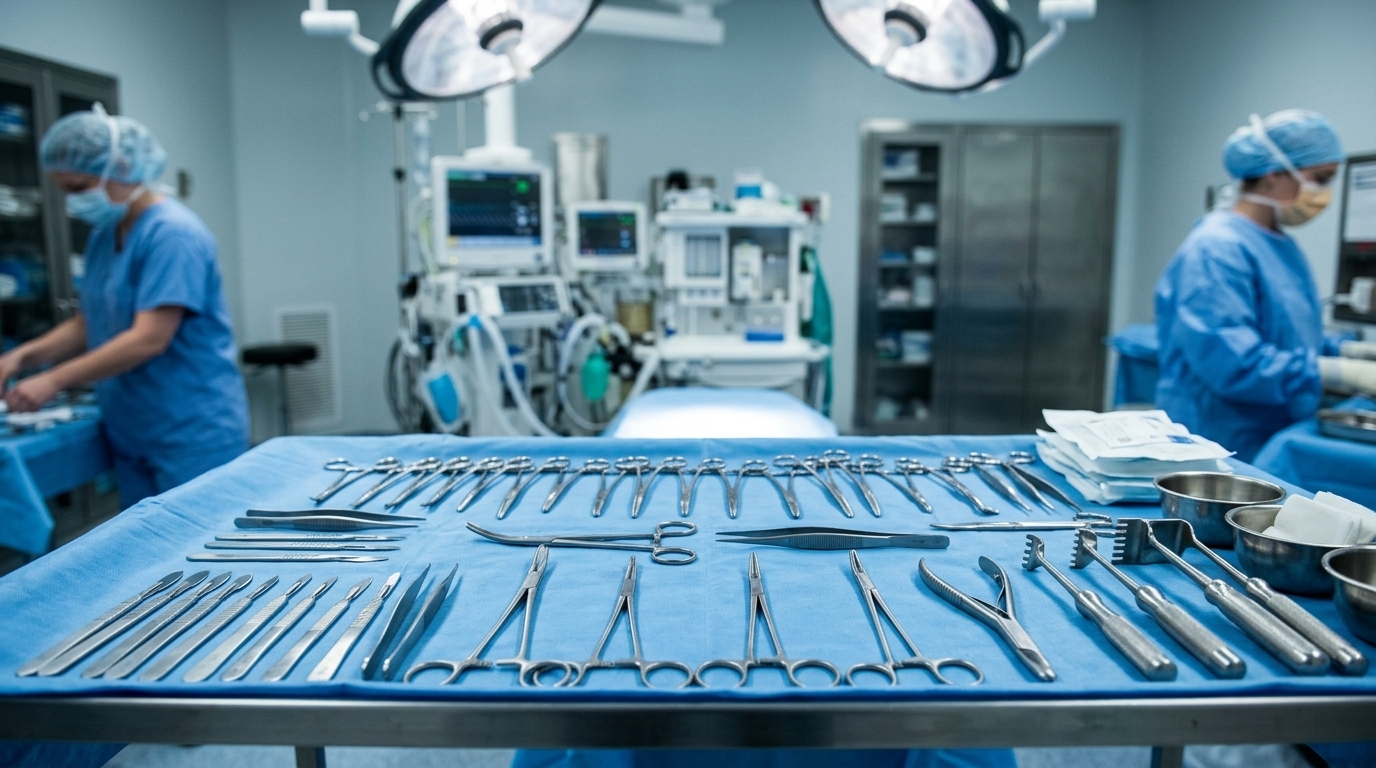
Different procedures require different tools. Some instruments are designed for common operations, while others are made for specific medical needs. General surgical instruments are used in many routine procedures, while plastic surgery instruments are designed to support procedures that involve tissue repair, reconstruction, and changes to body features.
Choosing suitable instruments is important for safe and effective surgical care. Proper cleaning, sterilization, storage, and maintenance also help keep these tools in good condition and ready for use.
Understanding Surgical Instruments
Surgical instruments are tools used by trained healthcare professionals during medical procedures. They come in different shapes, sizes, and designs depending on their purpose.
Many instruments are made from medical-grade stainless steel because it is strong and can resist corrosion when cared for correctly. Some specialized tools may use other suitable materials to meet the needs of a procedure.
Each instrument has a specific function. Selecting the right tool can help a surgical team work with better control and keep the procedure organized.
Importance in Modern Healthcare
Surgical instruments support many types of operations, from simple procedures to complex surgeries. They allow surgeons to perform specific tasks with care and accuracy.
Using suitable tools can help the surgical team handle tissue, control bleeding, and access the area being treated. Well-designed instruments can also provide a comfortable grip and help reduce unnecessary movement during a procedure.
The condition of each instrument matters. Damaged, poorly maintained, or unsuitable tools should not be used because they may affect the safety and quality of care.
Cutting Instruments
Cutting instruments are used to make controlled cuts during surgery. Common examples include scalpels and surgical scissors.
Scalpels are designed for precise cuts, while scissors are used to cut tissue, sutures, or other materials according to their design. Different sizes and shapes are available for different tasks.
Cutting tools should be sharp, clean, and in good condition. Healthcare staff should inspect them before use and follow the correct cleaning and sterilization process.
Grasping and Holding Instruments
Grasping instruments help surgeons hold or move tissue and other materials during an operation. Forceps are common examples of this type of tool.
Different forceps have different tip designs. Some have smooth tips for delicate handling, while others have teeth or textured surfaces to provide a firmer grip.
The correct instrument depends on the procedure and the type of tissue being handled. Proper use can help the surgical team maintain control during important steps.
Clamping Instruments
Clamping instruments are used to hold tissue or blood vessels and may help control bleeding during surgery. Different clamps are designed for different tasks.
Some clamps provide a firm grip, while others are designed for more delicate work. Their size and shape depend on the intended use.
Clamps should be checked regularly to make sure their gripping and locking parts work correctly. Any instrument with loose parts or visible damage should be removed from use until it has been inspected.
Retractors for Surgical Access
Retractors help hold tissue away from the area where a surgeon is working. They provide access and visibility during many types of procedures.
Some retractors are held by a member of the surgical team, while others can remain in place during surgery. Different designs are used for different parts of the body.
Choosing a suitable retractor can help create enough working space while limiting unnecessary pressure on nearby tissue. Proper handling is important throughout the procedure.
General Surgical Instruments
General surgical instruments are used in many common operations and medical procedures. They include tools such as scissors, forceps, clamps, needle holders, and retractors.
These instruments support basic surgical tasks, including cutting, grasping, holding, stitching, and providing access to the treatment area. Their wide range of uses makes them important in many hospital operating rooms.
Healthcare facilities should select instruments that match their needs and ensure that staff understand how to handle them. Regular inspection and proper care can help maintain their performance.
Plastic Surgery Instruments
Plastic surgery instruments are designed for procedures involving tissue repair, reconstruction, and changes to body features. They may be used in reconstructive surgery following an injury or illness, as well as in certain cosmetic procedures.
These tools may include fine scissors, delicate forceps, specialized retractors, and other instruments designed for careful tissue handling. Their shape and size can help surgeons work in areas where precision is important.
The choice of instrument depends on the procedure and the surgeon's needs. Proper handling and maintenance are essential to support safe use.
Needle Holders and Suturing Tools
Needle holders are used to hold surgical needles during stitching. They help surgeons guide needles and place sutures to close wounds or join tissue.
These tools come in different sizes and designs. The correct type depends on the procedure, the needle being used, and the area being treated.
Needle holders should grip needles securely without causing unnecessary damage. Their locking mechanism and gripping surfaces should be inspected regularly to make sure they work as intended.
Advantages of Quality Instruments
Quality surgical instruments can help medical teams perform tasks with better control. Suitable designs and reliable materials may also improve handling and support consistent performance.
Well-made tools can be easier to clean and maintain when used according to the manufacturer's instructions. Durable instruments may also reduce the need for frequent replacement.
However, quality depends on more than the material alone. Proper selection, correct use, suitable cleaning, and regular inspection are also important.
Cleaning and Sterilization
Cleaning and sterilization are essential parts of instrument care. Cleaning removes visible soil and other material, while sterilization uses an approved process to remove harmful microorganisms.
Reusable instruments must be processed according to the manufacturer's instructions and the healthcare facility's infection-control procedures. Instruments should be checked after cleaning to identify any damage or remaining debris.
After processing, instruments should be stored in a way that protects them from contamination. Staff must follow the correct procedures before the instruments are used again.
Maintenance and Safe Storage
Regular maintenance can help extend the useful life of surgical tools. Instruments should be checked for rust, cracks, loose parts, damaged tips, and problems with moving sections.
Tools should be stored in clean, dry conditions and handled carefully during transport. Any instrument that does not work properly should be removed from use and assessed by trained staff.
Good storage and maintenance practices can help protect instruments and support an organized operating room.
Choosing the Right Surgical Instruments
Healthcare facilities should consider the type of procedures they perform before purchasing instruments. Important factors include quality, design, durability, ease of handling, cleaning needs, and supplier support.
Facilities should also make sure the instruments meet the needs of trained medical professionals. Specialized departments may require tools designed for particular procedures.
Working with a reliable supplier can help healthcare facilities understand product features, maintenance requirements, and available options.
Conclusion
Surgical instruments are essential tools in modern healthcare. They support many important tasks, including cutting, grasping, clamping, stitching, and providing access during medical procedures.
General surgical instruments are widely used in routine operations, while plastic surgery instruments support procedures that require specialized tools for tissue repair and reconstruction. Each instrument should be selected according to its intended purpose.
Proper cleaning, sterilization, storage, inspection, and maintenance help keep surgical tools safe and reliable. With suitable instruments and responsible care, healthcare teams can support organized procedures and provide effective patient care.
More Info: Amg Medical