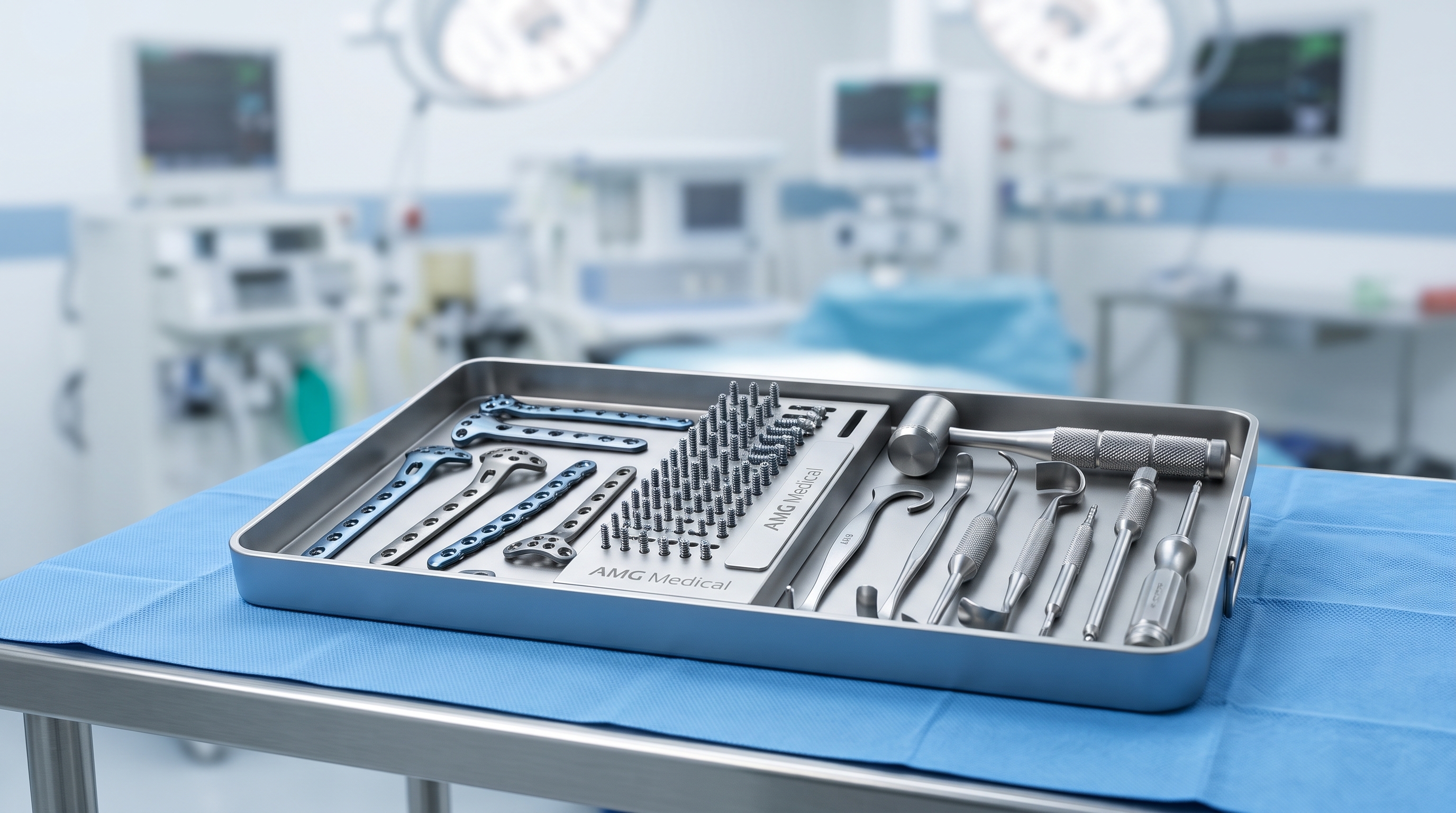
Orthopedic instruments play an important role in modern healthcare. They are used by surgeons and medical teams to treat injuries and conditions that affect bones, joints, muscles, and other parts of the body that support movement. These tools are needed during procedures such as fracture repair, joint replacement, and other bone surgeries.
The right instruments help surgeons work with control and accuracy. They also support a more organized operating room and help medical teams carry out different tasks during a procedure. Like other surgical instruments, orthopedic tools must be suitable for their purpose, properly cleaned, and kept in good working condition.
Choosing reliable equipment is important for hospitals and clinics. A trusted surgical instrument manufacturer can help healthcare facilities find tools designed for specific procedures and made to meet suitable quality and safety needs.
What Are Orthopedic Instruments?
Orthopedic instruments are special medical tools used to examine, repair, or treat problems involving bones and joints. They are designed to support tasks such as cutting bone, holding tissue, placing implants, and keeping bones in the correct position during surgery.
These instruments come in different shapes, sizes, and designs. Some are hand tools, while others are powered devices used for specific surgical tasks. The instruments selected depend on the type of operation, the patient's needs, and the surgeon's preferred method.
Orthopedic tools are commonly used in hospitals, trauma centers, and specialist clinics. They must be handled by trained professionals who understand their correct use and follow the required safety procedures.
Importance of Orthopedic Instruments in Surgery
Orthopedic instruments help surgeons carry out procedures that may be needed after an accident, injury, or long-term joint problem. They support careful handling of bones and nearby tissues and help the surgical team complete the required steps.
For example, a fracture may require the bones to be placed in the correct position and held in place with plates, screws, or other implants. Specialized instruments help surgeons prepare the area and position these devices as needed.
Well-designed tools can support better control during surgery. However, safe results also depend on the surgeon's skills, the patient's condition, proper planning, and the correct use of all equipment.
Bone Cutting Instruments
Bone cutting instruments are used to cut, shape, or remove bone during certain orthopedic procedures. They may be needed in fracture repair, joint surgery, and other operations involving bone.
Bone saws, osteotomes, and bone chisels are common examples. Bone saws may be powered or manual, depending on the procedure. Osteotomes and chisels are designed to help surgeons cut or shape bone with controlled movements.
These tools must be sharp, clean, and in good condition. Damaged or poorly maintained instruments can make a procedure more difficult, so they should be inspected before use and removed from service if a fault is found.
Bone Holding and Gripping Instruments
Bone holding instruments help surgeons hold bones in position during an operation. They are especially useful when a fracture needs to be aligned before it is fixed with implants.
Bone holding forceps and reduction forceps are examples of tools used for this purpose. Their design allows the surgical team to grip bone and maintain its position while the surgeon completes the next step.
The size and type of instrument depend on the bone being treated and the nature of the injury. Correct selection is important because different bones and procedures require different levels of control. These instruments must be cleaned, checked, and handled according to approved procedures.
Drills and Reamers
Drills and reamers are used in some orthopedic procedures to prepare bone for implants or other devices. They can help create openings or shape a space according to the needs of the operation.
Orthopedic drills may be powered and designed for use with specific surgical attachments. Reamers are used to enlarge or shape a prepared area, including in certain joint replacement procedures.
These tools require careful use and regular inspection. Their parts and attachments should match the intended device and procedure. The surgical team must follow the manufacturer's instructions and hospital safety rules when preparing and using them.
Bone Plates, Screws, and Implant Instruments
Some orthopedic operations require implants to help hold bones in place while they heal or to replace damaged joint parts. Plates and screws are common examples used in selected procedures.
Special instruments help surgeons prepare the bone, place implants, and tighten screws as needed. Screwdrivers, drill guides, and measuring tools may be included in an orthopedic instrument set.
The implants and tools must be suitable for the procedure and compatible with each other. Correct planning and careful handling help the surgeon position the devices as intended. The instruments must also be checked before surgery to confirm that the required parts are available.
Retractors and Supporting Instruments
Retractors are used to move soft tissue away from the working area so the surgeon can reach the bone or joint. They help create space and improve visibility during an operation.
Other surgical instruments, such as clamps, scissors, and forceps, may also be used during orthopedic procedures. Each tool has a different role, and the surgical team selects instruments according to the operation.
These tools should be easy to handle and suitable for the task. Proper cleaning, inspection, and storage help keep them ready for future use.
Orthopedic Instrument Sets
Hospitals often prepare instrument sets for different types of orthopedic surgery. A set may contain bone holding forceps, drills, reamers, retractors, cutting tools, and instruments used to place implants.
Organized sets can help the surgical team prepare for a procedure and check that the required tools are present. The contents depend on the type of surgery, such as fracture repair, joint replacement, or other bone procedures.
Before use, every instrument should be checked for cleanliness, damage, and proper function. Sterilization must follow approved procedures and the manufacturer's instructions. Correct storage after sterilization helps protect the instruments from contamination.
Choosing a Reliable Surgical Instrument Manufacturer
Selecting a reliable surgical instrument manufacturer is important for hospitals, clinics, and medical supply teams. Buyers should consider the quality of materials, instrument design, durability, and suitability for the procedures being performed.
Manufacturers and suppliers should provide clear product details and instructions for cleaning, sterilization, and maintenance. Buyers may also need to ask about product testing, warranty terms, repair support, and the availability of replacement parts.
Healthcare facilities should compare products according to their needs rather than choosing instruments based on price alone. Reliable support can help staff understand how to care for equipment and maintain it over time.
Maintenance and Sterilization
Orthopedic instruments need proper cleaning and sterilization before reuse. Cleaning removes visible material, while sterilization uses an approved process to make reusable instruments safe for patient care.
Instruments should be inspected for rust, cracks, loose parts, and signs of wear. Moving parts may need care according to the manufacturer's instructions. Any tool that does not work properly should be removed from use until it has been assessed by qualified staff.
Regular maintenance can help extend the useful life of instruments and reduce avoidable equipment problems. Keeping service and inspection records also helps healthcare facilities track the condition of their tools.
Conclusion
Orthopedic instruments are essential tools for procedures involving bones, joints, and movement-related injuries. Bone cutting tools, holding forceps, drills, reamers, retractors, and implant instruments each support specific tasks during surgery.
These tools are part of the wider range of surgical instruments used in modern healthcare. Choosing suitable equipment from a reliable surgical instrument manufacturer, along with proper training, cleaning, sterilization, and maintenance, helps healthcare teams prepare for procedures and use their instruments responsibly.
With the right tools and careful handling, orthopedic teams can support well-organized surgical care and meet the needs of patients undergoing bone and joint treatment.
More Info: Amg Medical