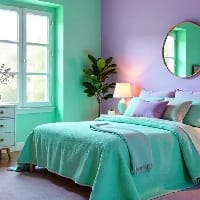
Your living room is one of the most important spaces in your home. It is where you welcome guests, spend time with family, relax after a long day, and create lasting memories. While furniture, lighting, and décor all contribute to the overall appearance of the space, your walls play an equally important role. Choosing the right texture paint for living room walls can completely transform an ordinary interior into a stylish and visually interesting space.
Unlike plain wall finishes, textured surfaces add depth, dimension, and character. Whether you prefer a subtle and sophisticated look or want to create a bold feature wall, there are many ways to use texture effectively. The right combination of colours, finishes, lighting, and wall designs can make your living room feel warmer, larger, more luxurious, or more contemporary.
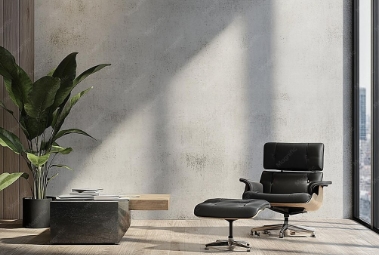
Why Choose Texture Paint for Living Room Walls?
A plain painted wall can look clean and attractive, but textured walls offer something extra. They create visual depth and give your interiors a more distinctive personality. A well-designed texture paint for living room can also become the focal point of the entire space.
Texture finishes are especially useful for homeowners who want to add character without overcrowding the room with excessive furniture or decorative items. Instead of relying only on wall art, the wall itself becomes part of the interior design.
Some major benefits include:
Adds depth and dimension to walls
Creates a premium and decorative appearance
Helps create attractive accent walls
Works with modern, traditional, and contemporary interiors
Can complement different lighting styles
Offers a wide range of design possibilities
The key is choosing a texture that matches the size, colour scheme, and overall style of your living room.
Popular Texture Ideas for Living Rooms
There is no single texture design that works for every home. The best choice depends on your interior style and personal preference.
Subtle Textured Finish
A subtle texture is ideal for homeowners who prefer an elegant and minimal look. These finishes add slight depth to the wall without becoming too dramatic.
Soft textures work particularly well with neutral shades such as beige, cream, warm grey, and off-white. They can make the living room look sophisticated while keeping the overall design calm and balanced.
Feature Wall Texture
Creating one feature wall is one of the most popular ways to use texture paint for living room interiors. Instead of applying an elaborate finish to every wall, you can select one wall as the main focal point.
The wall behind the sofa, television unit, or seating area is often a good choice. A textured feature wall can add visual interest while the remaining walls stay simple.
This approach is especially useful in smaller living rooms because excessive texture on every wall can sometimes make the space feel visually busy.
Stone-Inspired Texture
Stone-inspired finishes can give your living room a natural and premium appearance. These textures work beautifully in homes with wooden furniture, warm lighting, and earthy colour palettes.
You can combine stone-like textures with shades of grey, beige, brown, or muted green to create a balanced and natural atmosphere.
Metallic or Shimmer Finish
For a more luxurious appearance, metallic and subtle shimmer textures can create an eye-catching effect. These finishes reflect light differently throughout the day and can add a premium touch to the room.
However, moderation is important. A metallic texture is usually most effective on one accent wall rather than throughout the entire living room.
Choosing the Right Colour for Textured Walls
Colour selection is just as important as the texture itself. A beautiful design may lose its impact if the colour does not work with the furniture, flooring, and lighting.
For smaller spaces, lighter shades are generally a safer choice. Soft beige, warm white, light grey, and pastel shades can help create an open and comfortable feeling.
Darker colours can work well in larger rooms or on a feature wall. Deep blue, charcoal grey, forest green, and rich brown tones can create a bold and dramatic appearance when balanced with appropriate lighting.
Before finalising the design, consider:
Natural light entering the room
Artificial lighting placement
Furniture colours
Flooring materials
Curtains and upholstery
The overall size of the room
A sample test on a small section of the wall can help you understand how the colour and texture will actually look under your home's lighting conditions.
How Stainer Paint Can Complement Textured Interiors
While wall textures are mainly used to create decorative effects, stainer paint can be useful when working with wooden surfaces and other complementary design elements within the living room.
Wooden furniture, wall panels, decorative frames, and certain interior features can benefit from finishes that enhance their natural appearance. When combined carefully, textured walls and stained wooden elements can create a warm and visually balanced interior.
For example, a beige or grey textured wall can look attractive alongside warm-toned wooden furniture. Similarly, a natural wood finish can soften the appearance of a bold textured feature wall.
The goal should be to create harmony between the walls and other interior materials rather than making every element compete for attention.
Texture Paint and Lighting: Why the Combination Matters
Lighting has a major impact on how textures appear. The same wall can look completely different under natural daylight and artificial lighting.
Wall-mounted lights, spotlights, and indirect lighting can highlight the depth and patterns of a textured surface. This is particularly effective when you want the texture to become a major design feature.
Before choosing a complex texture paint for living room design, think about where the lights will be placed. A highly detailed texture may look more dramatic when illuminated from specific angles.
Warm lighting usually works well with earthy textures, beige tones, and wooden elements. Cooler lighting can complement modern grey, white, and metallic finishes.
How to Choose Texture Based on Living Room Size
The size of your room should influence your design decision.
Small Living Rooms
For compact spaces, choose subtle textures and lighter shades. Avoid applying heavy patterns to every wall because this can make the room feel crowded.
A single textured accent wall is usually enough to create visual interest.
Medium-Sized Living Rooms
Medium-sized rooms offer more flexibility. You can experiment with stronger textures while maintaining a balanced colour palette.
Feature walls, geometric patterns, and stone-inspired designs can work well depending on the furniture arrangement.
Large Living Rooms
Larger spaces can handle more dramatic designs. Darker colours, bold textures, and premium decorative finishes can help make a large room feel warmer and more visually engaging.
However, maintaining consistency between different walls and interior elements is still important.
Common Mistakes to Avoid
Texture can enhance your living room, but poor planning can produce the opposite result.
One common mistake is using too many different patterns in the same space. If your walls are heavily textured, keep furniture and decorative elements relatively simple.
Another mistake is ignoring lighting. A texture that looks attractive in a showroom may appear completely different inside your home.
Choosing colours without considering furniture and flooring can also create a disconnected appearance. Always look at the complete interior design rather than selecting the wall finish separately.
Finally, avoid following trends blindly. The best texture is one that suits your home's architecture, room size, and personal style.
Creating a Balanced and Stylish Living Room
The best texture paint for living room designs are not necessarily the boldest. Often, a subtle texture combined with the right colour palette and lighting creates a more timeless result.
Start by deciding which wall should attract attention. Then choose a texture that supports your overall interior theme. Balance bold surfaces with simpler furniture and accessories.
For homeowners looking to explore decorative wall finishes and colour possibilities, JKMaxx Paints can be considered when planning a living room transformation.
Final Thoughts
A carefully selected texture paint for living room can add depth, personality, and visual appeal to your interiors. From subtle finishes to bold feature walls, there are numerous ways to create a space that reflects your style.
The most important factor is balance. Consider the size of your room, available lighting, furniture, colour palette, and other materials before making a final decision. You can also use complementary elements such as wooden finishes and stainer paint to create a cohesive interior design.
With thoughtful planning, the right texture can turn an ordinary living room wall into one of the most attractive features of your home.