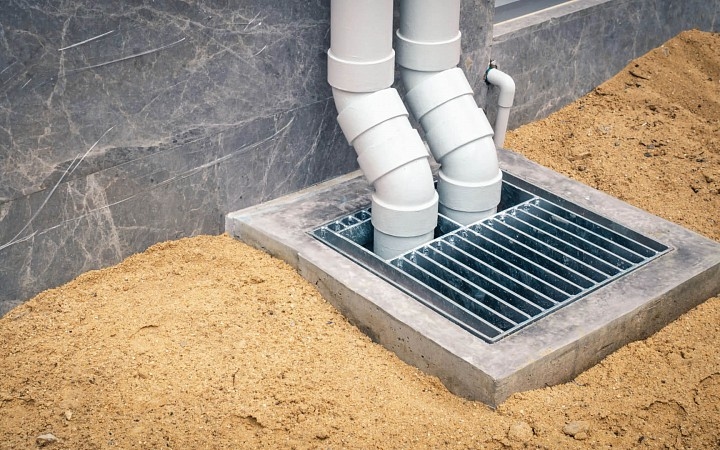
Proper drainage is one of the most important yet often overlooked aspects of property maintenance. Without an effective system in place, water can collect around buildings, damage landscapes, and weaken structural foundations over time. Drainage installation is designed to manage excess water and redirect it safely away from your property. Understanding how drainage systems work and why they matter can help homeowners and property managers make informed decisions.
In this blog, we will explore what drainage installation is, how it works, the types of drainage systems available, and how proper installation improves overall property drainage. This information will help you protect your investment and maintain a healthier, safer outdoor environment.
Understanding Drainage Installation
Drainage installation refers to the process of designing and installing systems that control the flow of surface and underground water. These systems are built to prevent water accumulation in unwanted areas such as lawns, basements, driveways, and building foundations. The goal is to guide water toward designated outlets where it can drain naturally or be absorbed safely.
A professionally installed drainage system takes into account soil type, land slope, rainfall patterns, and property layout. Each of these factors plays a key role in determining how water moves across and beneath the surface. When drainage is properly planned, it works quietly in the background to prevent long-term damage and water-related issues.
Why Proper Property Drainage Matters
Poor drainage can cause a wide range of problems that affect both the appearance and structural integrity of a property. Standing water can lead to soil erosion, plant damage, and unpleasant odors. Over time, excess moisture can seep into foundations and walls, leading to cracks, mold growth, and expensive repairs.
Good drainage helps maintain balance in your outdoor spaces. It keeps soil stable, protects buildings, and ensures water does not linger where it should not. This is especially important in areas that experience frequent rain or heavy storms, where unmanaged water can quickly become a serious concern.
Common Types of Drainage Systems
There are several types of drainage systems used to manage water effectively. Each system is designed to address specific drainage challenges depending on the property’s needs. Some systems focus on surface water, while others handle groundwater below the soil.
Common drainage solutions include surface drains, French drains, channel drains, and downspout extensions. These systems are often combined to create a complete drainage plan that protects the entire property. Choosing the right option requires a proper site assessment to ensure long-term effectiveness.
How Drainage Installation Improves Water Flow
Drainage installation improves water flow by creating clear paths for excess water to travel away from critical areas. Instead of allowing water to pool or soak into unwanted areas, drainage systems guide it toward safe exit points. This controlled movement prevents soil saturation and reduces pressure on foundations.
With proper water flow, landscaping remains healthier and more stable. Grass, plants, and trees receive the right amount of moisture without being overwhelmed. Over time, this balanced drainage supports better soil quality and reduces maintenance needs across the property.
Benefits of Professional Drainage Installation
A professionally installed drainage system offers long-term benefits that go beyond simple water control. Expert installers understand how to design systems that blend with the property while providing maximum protection. Their experience helps avoid common mistakes that can lead to system failure.
Some key benefits include:
Reduced risk of foundation damage and soil erosion
Improved landscape health and appearance
Prevention of standing water and flooding
Increased property value and longevity
These benefits make drainage installation a smart investment for both residential and commercial properties.
Signs Your Property Needs Drainage Installation
Many property owners are unsure when drainage installation is necessary. There are several warning signs that indicate water is not being managed properly. Ignoring these signs can lead to more serious problems over time.
Common indicators include water pooling after rainfall, soggy lawns, cracks in foundations, and water stains in basements or crawl spaces. If these issues appear regularly, it is often a sign that the existing drainage system is inadequate or outdated.
The Role of Drainage Installation in Property Protection
Drainage installation plays a major role in protecting the structural and visual elements of a property. By redirecting water away from buildings, it reduces moisture-related damage that can weaken materials over time. This protection helps extend the life of foundations, walkways, and outdoor features.
In areas where heavy rainfall is common, services like Drainage Installation Brentwood focus on creating systems that handle high water volumes efficiently. These systems are designed to perform consistently, even during extreme weather conditions, ensuring reliable property protection year-round.
Long-Term Value of Proper Drainage Systems
Installing a drainage system is not just a short-term fix but a long-term solution. When properly maintained, drainage systems continue to function effectively for many years. This reduces the need for frequent repairs and minimizes unexpected water damage costs.
Over time, good drainage contributes to lower maintenance expenses and improved property usability. Outdoor spaces remain accessible and attractive, even after heavy rain. This long-term value makes drainage installation a practical and worthwhile improvement.
Conclusion
Drainage installation is an essential part of maintaining a safe, functional, and healthy property. By managing excess water and directing it away from critical areas, drainage systems prevent damage, protect landscapes, and improve overall property performance. Understanding how these systems work helps property owners make informed decisions and avoid costly water-related problems.
Whether you are dealing with minor pooling or ongoing water damage concerns, investing in proper drainage installation can make a significant difference. With the right system in place, your property remains protected, stable, and visually appealing for years to come.