
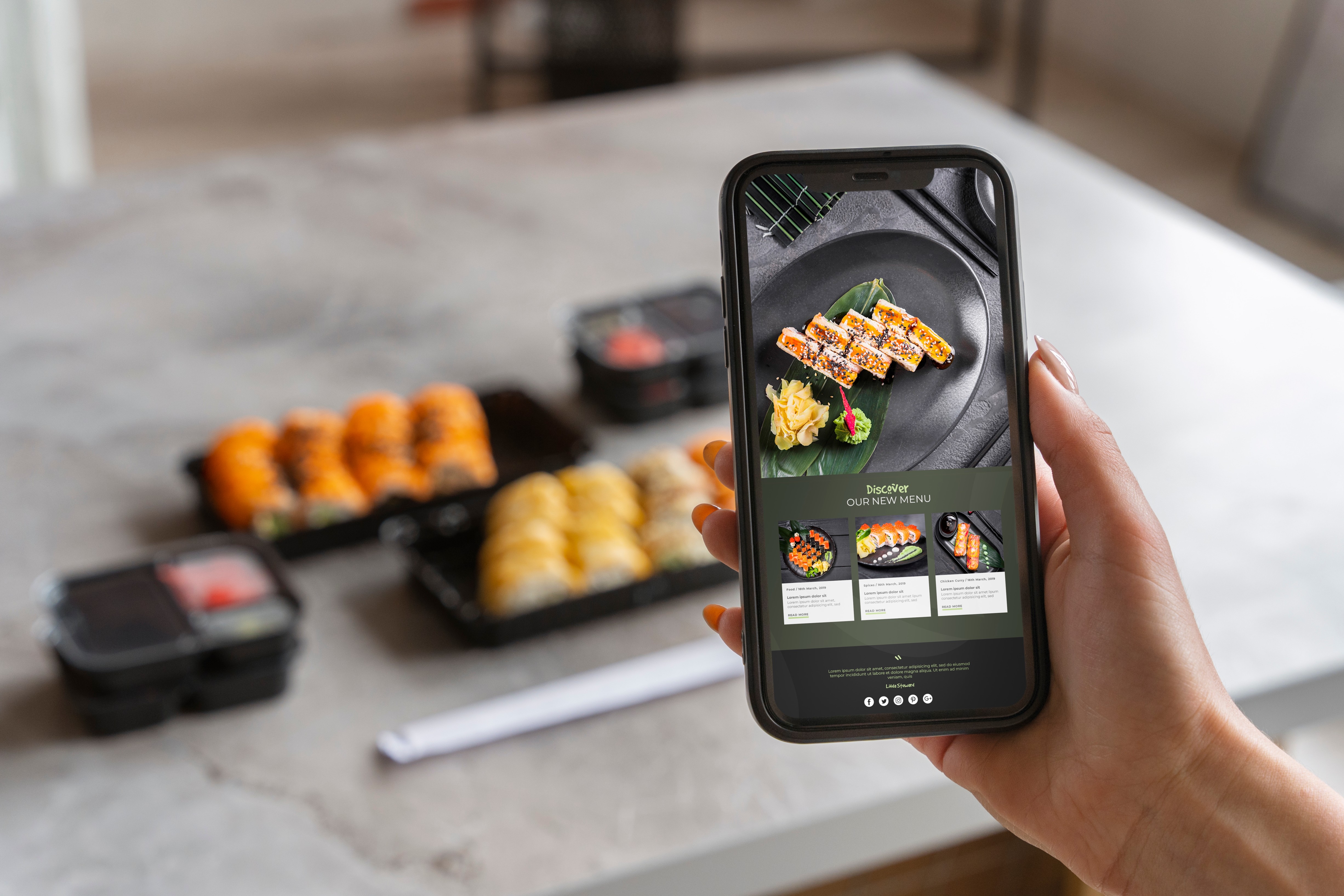
The food delivery market looks irresistible from the outside. Demand is steady, customers are comfortable ordering from their phones, and new niches keep appearing. But many startups jump in with excitement and little preparation, then run into problems with costs, logistics, and customer acquisition that could have been avoided.
This guide covers what founders should understand before writing a single line of code, from choosing a business model to planning for life after launch.
Why Choosing the Right Partner Matters from Day One
One of the earliest decisions you will make is who builds your product. Searching for the best food delivery app development company is not about finding the cheapest quote or the flashiest website. It is about finding a team that understands your business model, asks smart questions, and is honest about what is realistic within your budget and timeline.
A strong partner will challenge your assumptions, suggest which features to postpone, and explain the trade-offs between speed and customization. Review their portfolio, speak with past clients, and ask how they handle post-launch support. The partner you pick will shape your product quality, your costs, and your ability to adapt as the market changes.
Define Your Business Model First
Technology should follow strategy, not the other way around. Before development starts, decide how your business will actually work.
Aggregator model: You list many restaurants on one platform and earn commission on each order. This offers scale but requires strong restaurant onboarding and driver management.
Single-restaurant or cloud kitchen model: You sell your own food through your own app. Control is higher, but order volume depends on your brand.
Hybrid model: You combine marketplace listings with in-house kitchens or delivery fleets.
Your model determines your features, your revenue streams, and your operating costs. A startup that skips this step often builds an app that looks polished but does not match how the business really earns money.
Understand Your Market and Competition
Large players already dominate many cities, so a “me too” product rarely succeeds. Study what competitors do well and, more importantly, where customers are unhappy. Slow deliveries, hidden fees, limited choices, and poor support are common complaints.
Look for a gap you can own. It might be a specific cuisine, a neighborhood with poor coverage, healthy meal plans, late-night orders, or corporate catering. Talk to potential customers and restaurant owners before you build. Even a handful of honest conversations can save you months of wasted effort.
Plan the Core Features Carefully
A complete platform usually consists of four connected products:
Customer app: Registration, menu browsing, search and filters, cart, secure payments, and order history.
Restaurant panel: Menu control, order acceptance, and sales reports.
Delivery partner app: Order assignment, navigation, and earnings tracking.
Admin dashboard: User management, commissions, promotions, and analytics.
Real-time tracking, push notifications, and ratings are now standard expectations. Extras such as loyalty programs, scheduled orders, and in-app chat can wait until you have real users telling you what they want. Many startups lose time and money by building every idea at once.
Start with an MVP
A minimum viable product contains only the features needed to test your idea in the real world. It lets you launch sooner, gather feedback, and improve based on facts instead of guesses.
A good MVP often focuses on a single city or area, a limited set of restaurants, and a simple payment and delivery flow. If customers keep coming back, you have evidence to justify further investment. If they do not, you have learned something valuable at a fraction of the cost.
Decide Between Custom Build and Ready-Made Options
Startups generally have two paths. Custom food delivery app development gives you full control over design, features, and code ownership, but it takes longer and costs more. A ready-made food delivery app development solution, often delivered as a white-label product, can be launched in weeks and lets you validate demand with less risk.
Many founders combine the two, starting with a customizable base and adding unique features as revenue grows. The right choice depends on how unique your idea is, how fast you need to move, and how much capital you have.
Budget Beyond the Build
The development invoice is only part of the picture. Plan for:
Maintenance and updates: Often around 15–20% of the initial cost each year.
Cloud hosting: Expenses rise as orders increase.
Third-party services: Maps, SMS, and payment gateways usually charge per use.
Marketing and promotions: Acquiring customers, restaurants, and drivers takes sustained spending.
Legal and compliance: Food safety rules, data privacy laws, and business registration vary by region.
Founders who budget only for development often run out of money right when the product needs to grow.
Choose the Right Type of Service Provider
Different businesses need different expertise. If your model blends ordering with table reservations or pre-booked meals, a food delivery booking app development company may suit you better than a general vendor. If your focus is pickups and scheduling, a food booking app development company can offer more relevant experience.
For broader needs, food app development services typically cover consulting, design, development, testing, launch, and ongoing maintenance, which is useful when your requirements are likely to evolve. And if you plan to compete in busy urban areas, look for on demand food delivery app development services. These depend on real-time dispatch, smart order routing, and a backend that can handle sudden traffic spikes during lunch and dinner rushes.
Do Not Underestimate Logistics
The app is only the interface. The real challenge is getting hot food to the customer on time. Decide early whether you will use your own drivers, independent contractors, or third-party logistics partners. Define delivery zones, estimated delivery times, and how you will handle delays, cancellations, and refunds.
Smooth operations earn repeat customers. A beautiful app cannot make up for cold food and late arrivals.
Prioritize Security and Compliance
Your app will handle personal details, location data, and payment information. Strong encryption, secure payment gateways, and clear privacy policies are essential. Customers who lose trust in your platform rarely return, and regulators can impose heavy penalties for data mishandling.
Plan Your Launch and Growth Strategy
Great products still need an audience. Before launch, build a waitlist, onboard a solid group of restaurants, and prepare introductory offers. After launch, track key numbers such as order frequency, average order value, delivery time, and customer retention. Use that data to refine your menu partners, pricing, and promotions.
Final Thoughts
Building a food delivery app is as much about operations and strategy as it is about technology. Startups that succeed define a clear business model, validate their idea with an MVP, budget realistically, and choose partners who genuinely understand the industry.
Take your time with the early decisions, stay close to your customers, and treat your app as a product that will keep evolving. With careful preparation, your startup can enter the market confidently and build something that lasts.


