
If you are planning a trip to the United Kingdom, exploring beyond the usual tourist spots can truly transform your experience. While royal palaces and medieval castles often steal the spotlight, some of the most vibrant, architecturally stunning hubs of British culture are hiding in plain sight: the historic market halls.
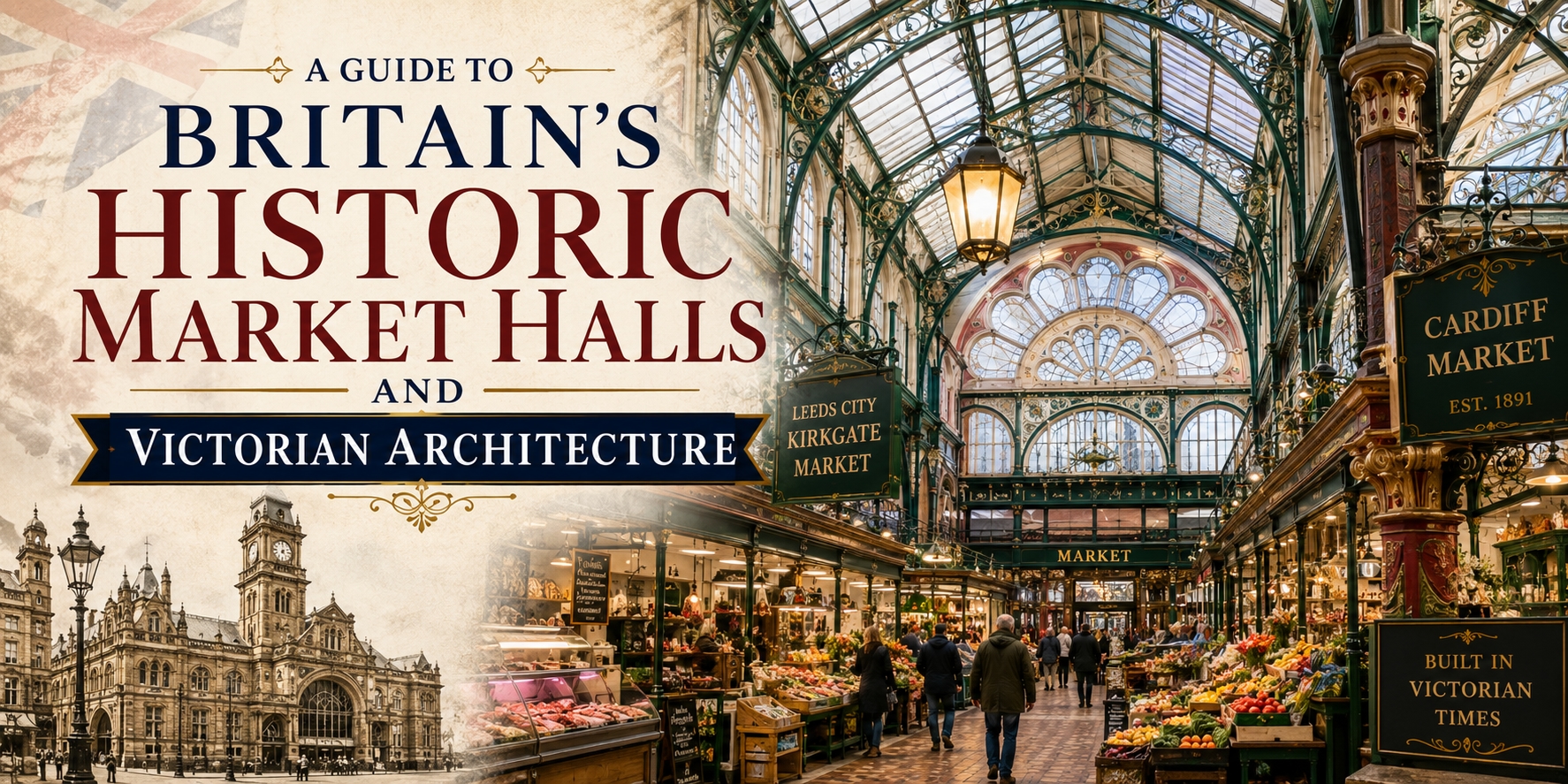
Steeped in local character, these grand Victorian and Edwardian buildings are more than just places to shop—they are living museums where history, community, and incredible food collide. Whether you are an architecture lover, a foodie, or simply looking to soak up authentic local life, here is your ultimate guide to Britain's finest historic market halls.
Why Britain's Market Halls are Architectural Masterpieces
During the Victorian era, rapid industrialization and urban growth led to a boom in public architecture. City planners wanted civic spaces that were not only functional but also grand and inspiring. Iron and glass became the signature materials of the time, allowing engineers to build vast, light-filled halls that felt almost cathedral-like.
Walking into a 19th-century market hall today, you will often notice:
Wrought Iron Frameworks: Intricate, curved metalwork that showcases the engineering prowess of the Industrial Revolution.
High Glass Vaults: Designed to flood bustling trading floors with natural daylight before electricity was commonplace.
Ornate Stonework: Victorian facades often feature detailed carvings, clock towers, and civic crests that reflect local pride.
Must-Visit Historic Market Halls Across the UK
To help you plan your itinerary, here are some of the most remarkable market halls you can visit across Britain today.
1. Leadenhall Market, London
Tucked away in the financial district of London, Leadenhall Market is a stunning example of Victorian grandeur. Dating back to the 14th century, the current structure was designed in 1881 by Sir Horace Jones (who also designed Tower Bridge). With its striking cobbled walkways, vibrant green and maroon paintwork, and ornate glass roof, it is so picturesque that it has famously featured in films like Harry Potter. Today, it is packed with boutique shops, cheesemongers, and cozy pubs.
2. Leeds Kirkgate Market, West Yorkshire
As one of the largest indoor markets in Europe, Leeds Kirkgate is a cathedral of commerce. Opened in 1857, its magnificent wrought-iron arches and bright halls set the standard for Victorian civic architecture. It holds a special place in history as the birthplace of Marks & Spencer, which started here as a humble penny bazaar in 1884. Today, it remains a bustling hub for fresh local produce, street food, and textiles.
3. St. George’s Market, Belfast
If you cross over to Northern Ireland, St. George’s Market in Belfast is an absolute must-see. Built between 1890 and 1896, it is one of Belfast's oldest attractions and the last surviving Victorian Friday market in the city. Famed for its lively weekend atmosphere, live music, and incredible selection of local crafts and artisanal foods, its brick facade and timber-and-iron roof offer a warm, authentic welcome.
4. Cardiff Market, Wales
Located right in the heart of the Welsh capital, Cardiff Market operates inside a magnificent Victorian building with a grand glass roof that dates back to the late 19th century. Spanning two floors, it offers a fascinating mix of traditional Welsh cakes, fresh seafood, vinyl records, and hardware stores. It is a wonderful spot to experience everyday local life wrapped in stunning historical architecture.
Planning Your British Market Adventure
Getting ready to experience these incredible sights firsthand takes a little preparation. Before you book your flights or map out your foodie itinerary, making sure your travel documentation is fully sorted is essential. If you want a smooth and stress-free journey, you can apply for your UK travel documentation in minutes with the help of experienced visa consultants who offer round-the-clock assistance and a simplified application form.
Tips for Visiting Historic Markets
Visiting these living landmarks is easy, but a few quick tips will help you make the most of your trip:
Go Early for the Best Atmosphere: Mornings are when the markets are most active, especially food stalls selling fresh local breakfast treats.
Bring Cash: While most modern stalls accept card payments, having a bit of cash handy is great for small independent vendors or quick snacks.
Look Up: Modern visitors often stare straight ahead at the stalls, but the true beauty of these buildings lies in the ironwork and roof structures above.
Ready to Explore Britain?
From the bustling aisles of Leeds to the charming cobbled lanes of London, Britain's historic market halls offer an unforgettable glimpse into the nation's architectural and cultural heritage. Pack your bags, keep your paperwork organized, and get ready for an unforgettable British adventure!




